Energy Tea Timing: How to Use Green Tea Without Disrupting Sleep






The afternoon slump creates a familiar trap. You reach for tea to stay useful through the rest of the day, then wonder why sleep feels out of reach that night. The clock matters, but so do the serving size, the tea’s actual caffeine content, your bedtime, and your own response.
Laicuherb Pure Energy & Refreshing Tea is described as a green-tea blend with lotus leaf, cassia seed, moringa, and mulberry leaf. Because green tea contains caffeine, Pure Tea should be treated as a caffeinated beverage rather than a caffeine-free herbal tea. The product page does not provide a caffeine amount per sachet, so no precise cutoff can be calculated from the label alone.
This guide focuses on the useful question: how can you place green tea earlier in the day so it supports an alertness ritual without quietly taking over the night?
Table of Contents
- → Quick Answer: Timing Depends on Caffeine Sensitivity
- → Confirming That Pure Contains Green Tea
- → How Caffeine Half-Life Affects Evening Use
- → Morning vs Afternoon: A Practical Timing Framework
- → Food, Hydration, and Stomach Sensitivity
- → How to Track Your Personal Response
- → Who Should Limit Caffeine or Ask a Clinician
- → FAQs
- → Try Pure Energy & Refreshing Tea from Laicuherb
Quick Answer: Timing Depends on Caffeine Sensitivity
There is no single cutoff time that protects everyone’s sleep. A practical starting point is to finish Pure Tea by early-to-mid afternoon or at least six hours before your usual bedtime, then adjust earlier if you are sensitive to caffeine or notice lighter, shorter, or more fragmented sleep. This is a trial point, not a guarantee.
Pure Tea contains green tea alongside lotus leaf, cassia seed, moringa, and mulberry leaf. Since the caffeine amount per serving is not provided, treat the cup like other caffeinated green tea. Caffeine can remain active for several hours, and sensitivity varies with metabolism, genetics, medications, pregnancy, habitual intake, and sleep schedule.
The most useful rule is not “tea is safe before a certain hour.” It is “give your sleep enough distance from a caffeinated drink, then use your own sleep data to refine the timing.”
Confirming That Pure Contains Green Tea
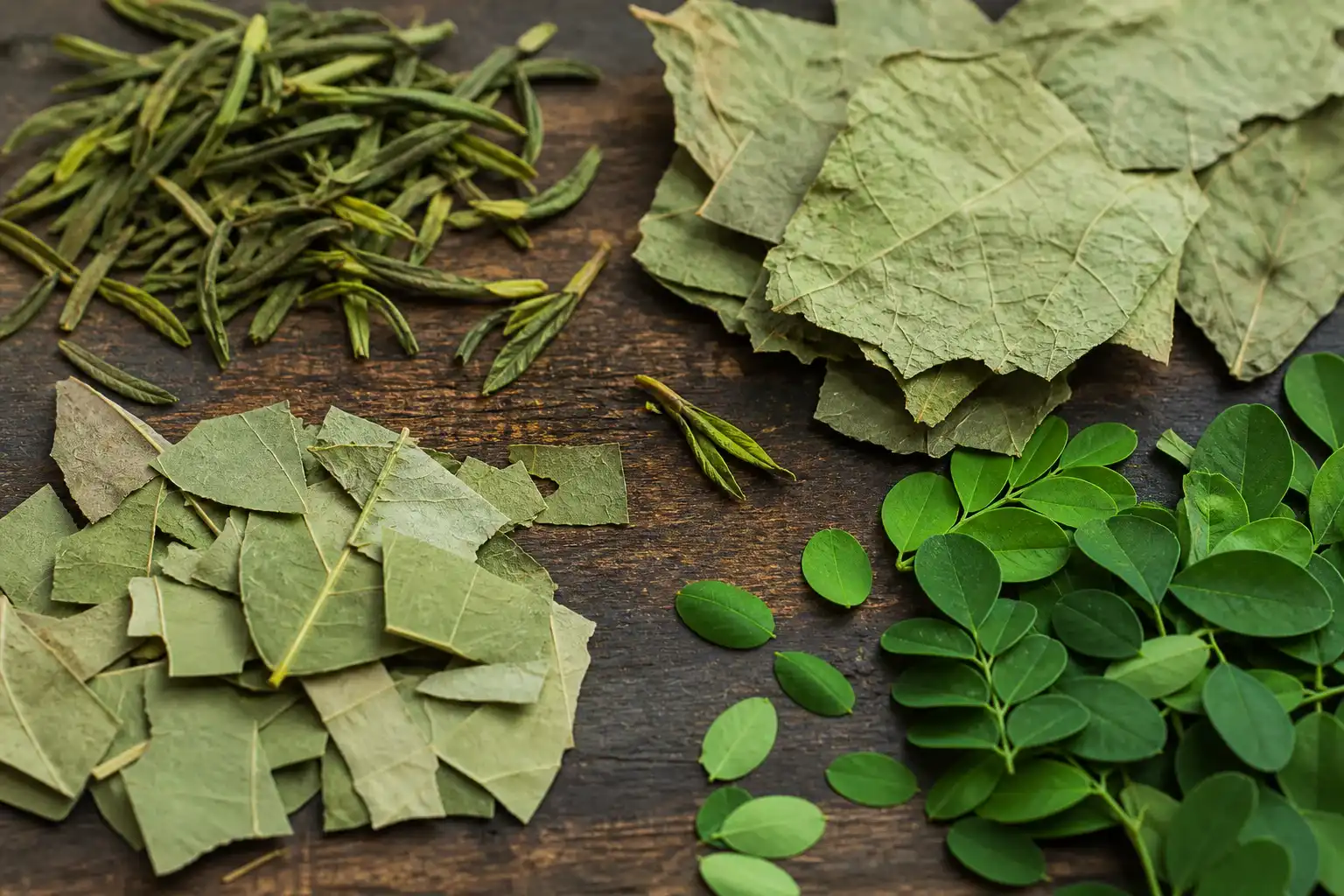
Start with the label. Laicuherb Pure Tea · Energy & Refreshing is described as containing five ingredients: green tea, lotus leaf, cassia seed, moringa, and mulberry leaf. The supplied pack format is 3 g sachets, with seven sachets per pack.
That means Pure Tea should not be marketed as caffeine-free. Green tea is a caffeine source, although the amount in a cup can vary with the leaf, serving size, water temperature, steeping time, and preparation. The product page does not provide a specific caffeine amount, so this article does not invent one.
The product is described as a brewed beverage with supplied COI, COA, HALAL, ISO-FSSC, HACCP, and SGS documentation. Those records may support quality and traceability. They do not prove a metabolism effect, guarantee alertness, or determine whether the caffeine suits your sleep.
Usage Note: Brew and drink the tea as directed. Do not use it externally, add it to cooking, or treat it as a medicine.
How Caffeine Half-Life Affects Evening Use
Caffeine half-life describes how long it takes the body to eliminate about half of the caffeine in the system. The exact time varies. A general range often cited for healthy adults is several hours, but the range is not a personal measurement.
Sleep research gives the timing question more weight. In a controlled trial, 400 mg of caffeine taken at bedtime, three hours before bedtime, or six hours before bedtime reduced sleep compared with placebo; the six-hour dose still affected total sleep time [3]. That study used a defined 400 mg dose, not one sachet of Pure Tea. It shows why late caffeine deserves attention, not that every green-tea serving causes the same result.
A 4 p.m. cup may still matter at 10 or 11 p.m., especially for a person who metabolizes caffeine slowly or already has fragile sleep. Someone else may notice little effect. Half-life is a useful concept, not a permission slip for a universal cutoff.
Morning vs Afternoon: A Practical Timing Framework
Morning is the simplest default window for a caffeinated energy tea because it leaves more time before bed. If you wake at 7 a.m. and sleep at 10:30 p.m., a morning cup gives the body far more clearance time than an evening cup. That does not make morning tea automatically better for every person, but it is a sensible place to begin.
Early afternoon can work for some people, particularly when bedtime is later and caffeine sensitivity is low. The closer the drink moves toward bedtime, the more cautious the experiment should become. A 4 p.m. cup may be too late for one person and uneventful for another.
If you sleep at 10 p.m., try finishing Pure Tea by mid-afternoon first. If you sleep at midnight, the same clock time may not be relevant, but a six-hour buffer is still a useful starting point. Shift work, irregular schedules, anxiety, pregnancy, and medicines can change the picture. The point is not to find a magic hour. It is to place the tea far enough from sleep that you can judge its effect without guessing.

Food, Hydration, and Stomach Sensitivity
Some people tolerate caffeinated tea poorly on an empty stomach. They may notice nausea, jitteriness, reflux, or stomach discomfort. Others have no problem at all. If Pure Tea feels harsh before breakfast, try a smaller serving or drink it with food rather than forcing the routine.
Tea contributes fluid for most healthy adults, but it should not replace the rest of your daily fluid intake. Caffeine’s fluid effects depend on dose and personal response; ordinary moderate tea intake is not a reason to treat the beverage as automatically dehydrating. Water still belongs in the day.
The lotus leaf, cassia seed, moringa, and mulberry leaf are part of the supplied blend. Traditional use or ingredient reputation does not prove that the finished tea prevents stomach upset or improves digestion for every person. Start with tolerance, not marketing language.
How to Track Your Personal Response
A short sleep-and-caffeine log can answer more than a generic cutoff rule. Record the time you drink Pure Tea, how much you drink, whether you also had coffee or another caffeinated product, how quickly you fell asleep, how often you woke, and how rested you felt in the morning.
Keep the experiment simple for one to two weeks. Change one variable at a time where possible. If a late cup is followed by poor sleep several times, move the cutoff earlier. If sleep is unchanged, you still have useful information about your own response. The product page, ingredient list, and certification documents can help if you need to discuss the tea with a pharmacist or clinician. Product questions can be sent to hello@laicuherb.com.
Who Should Limit Caffeine or Ask a Clinician
Pregnant or breastfeeding people should ask a doctor, midwife, or other qualified clinician about caffeine intake rather than applying a generic blog cutoff. Pure Tea contains green tea, so it is not caffeine-free. This article does not set an individualized pregnancy or breastfeeding dose.
People with anxiety that worsens with stimulants, heart-rhythm concerns, insomnia, or known caffeine sensitivity may need extra caution. Ask a clinician or pharmacist if you take medicines that may interact with caffeine or if you have been told to limit stimulants. This may include certain stimulant medicines, thyroid medicines, or other prescriptions depending on the person and dose.
The same caution applies to adolescents and anyone with a health condition for which caffeine has already been restricted. Persistent palpitations, chest pain, severe anxiety, fainting, or repeated sleep disruption should not be managed by shifting tea times alone.
Conclusion
Pure Energy & Refreshing Tea contains genuine green tea, so timing matters. Its supplied blend also includes lotus leaf, cassia seed, moringa, and mulberry leaf, but the product page does not provide a caffeine amount per serving. That makes a personalized cutoff more honest than a confident number.
Morning is the easiest starting window. Early afternoon may work for some people. A six-hour distance from bedtime is a practical experiment, not a guarantee. Track sleep, account for other caffeine, and move the cutoff earlier if your nights become lighter or shorter. Quality documents can explain how a tea is made. They cannot predict how caffeine will affect your sleep. That answer comes from the label, the clock, and your own response.
Frequently Asked Questions
1. What time should I stop drinking an energy tea like Pure Tea to protect my sleep?
There is no single cutoff for everyone. Start by finishing Pure Tea in the early-to-mid afternoon or at least six hours before your usual bedtime, then move earlier if you are caffeine-sensitive or notice worse sleep. The six-hour starting point is based on caffeine sleep research, not a guarantee that one Pure Tea sachet has the same effect as the studied dose [3].
2. Is Pure Tea safe to drink during pregnancy?
Pure Tea contains green tea and is not caffeine-free. This article does not provide an individualized pregnancy amount. If you are pregnant or breastfeeding, ask your doctor, midwife, or another qualified clinician what caffeine level is appropriate for your situation.
3. Can I drink this energy tea on an empty stomach, and is it okay for daily use?
Some people experience more stomach discomfort or jitteriness when they drink caffeine without food. Pairing the tea with a meal, choosing a smaller serving, or moving it earlier may help you assess tolerance. Daily use depends on your total caffeine intake, sleep, symptoms, medicines, and individual health context. Ongoing sleep disruption, palpitations, severe anxiety, or stomach symptoms are reasons to reduce or pause the tea and ask a healthcare professional.
Featured Formula: Cycle Energy Phase
Try Pure Energy & Refreshing Tea from Laicuherb
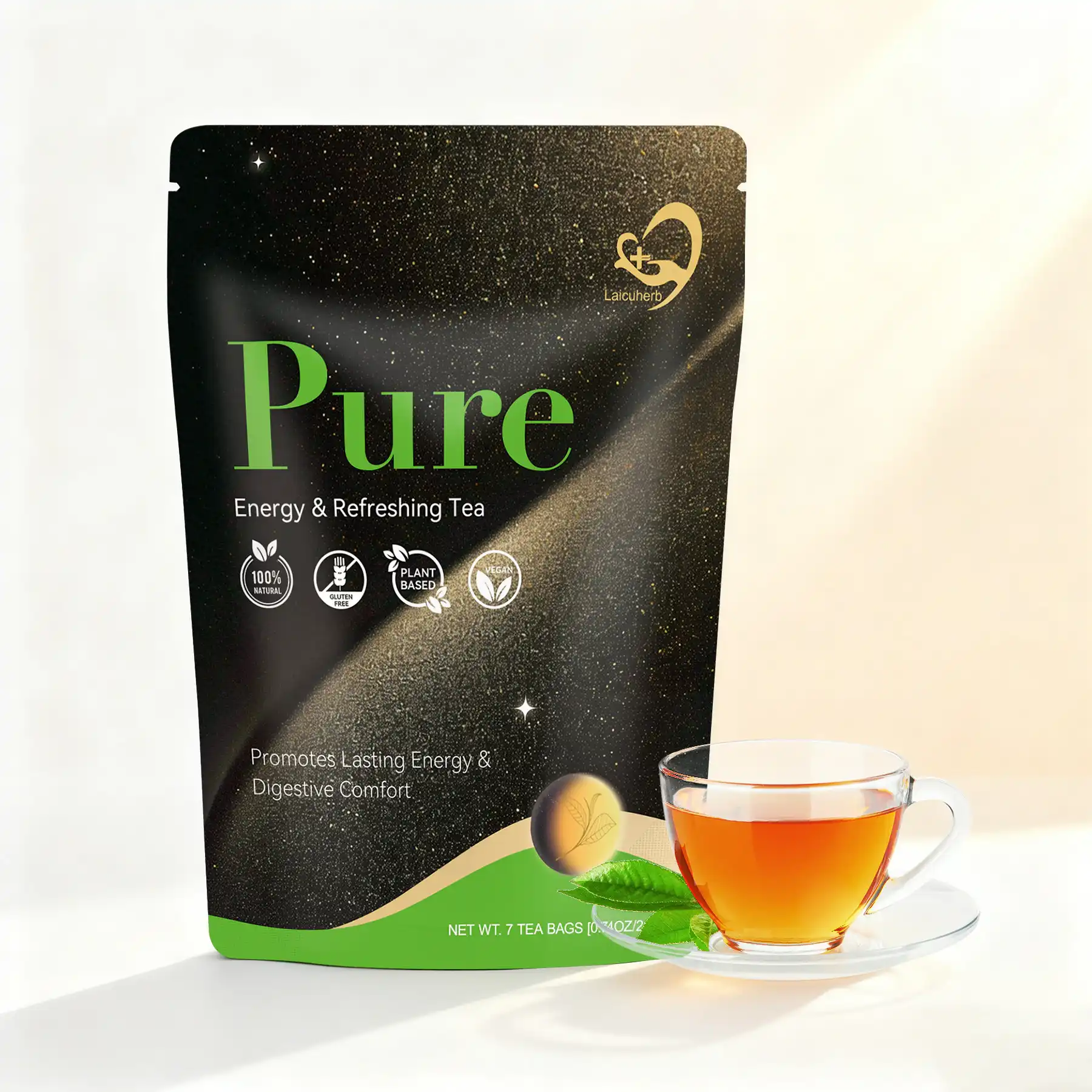
To find your own best timing, review the full Pure Energy & Refreshing Tea ingredient list, brewing details, serving format, and supplied certifications on the product page. Pure Tea is also described as part of Laicuherb’s Cycle Tea Set, alongside other phase-focused blends.

Dr. Sarah Jenkins, MD, FACOG
Dr. Sarah Jenkins is a Board-Certified OB/GYN specializing in female hormonal wellness, sleep synchronization, and the integration of botanical energy cycles with modern sleep hygiene. Dr. Jenkins verified this guide for absolute physiological safety and timing precision.
References
- Mayo Clinic. Caffeine: How much is too much? Mayo Foundation for Medical Education and Research.
- U.S. Food and Drug Administration. Spilling the Beans: How Much Caffeine Is Too Much?
- Drake, C., Roehrs, T., Shambroom, J., & Roth, T. (2013). Caffeine effects on sleep taken 0, 3, or 6 hours before going to bed. Journal of Clinical Sleep Medicine, 9(11), 1195–1200.
- Nawrot, P., Jordan, S., Eastwood, J., Rotstein, J., Hugenholtz, A., & Feeley, M. (2003). Effects of caffeine on human health. Food Additives and Contaminants, 20(1), 1–30.
- Harvard T.H. Chan School of Public Health, Department of Nutrition. Caffeine.
- Institute of Medicine (US) Committee on Military Nutrition Research. Caffeine for the Sustainment of Mental Task Performance: Formulations for Military Operations.