What Are the Top China Nootropic Herbal Teas?






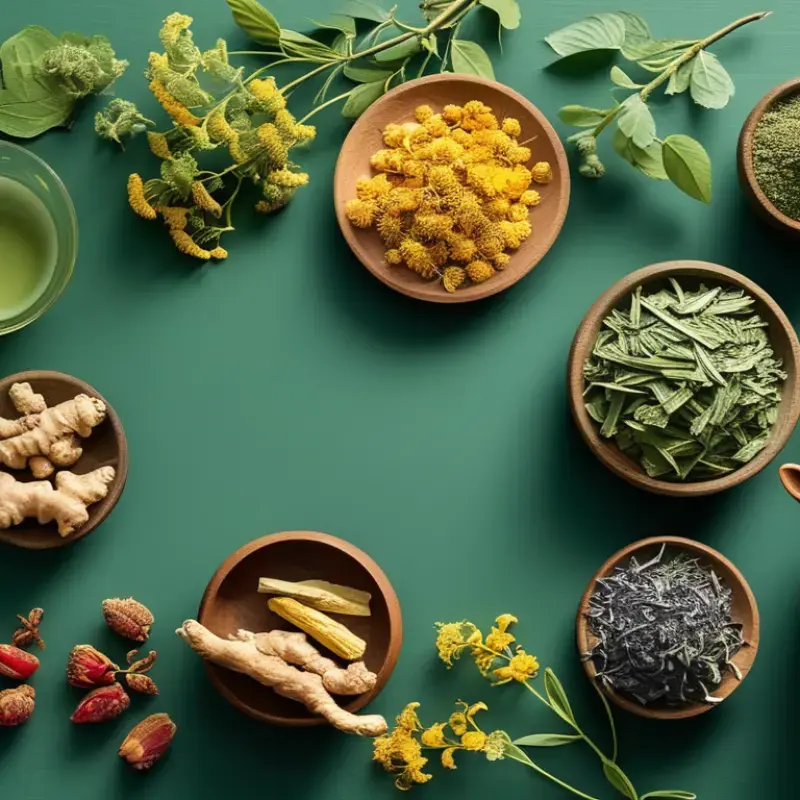
China’s long-standing tea culture includes a pretty wide variety of herbs and ingredients that are believed to help with alertness, memory, staying calm, and mental stamina. In this rundown, I want to share some of the top nootropic herbal teas from China, looking at things in a practical, real-world way—and with a bit of healthy skepticism here and there. We’re talking about teas with green tea, ginkgo, schisandra, goji berries, chrysanthemum, ginger, and jujube.
Now, here’s the thing—these categories aren’t set in stone. Some mixes do have caffeine, while others are naturally caffeine-free. For example, green tea might boost your alertness thanks to caffeine and L-theanine, but everyone reacts differently. Ginkgo has been used traditionally for ages, but the scientific evidence? Well, it’s all over the place. Schisandra has a high position in Chinese herbal medicine, but we still need more solid human studies to really back it up. Remember, traditional use is important, but it’s not the same as proof.
And here’s a good reminder from Dr. Tieraona Low Dog, a herbal medicine expert: “Natural doesn’t always mean safe.” That’s a key point to keep in mind when chatting about nootropic herbal teas. The quality of these teas depends on good botanical identification, how they’re harvested, whether they’re contaminated, and how transparent the labels are. Brands like Traditional Medicinals and Gaia Herbs generally do a decent job of providing clear info about what’s inside, but even choosing reputable brands isn’t a guarantee.
Table of Contents
- → Defining Nootropic Herbal Teas in Chinese Traditional Practice
- → Key Herbs Commonly Used in China for Cognitive Support
- → How Chinese Nootropic Tea Blends Are Prepared and Consumed
- → Traditional Uses and Potential Mental Benefits of Each Herb
- → Safety Considerations, Interactions, and Appropriate Use
- → How to Choose a Suitable Chinese Nootropic Herbal Tea
- → FAQs
- → Conclusion
Defining Nootropic Herbal Teas in Chinese Traditional Practice
In Chinese traditional practice, “nootropic herbal tea” is a modern label, not a classical medical category. Traditional texts usually discuss balance, vitality, sleep, digestion, and mental clarity through concepts such as qi and shen. The distinction matters. A tea may support a calming daily routine without acting like a pharmaceutical cognitive enhancer.
Common ingredients include goji berries, chrysanthemum, jujube, lotus seed, and carefully prepared ginseng. Each has a different traditional role and taste. Goji adds mild sweetness, while chrysanthemum brings a floral, slightly bitter note. Jujube creates a deeper finish. A practitioner may consider constitution, sleep patterns, digestion, age, and current medicines before suggesting a blend. Context matters more.
Preparation also shapes the experience. Rinse dried herbs, use clean water, and steep them gently for several minutes. Observe the aroma, bitterness, and how your body responds. Not a shortcut. Traditional use does not prove universal benefits, and “natural” does not always mean suitable. Some herbs may interact with medicines or become inappropriate during pregnancy or chronic illness. Reliable sourcing, accurate identification, and professional guidance remain essential. The category itself is imperfect, and forcing every traditional tea into a modern nootropic definition can hide more than it explains.
Key Herbs Commonly Used in China for Cognitive Support
China’s cognitive-support teas usually feature green tea, ginseng, goji berries, and chrysanthemum. Green tea supplies caffeine and L-theanine, while ginseng is traditionally used for mental fatigue. Goji berries add mild sweetness and antioxidants, but their direct cognitive benefits remain uncertain. Chrysanthemum is more often chosen for relaxation than alertness.
The evidence is uneven. The EFSA Scientific Opinion on caffeine found that 75 milligrams can increase alertness and attention in adults. One brewed cup of green tea may provide less, depending on leaves, water, and steeping time. The World Health Organization’s 2019 global report recorded traditional medicine use in 170 countries, yet widespread use does not prove clinical effectiveness. The U.S. National Center for Complementary and Integrative Health also notes limited, mixed evidence for ginseng and memory. I would not call these teas nootropics in the pharmaceutical sense. That distinction matters.
Tips:
Start with a mild cup and record your response. Avoid late-evening green tea if sleep suffers. Check with a clinician when using medicines, especially blood thinners or diabetes treatments. Products can vary sharply in herb strength, and homemade blends are not automatically safer. Controls, preparation, and personal tolerance remain imperfect.
How Chinese Nootropic Tea Blends Are Prepared and Consumed
Chinese nootropic herbal teas usually combine traditional ingredients with everyday tea leaves. Common examples include green tea with goji berries, chrysanthemum, ginseng, or lotus seed. These blends are used for alertness, calmness, or mental freshness, but “nootropic” is not a standardized medical category. Evidence varies widely between ingredients.
Preparation affects both flavor and safety. Use one teaspoon of loose green tea with a small amount of dried herbs. Add water at 80–90°C, then steep for three to five minutes. Hard roots, such as ginseng, may need gentle simmering for 10–15 minutes. Keep it mild. Drink one cup with food, especially when the blend contains caffeine. Avoid boiling delicate flowers, which can create a bitter taste. I sometimes find traditional recipes too concentrated.
The commercial interest is substantial. Grand View Research’s 2024 Herbal Tea Market Report estimated the global herbal tea market at about US$4.3 billion in 2023. It also projected annual growth above 7% through 2030. China’s broader tea sector is much larger. The China Tea Marketing Association reported approximately 3.55 million metric tonnes of tea production in 2023. These figures describe tea markets, not proven cognitive benefits. People taking medicines, managing pregnancy, or experiencing caffeine sensitivity should seek professional advice. Traditional use offers useful context, not clinical proof.
Traditional Uses and Potential Mental Benefits of Each Herb
Chinese herbal tea traditions often pair gentle daily rituals with mental clarity. Green tea contains caffeine and L-theanine, which may support alertness and calmer attention. It is not technically an herbal tea, but it belongs in this conversation. Ginseng is traditionally used for fatigue and vitality. Limited research suggests possible benefits for working memory, yet results vary by extract and dose.
Goji berry tea has a mild, fruity taste and is traditionally linked with nourishment and eye health. Its direct cognitive effects remain uncertain. Chrysanthemum tea is commonly enjoyed for cooling comfort, especially after long screen hours. It may encourage relaxation, but evidence for improved concentration is weak. Lotus seed tea appears in traditional food therapy and is associated with settling the mind. These uses are meaningful culturally, though they should not replace clinical care. I would avoid calling any tea a proven nootropic.
Tips:
Keep the brew simple. Use one herb at a time, and record sleep, focus, and stomach comfort for a week. Avoid strong late-evening green tea if caffeine disrupts sleep. Ask a qualified clinician before using ginseng or concentrated herbal products, especially with medicines, pregnancy, or blood-pressure concerns. “Natural” sounds reassuring. It is not a safety guarantee.
Safety Considerations, Interactions, and Appropriate Use
Chinese herbal teas often include green tea, ginseng, goji berry, chrysanthemum, and ginkgo leaves. These ingredients are popular for alertness, calmness, or general wellness. However, “nootropic” does not automatically mean clinically proven cognitive enhancement.
The WHO Global Report on Traditional and Complementary Medicine records traditional medicine use in 170 of 194 Member States, or 88%. It also emphasizes quality control, safety monitoring, and reliable information. That warning matters. Tea infusions are usually weaker than concentrated extracts, but preparation strength varies widely. Green tea naturally contains caffeine, which may worsen insomnia, palpitations, or anxiety. Ginseng can affect blood glucose and may interact with warfarin. Ginkgo may increase bleeding risk, especially with anticoagulant or antiplatelet medicines. Goji products have also raised interaction concerns with warfarin.
NCCIH guidance advises discussing herbal products with healthcare professionals, particularly before surgery, during pregnancy, or when taking prescription medicines. Choose clearly labeled products with ingredient amounts, testing information, and contamination controls. Avoid combining several stimulating teas in one day. Start with a small serving and observe sleep, heart rate, digestion, and skin reactions. This is not perfect guidance, because individual responses differ and tea research remains uneven. Stop using the product when unusual symptoms appear, rather than assuming they will disappear.
| Ingredient | Proposed Compounds | Traditional Preparation | Evidence Quality | Safety Precautions |
|---|---|---|---|---|
| Green Tea Camellia sinensis |
Caffeine and L-Theanine. | 1 tsp steep 3–5 min, 80°C. | Moderate / Strong | Avoid late-day if caffeine sensitive. Reduces iron absorption. |
| Asian Ginseng Panax ginseng |
Ginsenosides and related saponins. | 1–2 g dried root simmered 10–15 min. | Mixed and limited | Affects blood glucose. Potential warfarin interaction. |
| Goji Berry Lycium barbarum |
Lycium barbarum polysaccharides. | 5–10 g dried berries steeped 5–10 min. | Weak (preclinical only) | Potential warfarin interaction. High sugar content if eaten. |
| Chrysanthemum Chrysanthemum morifolium |
Luteolin and related flavonoids. | 3–5 dried flowers steeped 3–5 min. | Weak / Cultural | May cause allergic reactions in people sensitive to Asteraceae. |
| Ginkgo Leaf Ginkgo biloba |
Flavone glycosides and terpene lactones. | 1–2 g dried leaves steeped 5–10 min. | Inconsistent / Mixed | Increases bleeding risk. Interacts with anticoagulants. |
| Jujube (Red Date) Ziziphus jujuba |
Carbohydrates, fruit polyphenols. | 2–3 sliced dates simmered 10 min. | Weak / Traditional | No major known risks at normal culinary amounts. |
How to Choose a Suitable Chinese Nootropic Herbal Tea
Choosing a Chinese nootropic herbal tea should begin with your daily needs, not impressive claims. Green tea may suit people who want gentle caffeine and a clean, focused feeling. Chrysanthemum, goji berry, and schisandra teas are usually caffeine-free options. Ginseng preparations can feel stronger, but they may not suit everyone. “Natural” does not always mean mild.
Check the ingredient list carefully. Look for botanical names, harvest information, processing methods, and suggested serving sizes. Reputable suppliers should provide testing reports for heavy metals, pesticides, and microbial contamination. Loose leaves should smell fresh, not dusty or heavily fragranced with artificial oils. Brewed tea should have a natural, clear color. Avoid products with hidden stimulants or unclear ingredient blends.
Flavor and tolerance matter. Prepare one teaspoon in hot water for three to five minutes, then observe your body's response. Do not increase the serving size quickly. Bitter taste does not prove higher quality. That claim is debatable. People taking medicines, managing blood pressure, or experiencing liver or kidney conditions should consult a qualified healthcare professional before regular use. Pregnant or breastfeeding women require extra caution. Keep a simple log of sleep, mental state, stomach comfort, and timing. Your actual response can differ from online descriptions.
Frequently Asked Questions
Can Chinese herbal teas improve memory or focus?
Some traditional ingredients, such as green tea or ginseng, may support daily alertness or mental fatigue. However, clinical evidence is mixed and limited. These teas are not proven to prevent cognitive decline or treat cognitive disorders.
Who should seek professional advice before drinking these teas?
People taking prescription medicines, managing pregnancy, or managing chronic illnesses should seek professional healthcare guidance before starting regular use. Natural ingredients can still interact with medications.
How should I monitor my response to a new herbal tea?
Observe aroma, bitterness, warmth, and your body's physical response. Keep a brief log of your sleep quality, heart rate, digestion, and timing of use. A blend that suits one person may cause discomfort in another.
Conclusion
In Chinese traditional practice, nootropic herbal teas combine traditional ingredients such as ginseng, ginkgo, goji, and chrysanthemum with everyday tea leaves. While these blends are culturally valued for supporting mental clarity, focus, and energy balance, they are not proven clinical treatments.
Preparation methods, dosage, and ingredient quality shape the overall experience. Because natural ingredients can still carry safety risks or interact with medications, it is wise to start with mild blends, monitor your body's response, and consult a qualified healthcare professional before regular use.

Dr. Sarah Jenkins, MD, FACOG
Dr. Sarah Jenkins is a Board-Certified OB/GYN with a specialized focus on women's hormonal health, menstrual cycle harmony, and the integration of holistic botanical approaches to reproductive wellness and mucosal hydration. Dr. Jenkins verified this safety and traditional review for absolute clinical precision.