Which Herbal Ingredients Support Period Comfort Better?






Every month, millions of women around the world suffer from menstrual discomfort. While heating pads, rest, and lifestyle changes can help, many women also turn to herbal teas for additional support during their menstrual cycle. A search online reveals dozens of period comfort teas containing ingredients such as ginger, cinnamon, raspberry leaf, chamomile, and turmeric. At the same time, some newer formulations are incorporating traditional Eastern herbs like angelica, red dates, wolfberry, peony, and rose petals to provide broader menstrual wellness support.
Explorer Directory
Common Ingredients Found in Period Comfort Teas
So which herbal ingredients support period comfort better? Below we examine the potential benefits and limitations of common botanicals found in today's formulations.
Ginger
Ginger is one of the most researched herbs for menstrual comfort. It is commonly used to support healthy circulation and may help reduce occasional cramping discomfort.
- - Supports circulation
- - Provides a warming sensation
- - Traditionally used for digestive comfort
- - Commonly used during menstruation
- - Primarily focused on warming and circulation
- - May not address emotional or energy-related symptoms
Cinnamon
Cinnamon is frequently included in women's wellness teas because of its warming properties and pleasant flavor.
- - Naturally warming
- - Adds flavor without artificial ingredients
- - Often combined with ginger
- - Research on menstrual-specific benefits remains limited
- - Usually functions as a supporting ingredient
Raspberry Leaf
Raspberry leaf has long been associated with women's health and reproductive wellness.
- - Popular traditional women's herb
- - Widely recognized in North America
- - Commonly used throughout different stages
- - Individual results vary significantly
- - Not specifically focused on warmth or circulation
Chamomile
Chamomile is often included in teas designed to encourage relaxation and comfort.
- - Supports relaxation
- - Pleasant flavor profile
- - Often consumed in the evening
- - Provides little direct warming support
- - More focused on relaxation than menstrual-specific concerns
Turmeric
Turmeric has gained popularity because of its antioxidant and wellness-supporting properties.
- - Rich in plant compounds
- - Supports overall wellness
- - Frequently used in functional beverages
- - Not traditionally considered a warming herb for menstrual support
- - Often used as a general wellness ingredient
Comparative Herbal Analysis
Dried Ginger vs Fresh Ginger
Fresh ginger is commonly used in culinary applications and herbal teas for its refreshing flavor and gentle warmth. Dried ginger, however, has traditionally been viewed as more warming in many herbal systems.
For women who often feel cold during their menstrual cycle or prefer stronger warming support, dried ginger may provide a more concentrated warming profile. Neither form is inherently better. The choice depends on individual needs and the overall formulation of the tea.
Cinnamon vs Angelica
Cinnamon is primarily valued for its warming qualities. It contributes warmth, flavor, and a comforting drinking experience.
Angelica, often known as Dong Quai in Western herbal traditions, has been used for centuries as a women's wellness herb. Rather than simply creating warmth, it is traditionally associated with broader menstrual and reproductive support.
Women seeking a simple warming tea may prefer cinnamon-based blends, while those interested in a more comprehensive formula may find angelica appealing.
Raspberry Leaf vs Peony Petal
Raspberry leaf is perhaps one of the most recognizable women's herbs in North America.
Peony petal, by contrast, comes from a different herbal tradition and is less familiar to many Western consumers.
Both herbs are commonly used in women's wellness formulas, but they reflect different approaches. Raspberry leaf is often included for general reproductive wellness support, while peony has historically been incorporated into herbal formulas focused on menstrual balance and comfort.
Chamomile vs Rose Petals
Many women experience irritability, mood changes, or stress alongside physical discomfort.
Chamomile is widely recognized for promoting relaxation and calmness. Rose petals, particularly traditional varieties such as Pingyin rose, have historically been used in herbal preparations intended to support emotional well-being and a pleasant sense of balance. If relaxation is your primary goal, chamomile may be sufficient. If you're looking for emotional support with other traditional herbs, rose-containing blends may offer a broader approach.
Single-Herb Warming Teas vs Multi-Herb Functional Blends
Many Traditional Womb herbal blends (Warm Abdomen Tea) focus on one primary goal: warmth. As a result, ingredients such as ginger, cinnamon, and turmeric often dominate the formula.
Newer functional herbal blends take a broader approach. Instead of focusing solely on warmth, they attempt to support multiple aspects of menstrual wellness simultaneously, including:
- - Warming support
- - Circulation support
- - Nutritional nourishment
- - Emotional well-being
- - Overall menstrual comfort
The advantage is broader support. The trade-off is that complex formulas may not be necessary for everyone. Some consumers prefer simpler ingredient lists and more targeted solutions. Ultimately, the best choice depends on your personal preferences and wellness needs.
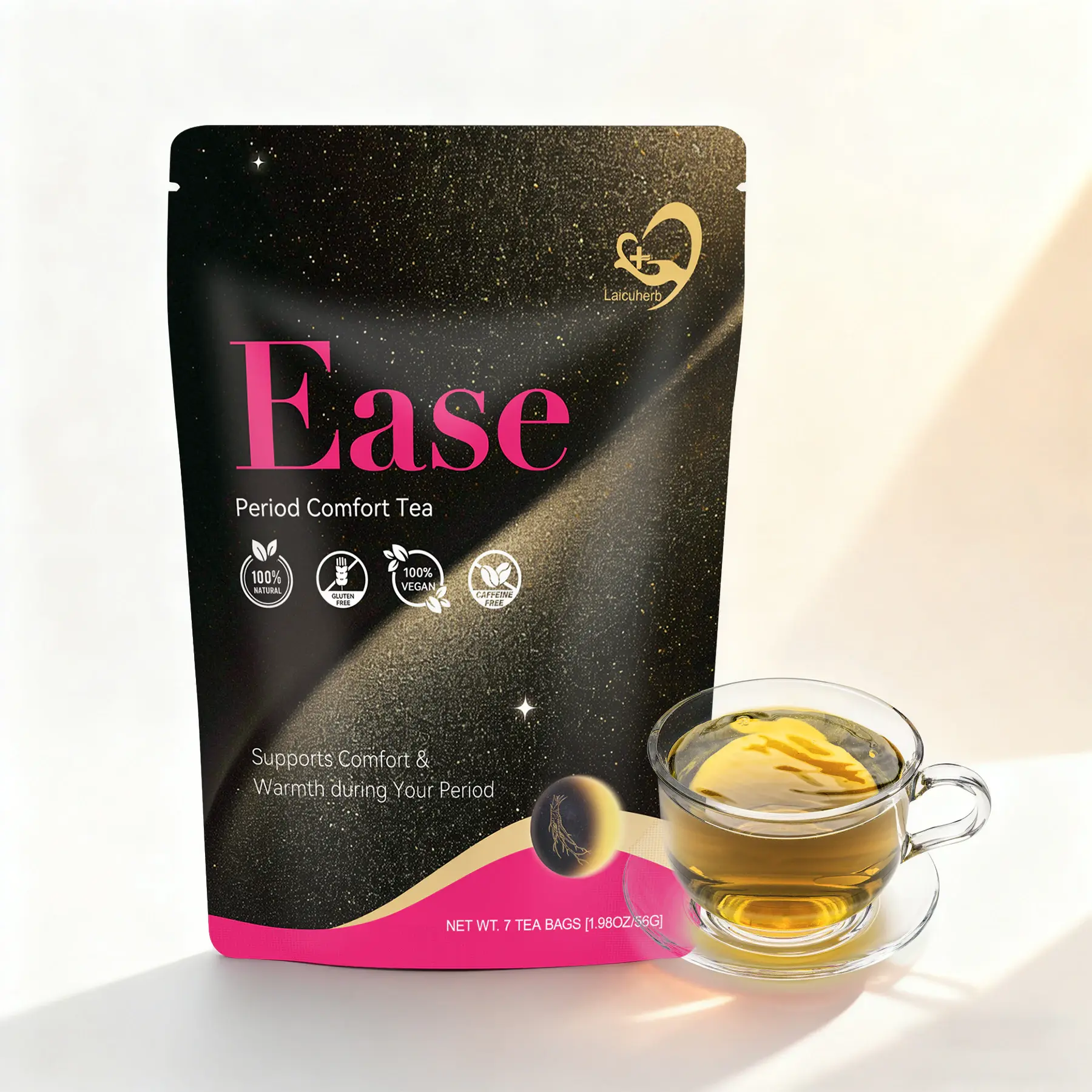
Recommended Products
FAQ
What is the best herb for period cramps?
There is no single best herb for everyone. Ginger is one of the most researched ingredients for menstrual discomfort, while other herbs such as chamomile, raspberry leaf, angelica, and peony are often included in formulas designed to support overall menstrual wellness.
Is ginger better than raspberry leaf for menstrual comfort?
The two herbs serve different purposes. Ginger is typically associated with warmth and circulation support, while raspberry leaf is traditionally used for women's reproductive wellness. Many herbal teas combine both ingredients rather than choosing one over the other.
What is the difference between warming teas and period comfort teas?
Warming teas generally focus on ingredients such as ginger and cinnamon that create a warming sensation. Period comfort teas often include additional herbs intended to support emotional well-being, relaxation, circulation, or overall menstrual wellness.
Can herbal teas replace medical treatment for severe menstrual pain?
No. Herbal teas may support comfort and wellness, but persistent or severe menstrual pain should be evaluated by a qualified healthcare professional.
Why do some period teas contain multiple herbs?
Different herbs are traditionally used for different purposes. Multi-herb formulas attempt to provide broader support by combining ingredients associated with warmth, relaxation, circulation, and overall menstrual well-being.
Final Thoughts
There is no single "best" herbal ingredient for period comfort. Ginger may be ideal for women seeking warmth. Chamomile may be more suitable for relaxation. Raspberry leaf remains a popular traditional choice, while herbs such as angelica, peony, rose, red dates, and wolfberry introduce additional dimensions of support found in many Eastern herbal traditions. The most effective tea is often the one that aligns with your specific symptoms, preferences, and wellness goals. Understanding the role of each ingredient can help you make a more informed decision and choose a formula that fits your needs.
References
- Daily JW, et al. (2015). Efficacy of Ginger for Alleviating Symptoms of Primary Dysmenorrhea. Pain Medicine.
- Chen CX, et al. (2016). Efficacy of Oral Ginger for Dysmenorrhea: A Meta-analysis. Evidence-Based Complementary Medicine.
- NCCIH. Herbs at a Glance: Ginger.
- WHO. WHO Monographs on Selected Medicinal Plants.
- TCMSP. Traditional Chinese Medicine Systems Pharmacology Database.
Related Readings
- Best Ease Period Comfort Tea Blends Link Placeholder →
- What Helps Menstrual Cramps? Link Placeholder →
About the Author
Laicuherb
The core content team at Laicuherb is a collective of experts, including health professionals, consultants in Traditional Chinese Medicine, and experienced content strategists. Laicuherb team has deep expertise in herbal health, integrating the wisdom of traditional medicine, modern nutrition, and women's health research.
© 2026 Laicuherb. Your State Your Tea.