What Helps Menstrual Cramps? Practical Ways to Feel Better During Your Period






Menstrual cramps are one of the most common symptoms that accompany a monthly period. For some women, the discomfort is mild and manageable. For others, cramps can interfere with work, exercise, sleep, and daily activities.
Menstrual cramps occur when the uterus contracts to shed its lining. These contractions are triggered by hormone-like substances called prostaglandins. Higher prostaglandin levels are often linked to stronger cramps and more discomfort.
While severe or persistent pain should always be discussed with a healthcare professional, many women find relief through simple lifestyle adjustments, dietary changes, and natural remedies.
Apply Heat to Relax Uterine Muscles
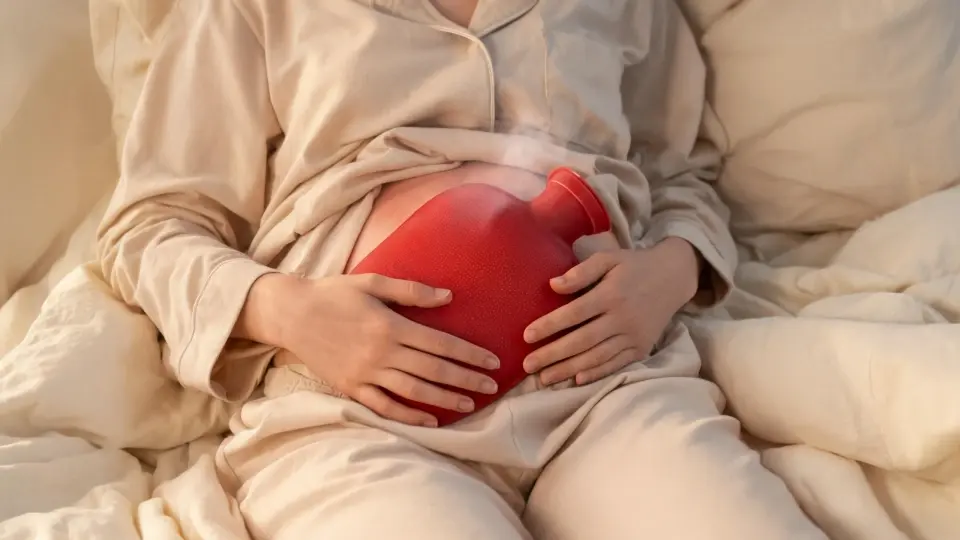
Heat is one of the simplest and most effective ways to ease menstrual discomfort. A heating pad, hot water bottle, warm bath, or even a heated patch placed on the lower abdomen can help relax the muscles involved in uterine contractions. Many women report that heat provides relief comparable to common over-the-counter pain medications for mild to moderate cramps.
Stay Hydrated
Bloating often becomes more noticeable before and during menstruation. Although it may seem counterintuitive, drinking enough water can help reduce water retention and ease some of the pressure that makes cramps feel worse. Warm water may be especially comforting because it promotes circulation and encourages muscle relaxation.
Choose Foods That Support a Healthy Inflammatory Response
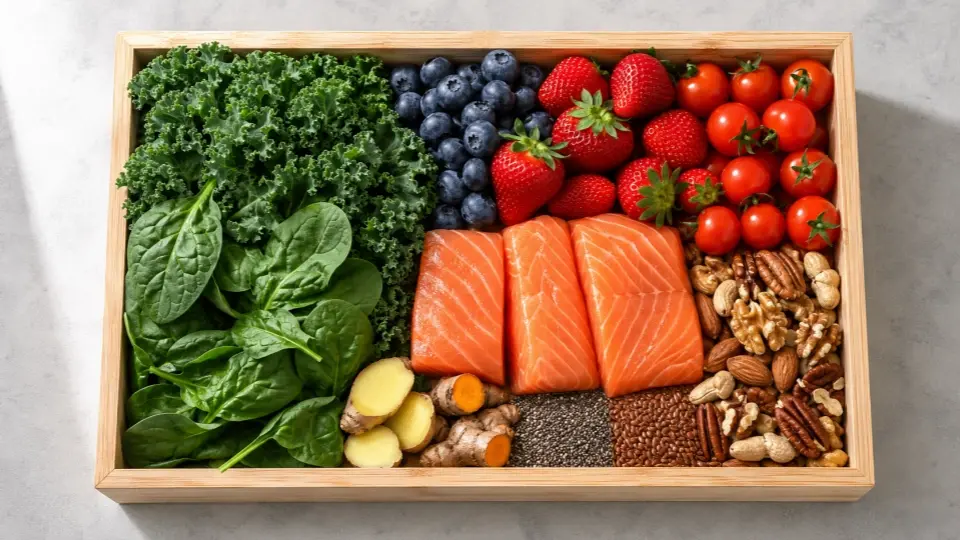
Certain foods may help create a more comfortable period experience by supporting circulation and reducing inflammation. Foods often recommended during menstruation include:
- - Leafy green vegetables
- - Berries
- - Tomatoes
- - Fatty fish such as salmon
- - Nuts and seeds
- - Ginger and turmeric
These foods provide nutrients that support overall health while helping the body manage inflammatory processes that may contribute to discomfort.
Limit Foods That May Increase Bloating
Highly processed foods, excessive sugar, and salty snacks can sometimes worsen bloating and leave you feeling more uncomfortable during your period.
Drink Herbal Tea for Comfort and Relaxation
A warm cup of herbal tea can be a soothing part of a menstrual wellness routine. Beyond the comfort of warmth itself, certain traditional herbs have long been used to support circulation, digestive comfort, and relaxation during menstruation.
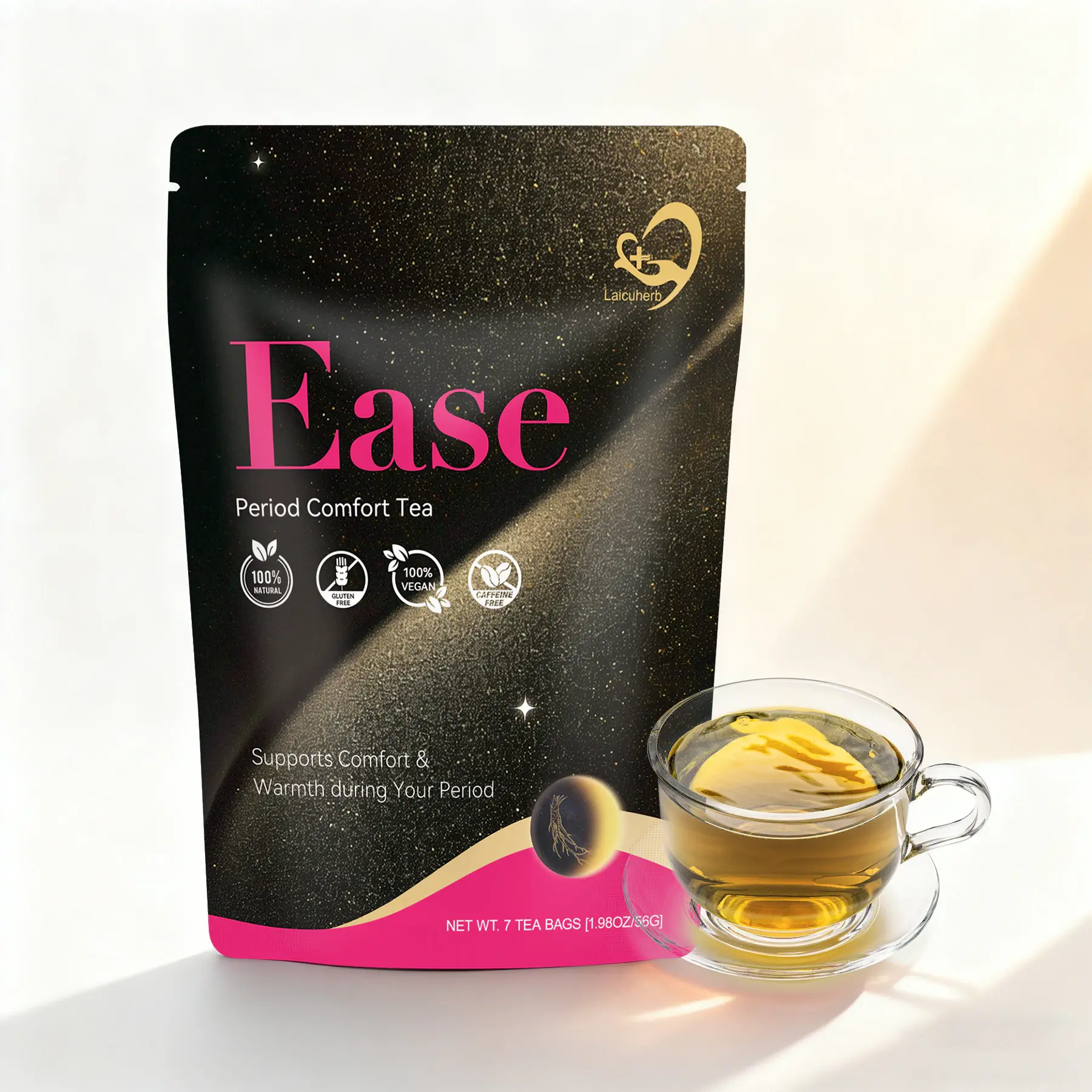
herbal blends containing ingredients such as longan, red dates, wolfberry, angelica, dried ginger, Pingyin rose, and peony petals are commonly enjoyed during menstrual periods. Ginger is often appreciated for its warming properties, while angelica and red dates have a long history of use in traditional wellness practices aimed at supporting women's health.
Gentle Exercise Can Help More Than You Think
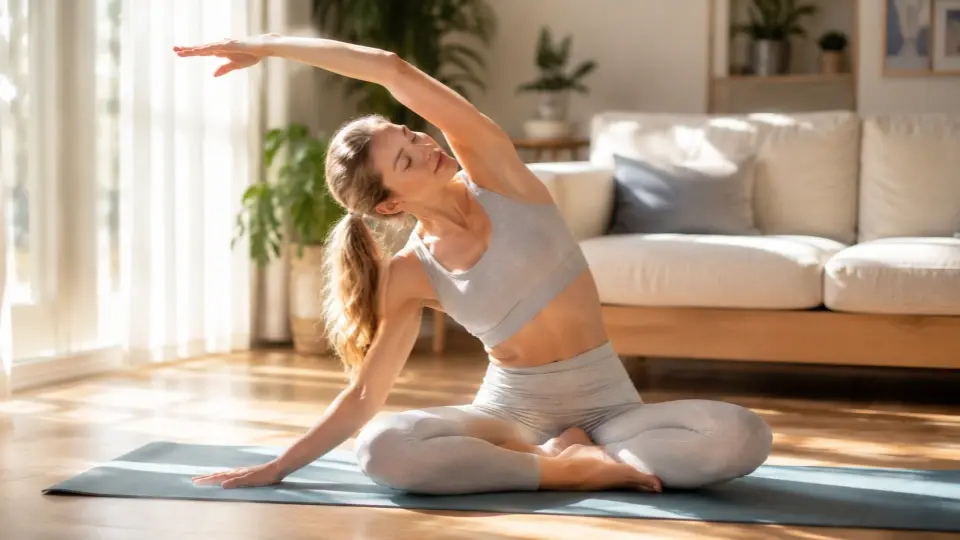
Exercise can help relieve menstrual cramps, especially when it is part of a regular routine rather than something done only after cramps begin. When cramps are intense, exercise may be the last thing you want to do. Light movement can encourage blood flow and stimulate the release of endorphins, the body's natural feel-good chemicals. Activities that may help include:
Even 10 to 15 minutes of movement can make a noticeable difference for some women.
Get Enough Rest
Poor sleep and fatigue can make discomfort feel more intense. During your period, prioritize adequate rest whenever possible. Creating a calming bedtime routine, reducing screen exposure before sleep, and maintaining a consistent sleep schedule may support better recovery and overall well-being during menstruation.
Manage Stress Levels
Stress does not directly cause menstrual cramps, but it may influence how pain is perceived and experienced. Simple stress-management techniques include:
Taking a few minutes each day to relax may help both your physical and emotional symptoms during your cycle.
Consider Certain Nutrients and Supplements
Some research suggests that nutrients such as magnesium, vitamin D, omega-3 fatty acids, and vitamin E may help support menstrual comfort in certain individuals. Before starting any supplement, it's a good idea to consult a healthcare professional, especially if you take medications or have existing medical conditions.
Over-the-Counter Pain Relief
For women who need faster relief, over-the-counter anti-inflammatory medications such as ibuprofen are commonly used to manage menstrual cramps. These medications work by reducing prostaglandin production, which can lessen uterine contractions and associated pain. Always follow label directions and consult your healthcare provider if you have questions about medication use.
When Should You See a Doctor?
Occasional menstrual cramps are common, but severe pain should not be ignored. Consider speaking with a healthcare provider if:
- - Pain prevents normal daily activities
- - Symptoms suddenly become much worse
- - Over-the-counter medications no longer help
- - Period pain continues to worsen over time
- - You experience unusually heavy bleeding
Conditions such as endometriosis, adenomyosis, or uterine fibroids may require medical evaluation and treatment.
Final Thoughts
If you're wondering what helps menstrual cramps, the answer is often a combination of strategies rather than a single solution. Heat therapy, hydration, anti-inflammatory foods, gentle exercise, stress management, and comforting herbal teas may all contribute to a more manageable period experience. Every body responds differently, so it may take some experimentation to discover which approaches work best for you. The good news is that many women find meaningful relief through simple daily habits that support overall menstrual wellness.
Recommended Products
FAQ
What helps menstrual cramps the fastest?
The fastest relief often comes from a combination of approaches, such as applying heat to the lower abdomen, staying hydrated, and using over-the-counter anti-inflammatory medications when appropriate. Some women also find that gentle stretching or a short walk helps reduce discomfort.
Can drinking tea help with period cramps?
Warm herbal teas may help promote relaxation and comfort during menstruation. Certain herbs have traditionally been used to support circulation and digestive comfort, while the warmth of the tea itself can be soothing when cramps occur.
What foods should I eat when I have menstrual cramps?
Many experts recommend focusing on anti-inflammatory foods such as leafy greens, berries, fatty fish, nuts, seeds, ginger, and turmeric. These foods provide nutrients that support overall health and may help reduce discomfort during your period.
Is exercise good for menstrual cramps?
Yes. Regular physical activity may help reduce the severity of menstrual cramps over time. During your period, gentle activities such as walking, yoga, stretching, or light cycling can encourage blood flow and promote the release of endorphins, which are the body's natural pain-relieving chemicals.
When should I be concerned about period cramps?
You should consider speaking with a healthcare provider if menstrual pain prevents normal daily activities, becomes significantly worse over time, does not respond to common pain-relief measures, or is accompanied by unusually heavy bleeding.
References
- ACOG. Dysmenorrhea: Painful Periods. acog.org
- Office on Women's Health. Menstrual Cycle and Menstruation. womenshealth.gov
- Mayo Clinic. Menstrual Cramps (Dysmenorrhea). mayoclinic.org
- Cleveland Clinic. Menstrual Cramps: Symptoms, Causes and Treatment. clevelandclinic.org
- Armour M, et al. (2019). Prevalence and Academic Impact of Dysmenorrhea in Young Women. Journal of Women's Health.
Related Readings
- Best Ease Period Comfort Tea Blends Link Placeholder →
- Cycle Tea Set: The Phase-by-Phase Recommendation Link Placeholder →
About the Author

Laicuherb
The core content team at Laicuherb is a collective of experts, including health professionals, consultants in Traditional Chinese Medicine, and experienced content strategists. Laicuherb team has deep expertise in herbal health, integrating the wisdom of traditional medicine, modern nutrition, and women's health research.
© 2026 Laicuherb. Your State Your Tea.