Is Cod Liver Oil Fattening?






Table of Contents
Introduction
In previous articles, we’ve already explored that cod liver oil is a nutrient-rich supplement extracted from fish livers, prized for its high levels of omega-3 fatty acids (EPA and DHA) along with vitamins A and D. Given that it’s an animal-derived fat, it’s natural to wonder:
"Since it’s an “oil,” will taking it make you gain weight?"
After all, in many people’s minds, “fat” is often equated with “putting on pounds.” Today, let’s settle this question once and for all—does cod liver oil actually cause weight gain, and if you’re concerned about your weight, how should you take it?
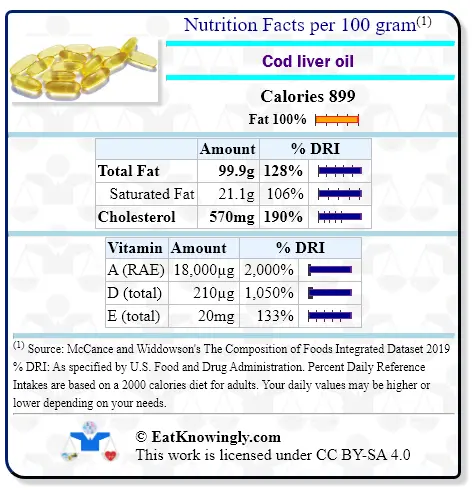
1. The Short Answer: Cod Liver Oil Itself Will Not Make You Gain Weight
When taken at the recommended dosage, cod liver oil has virtually no meaningful impact on body weight.
The reason is straightforward—although it is a fat, the total daily calorie intake is extremely low, far below the level that would contribute to weight gain.
Let’s look at the numbers:
- Liquid cod liver oil: The typical daily dose is 5 ml (about 1 teaspoon) — That’s roughly 45 calories
- Cod liver oil capsules: The typical daily dose is 1–2 capsules — That’s roughly 20–25 calories
For comparison:
- 1 medium banana ≈ 100 calories
- 1 apple ≈ 80–100 calories
- 1 tablespoon of cooking oil ≈ 120 calories
In other words, the daily calorie contribution of cod liver oil is less than that of a few bites of rice. Blaming cod liver oil for weight gain would be quite unfair.
2. Why Do Some People Feel Like Cod Liver Oil Made Them Gain Weight?
Even though cod liver oil contributes very few calories, some people do experience a sensation of “gaining weight” while taking it. This usually stems from one of the following reasons:
1. Improper Use — Taking Too Much
Some people mistakenly believe “more is better” and consume cod liver oil like ordinary cooking oil. When the intake far exceeds the recommended dose, calories do add up.
2. Simultaneous Changes in Diet or Lifestyle
Many people start taking cod liver oil during winter months when outdoor activity decreases and food intake increases. A slight upward shift in weight is mistakenly attributed to cod liver oil.
3. Digestive Discomfort Leading to a Feeling of Bloating
A small number of individuals experience mild indigestion or abdominal bloating. This sensation of fullness can be misinterpreted as “getting bigger,” when in fact it is only a temporary digestive response.
3. A Scientific Perspective on Cod Liver Oil as a “Fat”
1. Total Calorie Balance Determines Weight Change
Weight gain or loss ultimately comes down to total calories consumed and total calories burned. With cod liver oil contributing only 20–45 calories per day, this amount is negligible.
2. Cod Liver Oil Provides “Good Fats”
The primary fats in cod liver oil are polyunsaturated fatty acids (EPA and DHA), which are healthy fats. Unlike saturated fats, these do not promote fat storage. In fact, they can help:
- Reduce inflammation
- Improve blood lipid profiles
- Support cardiovascular health
4. How to Take Cod Liver Oil Properly — Without Worrying About Weight
1. Stick to the Recommended Dosage
Follow the label. Taking too much carries the risk of vitamin A and D toxicity due to their fat-soluble nature.
2. Account for the Calories if You’re Tracking Intake
Factor the 20–45 calories into your daily total. This is easily offset by reducing a few bites of rice.
3. Take It With a Meal
This improves absorption of the fat-soluble vitamins and reduces gastrointestinal discomfort.
5. Final Thoughts
Is Cod Liver Oil Fattening? The answer is no. At the recommended dosage, it provides far too little to cause weight gain. Perceived weight gain is usually due to overconsumption, lifestyle changes, or digestive sensations.
This article is for informational purposes only and does not constitute medical advice. Please consult a healthcare professional before taking cod liver oil.
FAQ
Q1: How many calories are in a typical dose of cod liver oil?
A: A standard daily dose of liquid cod liver oil (about 5 ml) contains roughly 45 calories. Capsules provide 20–25 calories.
Q2: Can taking too much cod liver oil cause weight gain?
A: Yes, if consumed in excessive amounts, calories add up. More importantly, it increases the risk of vitamin A and D toxicity.
Q3: Is cod liver oil considered a “healthy fat”?
A: Yes. The omega-3 fatty acids (EPA and DHA) are polyunsaturated fats beneficial for heart and brain health.
Q4: Why do I feel bloated after taking cod liver oil?
A: This is mild digestive discomfort. Taking it with a meal usually helps reduce this temporary sensation.
Q5: If I’m trying to lose weight, should I avoid cod liver oil?
A: Not necessarily. The small calories can be accounted for in a balanced diet. Do not exceed the recommended amount.
Q6: Are there vegan-friendly alternatives to cod liver oil?
A: Yes. Sea buckthorn oil is an excellent alternative rich in omega-7 and vitamin A (beta-carotene). For direct EPA/DHA, algal oil is the most effective vegan option.
References
American Heart Association. Fish and Omega-3 Fatty Acids. 2023, www.heart.org/en/healthy-living/healthy-eating/eat-smart/fats/fish-and-omega-3-fatty-acids.
EFSA Panel on Dietetic Products, Nutrition and Allergies (NDA). "Scientific Opinion on the Tolerable Upper Intake Level of Vitamin A." EFSA Journal, 2012.
National Institutes of Health (NIH) – Office of Dietary Supplements. "Omega-3 Fatty Acids: Fact Sheet for Health Professionals." 2023, ods.od.nih.gov/factsheets/Omega3FattyAcids-HealthProfessional/.
Zielińska, A., and I. Nowak. "Abundance of Active Ingredients in Sea-Buckthorn Oil." Lipids in Health and Disease, vol. 16, no. 1, 2017, p. 95.
Related Reading
👉 What Is Cod Liver Oil? Benefits and Uses Explained
👉 Is Cod Liver Oil the Same as Fish Oil?
👉 Fish Oil: A Complete Guide to Benefits, Side Effects, Dosage, and Safety
👉 cardiovascular-supports" target="_blank">Tired All the Time, Cold Hands and Feet, Dry Skin? You Might Be Missing These Cardiovascular Supports
👉 Pure Sea Buckthorn Oil: Uses, Benefits, Side Effects, and Dosing
About the Author
Laicuherb
The core content team at Laicuherb is a collective of experts, including health professionals, consultants in Traditional Chinese Medicine, and experienced content strategists. Some articles are authored by our brand's founders or R&D scientists. Laicuherb team has deep expertise in herbal health, integrating the wisdom of traditional medicine, modern nutrition, and women's health research to transform ancient wellness principles into practical, accessible content for everyday life.
© 2026 Laicuherb. Your State Your Tea.