What Is Cod Liver Oil? Benefits and Uses Explained






What Is Cod Liver Oil?
Cod liver oil is a nutrient-dense dietary supplement extracted specifically from the livers of Atlantic cod. Unlike standard fish oil, it is a unique natural source that provides high concentrations of Vitamin A, Vitamin D, and Omega-3 fatty acids (EPA and DHA) in a single, synergistic package.
Table of Contents
Most of us remember the dreaded spoonful our grandparents insisted upon every winter morning. Yet behind that old-fashioned reputation lies a modern superfood. The pure oil pressed directly from the liver of Atlantic cod offers distinct advantages over standard fish supplements.

Unlike generic supplements squeezed from the bodies of various fish, this specific oil acts as a natural multivitamin. Nutritionists recommend it because fish livers naturally store high concentrations of vitamin A and D, alongside brain and heart-boosting omega-3 fatty acids EPA and DHA. If you're wondering what is cod liver oil, it's simply the concentrated oil taken from the liver of Atlantic cod, naturally rich in vitamins A and D and omega-3s.
Together, these nutrients perform like a specialized maintenance crew. According to modern research, the built-in Vitamin D acts as a vital "key" unlocking calcium for your bones, proving why this historic winter immunity remedy outshines basic, body-derived fish oil.
Why This "2-in-1" Supplement Beats Standard Fish Oil for Total Body Health
You might already have standard fish oil in your cabinet, but a simple upgrade could unlock better daily health. While regular supplements press oil from the whole fish body just to extract fats, cod liver oil taps into the fish's natural storage center. If you're asking what is cod liver oil good for, think daily support for bones, immune health, heart, brain, skin, and joints.
The cod liver oil vs fish oil benefits come down to exactly what is inside the capsule:
- Nutrient source: Standard body tissue versus the highly nutrient-dense liver.
- Vitamin A content: Almost zero in standard oil, but naturally abundant in liver oil for immune support.
- Vitamin D content: Missing from regular fish oil, yet perfectly concentrated in the liver to unlock calcium.
- Omega-3 concentration: Both provide healthy fats, but liver oil delivers a complete, naturally balanced package.
Within those healthy fats are two essential components: DHA and eicosapentaenoic acid (EPA). Think of these as your ultimate brain and heart boosters, actively calming down inflammation while repairing your cells. When these fats naturally pair with vitamin A and D, your body experiences true nutrient synergy. The healthy fats act as a built-in delivery vehicle, helping your system absorb those fat-soluble vitamins far better than dry pills ever could.
Nutritionists recommend this precise combination because it gives your body the exact tools required to thrive. With your vitamin levels beautifully restored, you are prepared to conquer everything from creaky joints to sharper focus.
How to Use Cod Liver Oil for Daily Vitality
Waking up with stiff knees is a universal frustration, but taking cod liver oil for joint pain can actively transform your mornings. Since inflammation acts like a slow-burning fire inside your body, putting it out requires precise tools. The omega-3 fats act as a natural coolant that calms irritated tissues, while Vitamin D works like a key, locking calcium into your skeleton to support joint mineral density.
Beyond your bones, this daily habit nourishes your outer shield and inner control center. For those supporting heart and brain health, DHA serves as vital building material that maintains the physical structure of brain cells so your mind stays sharp. Simultaneously, you unlock the skin health benefits of omega-3s paired perfectly with Vitamin A, a nutrient that naturally speeds up skin cell turnover to replace dry, dull patches.
After a few weeks of consistent use, most people notice practical, everyday upgrades:
- Reduced joint clicking when walking up stairs.
- Smoother skin texture, even during harsh winter months.
- Improved mood stability as your brain gets the proper nourishment it craves.
How to Decode Labels and Avoid 'Fishy' Quality
Staring at a crowded pharmacy shelf can feel overwhelming, especially when comparing traditional fermented vs extra virgin extraction methods. These natural techniques gently press the liver to preserve fragile nutrients, but since fish absorb ocean pollutants, raw extraction is never the final step.
To guarantee safety, premium brands rely on molecular distillation for purity standards. Think of this as a microscopic sorting system that extracts the healthy fats while actively testing for heavy metals and mercury. This crucial step also improves oxidative stability—meaning the oil won't spoil, turn rancid in the bottle, or cause those dreaded "fishy" burps throughout your day.
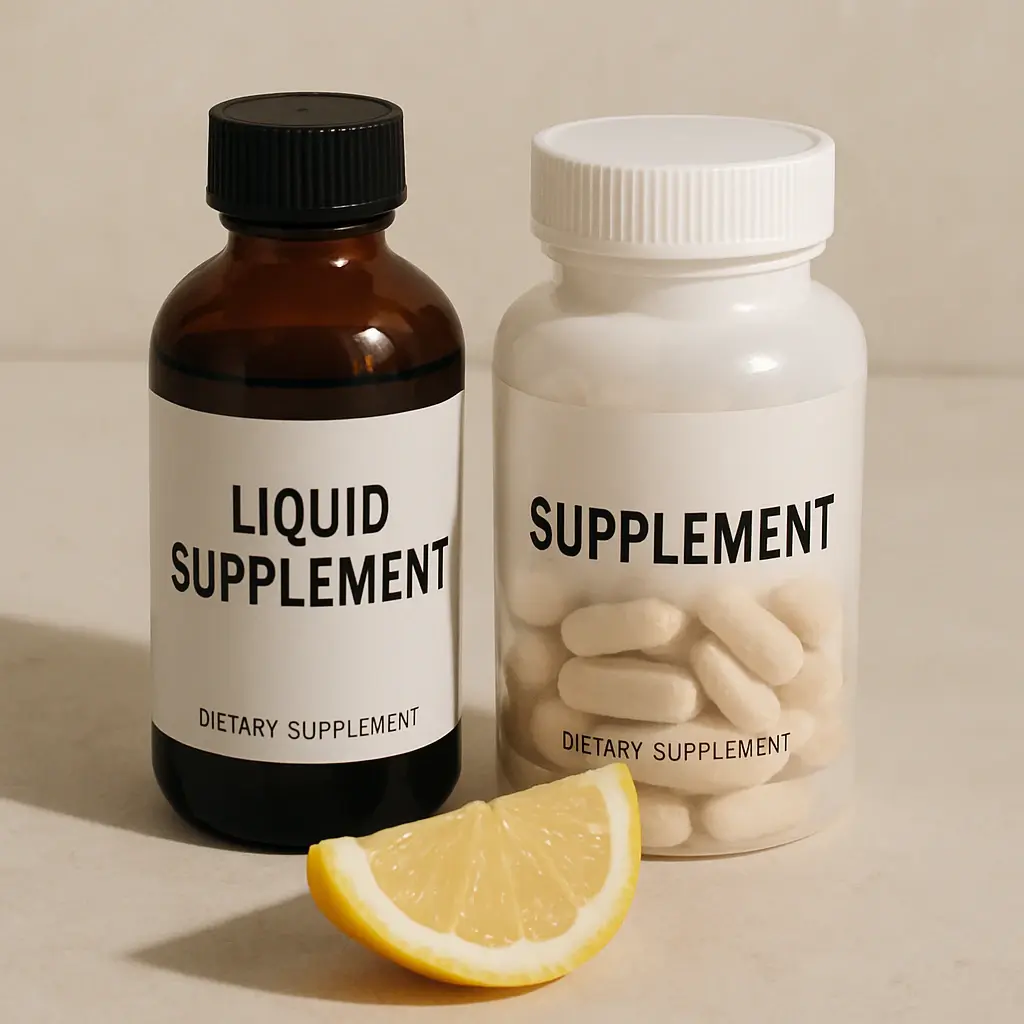
Deciding between liquid and capsule forms depends entirely on your daily routine. Liquids are highly cost-effective and easy to swallow or mix into breakfast smoothies, whereas capsules provide travel-friendly convenience and completely hide any lingering flavor.
Before checking out, run through this simple shopping checklist:
- Check for 3rd-party testing.
- Look for 'molecularly distilled' labels.
- Verify Vitamin A levels.
- Choose opaque packaging.
Safe Dosages and Avoiding Vitamin Toxicity
More is not always better when it comes to nutrient-dense supplements. Because Vitamins A and D are "fat-soluble," your body stores the excess instead of flushing it out. To avoid accidentally stockpiling these nutrients, stick to the recommended daily dosage for adults—typically keeping your total intake of Vitamin A under 10,000 IU and Vitamin D under 4,000 IU daily.
Many people ask what are the side effects of taking cod liver oil. While cod liver oil is incredibly safe for most, taking it incorrectly introduces potential side effects and toxicity risks. Watch out for these common red flags:
- "Fishy burps" and nausea: Easily prevented by taking your dose alongside a solid meal rather than on an empty stomach.
- Mild stomach upset: A clear signal that you should lower your daily intake.
- Signs of too much Vitamin A: Severe headaches, joint pain, or dizziness mean you have exceeded safe limits.
Always consult a doctor before starting, particularly if you take blood-thinners or are pregnant.
What can replace cod liver oil?
Many people may find the fishy smell of cod liver oil unpleasant, or they may be concerned about the omega-3 content that vegetarians need to supplement in their bodies. However, they may be confused because cod liver oil is an oily substance.
If you are taking cod liver oil primarily for its anti-inflammatory omega-3s (EPA and DHA) but want to avoid the high levels of Vitamin A, these are excellent substitutes.
- Standard Fish Oil: This is the closest direct replacement. Unlike cod liver oil (extracted from the liver), standard fish oil is extracted from the body of fish like anchovies or salmon. It contains high amounts of EPA and DHA but no Vitamins A or D, making it safer for long-term use without the risk of vitamin toxicity.
- Algal Oil (Vegan): Derived from marine algae, this is the only plant-based source that naturally contains DHA (and often EPA). It is the purest way to support brain and eye health without any fishy aftertaste or contaminants.
- Krill Oil: Contains omega-3s in a different molecular form (phospholipids) that some studies suggest may be absorbed more easily by the body than the form found in cod liver oil.
- Sea Buckthorn Oil (Plant-Based): While it does not provide significant EPA or DHA, sea buckthorn oil is a unique plant-based alternative rich in omega-7 (palmitoleic acid), a rare fatty acid known for its strong anti-inflammatory properties and ability to support mucosal membranes (including digestive, urinary, and respiratory tracts). It also contains natural vitamin A (as beta‑carotene, which is safer than preformed vitamin A) and vitamin E. If your primary goal is reducing inflammation without ingesting animal products or preformed vitamin A, sea buckthorn oil offers a complementary option—though for direct EPA/DHA replacement, algal oil remains the better choice.
At the end of the writing
Build a two-week routine by purchasing a purity-tested liquid and taking it alongside a meal for maximum absorption. Because it ranks among the richest dietary sources of eicosapentaenoic acid, daily consistency is exactly what lets these boosters properly repair your cells.
Over the next fourteen days, observe the subtle shifts in your morning joint flexibility or skin moisture. This old-world survival tool is now your modern, science-backed strategy for staying resilient year-round.
Frequently Asked Questions (FAQ)
Q: Can I take cod liver oil every day?
A: Yes, daily use is recommended for consistent benefits. However, ensure you stay within the daily recommended dosage to avoid Vitamin A toxicity.
Q: Is cod liver oil safe for children?
A: Historically, it has been used for children to prevent rickets. Today, many pediatricians recommend specific child-friendly doses for immune and brain development, but you must check with a doctor first.
Q: Does cod liver oil expire?
A: Yes. Because it contains polyunsaturated fats, it can turn rancid if exposed to light or heat. Always store it in a cool, dark place and check the expiration date.
Q: Can vegetarians get the same benefits?
A: Vegetarians should look for Algal Oil for DHA/EPA and Sea Buckthorn Oil for Omega-7 and Vitamin A to achieve a similar anti-inflammatory and skin-health profile.
Works Cited
Calder, Philip C. "Omega-3 Fatty Acids and Inflammatory Processes: From Molecules to Man." Biochemical Society Transactions, vol. 45, no. 5, 2017, pp. 1105-1115.
Holick, Michael F. "Vitamin D Deficiency." New England Journal of Medicine, vol. 357, 2007, pp. 266-281.
National Institutes of Health. "Omega-3 Fatty Acids: Fact Sheet for Health Professionals." Office of Dietary Supplements, 2023, ods.od.nih.gov/factsheets/Omega3FattyAcids-HealthProfessional/.
Related Reading
👉 What Is Cod Liver Oil? Benefits and Uses Explained
👉 Is Cod Liver Oil the Same as Fish Oil?
👉 Fish Oil: A Complete Guide to Benefits, Side Effects, Dosage, and Safety
👉 cardiovascular-supports" target="_blank">Tired All the Time, Cold Hands and Feet, Dry Skin? You Might Be Missing These Cardiovascular Supports
👉 Sea Buckthorn Oil for Whole-Body Dryness and Intimate Health
About the Author

Laicuherb
The core content team at Laicuherb is a collective of experts, including health professionals, consultants in Traditional Chinese Medicine, and experienced content strategists. Some articles are authored by our brand's founders or R&D scientists. Laicuherb team has deep expertise in herbal health, integrating the wisdom of traditional medicine, modern nutrition, and women's health research to transform ancient wellness principles into practical, accessible content for everyday life.
© 2026 Laicuherb. Your State Your Tea.