Herbal Supplements for Women in Perimenopause: Where to Start






The supplement aisle gets loud in midlife. Sleep breaks. Cycles stop following the old calendar. Energy swings. Skin and mood feel less predictable. Then every bottle seems to promise a different answer.
Start smaller.
Name the symptom that actually disrupts your day. Not the one that sounds most “hormonal” online. Not the stack a friend used. The one that costs you sleep, work, or comfort.
Herbal supplements for perimenopause sit in a support lane: evening rituals, cycle-week drinks if periods still arrive, and everyday nutrition under clinical context. They are not hormone therapy. They are not a diagnosis. They are not a substitute for checking thyroid, iron, mood, sleep, or bleeding that needs a clinician.
Laicuherb Cycle Harmony teas are brew-only herbal beverages for women who still have menstrual phases and want a cup matched to how a given week feels. If you no longer bleed, do not force a phase tea into a menopause plan. Product questions can go to hello@laicuherb.com. Symptom questions belong with a healthcare professional.
Table of Contents
Quick Answer: Start With Your Most Disruptive Symptom
What Perimenopause Is (and How It Differs From Menopause)
The Four Symptom Categories That Respond to Nutritional Support
Matching Symptoms to Products: A Decision Framework
What Perimenopause Supplements Cannot Replace
Which Symptoms Always Need a Clinician First
Quick Answer: Start With Your Most Disruptive Symptom
If you are choosing herbal supplements for perimenopause, start with the complaint that costs you the most: broken sleep, cycle-week discomfort while you still bleed, changing energy, or the need for a slower evening routine.
Then add one category at a time.
If periods are still present, even irregularly, a Cycle Harmony tea can sit in the week as a brewed drink: Ease on bleeding days, Pure when energy is returning, Bloom around mid-cycle if that window still makes sense, Rest in the luteal evening. That is a ritual map, not a hormone protocol.
If hot flashes, night sweats, heavy bleeding, vaginal pain, major mood change, or severe insomnia are the loudest problem, start with a clinician. The 2022 NAMS hormone therapy statement identifies hormone therapy as the most effective treatment for vasomotor symptoms and genitourinary syndrome of menopause in appropriate candidates [2]. This article does not put herbs in that seat.
If you are over 40 and have not had recent midlife care, book that visit before you build a stack. Track the top two symptoms. Reassess on a clock. Current evidence does not show that any one retail herbal formula will settle every midlife symptom on a set timeline [5][6].
What Perimenopause Is (and How It Differs From Menopause)
Perimenopause is the transition toward menopause. Cycles may get shorter, longer, heavier, lighter, skipped, or less predictable. Menopause is confirmed only after 12 consecutive months without a period [1][3].
That difference matters. A woman in perimenopause may still bleed, ovulate some months and not others, and live with uneven hormone patterns. Friends on the same street can report different lead symptoms because the biology is uneven, not because they bought the wrong bottle.
The STRAW+10 framework describes reproductive aging as stages, not a single switch [1]. NAMS notes that midlife care depends on symptoms, risks, age, timing, and personal history, not a universal plan [2].
A supplement stack is a poor first move because you do not yet know whether the main issue is sleep timing, vasomotor symptoms, irregular bleeding, thyroid change, iron deficiency, medication effects, stress load, or something else. Laicuherb products do not define whether you are in perimenopause or menopause. They can only be considered after you know what problem you are trying to live with more comfortably.
The Four Symptom Categories That Respond to Nutritional Support
A cleaner starting point is four buckets. Only some of them belong near herbal products.
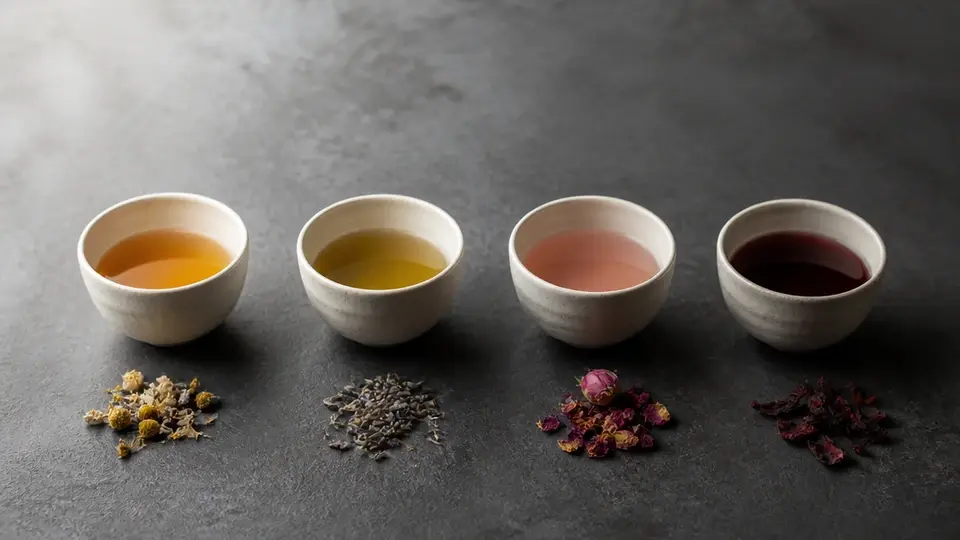
The first bucket is cycle-week comfort while periods still occur. Warmth, hydration, and a brew-only tea can mark menstrual, follicular, ovulatory, or luteal days. Ease, Pure, Bloom, and Rest are beverages for those windows. They do not regulate estrogen, restore a 28-day calendar, or treat heavy bleeding.
The second bucket is evening wind-down. A caffeine-free cup can be a bedtime cue if sleep hygiene is already in place: light, caffeine timing, alcohol, room temperature. That is not the same as proving a tea treats insomnia or night sweats.
The third bucket is everyday nutrition under clinician guidance: protein, iron if labs show a need, calcium and vitamin D in a broader bone conversation, alcohol moderation. Herbs do not replace that conversation.
The fourth bucket is what people often shop for first and should not: vasomotor intensity, major mood change, painful sex, abnormal bleeding. Those sit outside “nutrition only.” Matching the bucket to the product keeps herbal supplements from becoming an expensive delay.
Matching Symptoms to Products: A Decision Framework
If the loudest issue is a changing cycle and you still bleed, start with a calendar before a cart. Track bleeding days, flow, pain, sleep, and mood. If you want a drink ritual, Cycle Harmony teas can be considered as brewed beverages for phase-aware comfort. If ovulation is unclear, do not force Bloom into a week you cannot map.
If the loudest issue is sleep, look first at caffeine, alcohol, heat, anxiety, and medications. Rest Calm & Sleep Tea can be an evening cup if you want a luteal-phase ritual. It is not a hypnotic and has not been shown to treat perimenopausal insomnia.
If the loudest issue is period-week cramps while you still menstruate, Ease Period Comfort Tea is a warming drink, not a replacement for ibuprofen or gynecologic care.
If the loudest issue is hot flashes or night sweats, ask a clinician about evidence-based options. Do not start with a random “menopause herb” stack. NCCIH notes that evidence for many dietary supplements is mixed, store products may differ from study products, and supplements can interact with medicines [5][6]. Black cohosh is often searched for menopause symptoms; NCCIH reports possible benefit for some overall menopause symptoms and hot flashes, mixed data, and rare but serious liver-injury reports tied to labeled products [6]. Laicuherb does not sell black cohosh as a Cycle Harmony tea. Do not import that search term onto Ease, Pure, Bloom, or Rest.
If you want help reading tea ingredients, brew use, or which Cycle Harmony box matches a still-cycling week, email hello@laicuherb.com. If you want help interpreting bleeding, medicines, or whether hormone therapy is appropriate, speak with a healthcare professional.
What Perimenopause Supplements Cannot Replace
Herbal supplements cannot replace diagnosis.
They cannot replace evaluation for thyroid disease, iron deficiency, abnormal uterine bleeding, depression, anxiety, sleep apnea, medication side effects, or genitourinary symptoms that need medical care.
They cannot replace hormone therapy when a clinician recommends it and it fits your health profile [2]. They cannot replace blood pressure care, lipid and glucose screening, cervical and breast screening, bone-risk discussion, or pelvic evaluation.
They cannot turn a popular herb into a guaranteed retail result. A tea may make a week feel slower and more marked. It does not regulate hormones, restore periods, prevent menopause, or treat disease.
That boundary is what keeps an herbal product useful. It is not asked to do a job it cannot do.
Which Symptoms Always Need a Clinician First
Do not start with a supplement if you have very heavy bleeding, bleeding after sex, bleeding after 12 months without a period, new severe pelvic pain, fainting, chest pain, shortness of breath, one-sided weakness, or sudden neurological symptoms.
Also get medical advice for unexplained weight loss, marked heart racing, neck swelling, severe fatigue, symptoms of anemia, persistent insomnia, intense night sweats, recurrent urinary discomfort, painful sex, unusual discharge, or mood changes that include hopelessness or thoughts of self-harm.
Women over 40 should be careful with new bleeding patterns. Perimenopause can bring irregular bleeding. The word “perimenopause” should not skip evaluation when bleeding is heavy, unusual, or new [3].
Tell your clinician about every tea, oil, and over-the-counter product you already take. NCCIH notes that dietary supplements can interact with medications and may pose risks with certain conditions, surgery, pregnancy, and nursing [5].
When to Reassess (or See a Doctor)
Give one product category a written trial. Do not start three things at once.
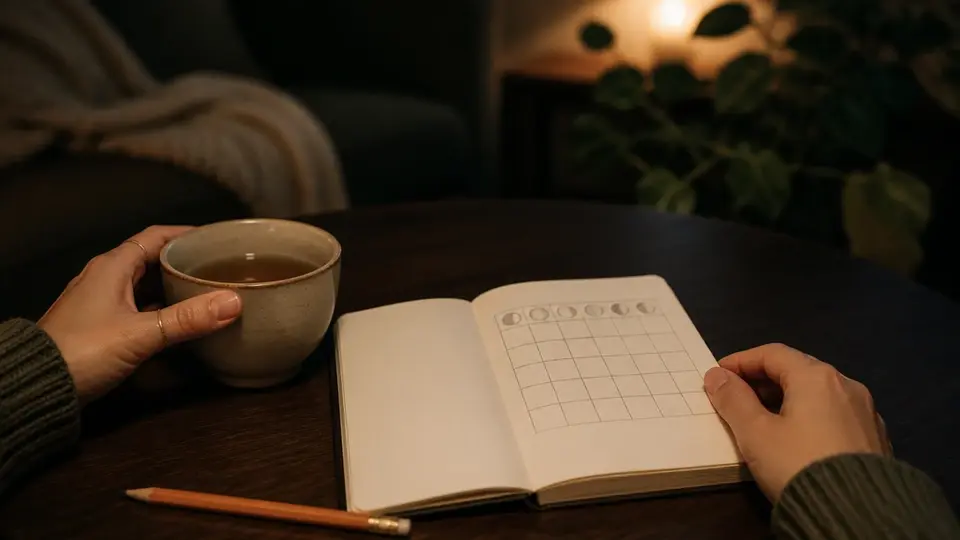
For a tea ritual tied to cycle weeks, review after two or three cycles if cycles still occur. Write one goal before you begin: a calmer evening, a clearer bleeding log, or a cup you actually drink on period days.
If nothing changes, do not add more herbs on your own. If symptoms worsen, stop and ask for help. If the only benefit is that the ritual makes the day calmer, name that honestly.
Flat results are information. They tell you not to keep stacking around a product that did not move the thing you cared about.
Laicuherb can answer format and brew questions. Only a clinician can change medical treatment.
Conclusion
Perimenopause is not a shopping category. It is a transition that needs a symptom map, clinical context, and modest product expectations.
Start with the symptom that disrupts life most. Match it to one category. Track it. Reassess. Keep medical care first when symptoms are severe, new, or persistent.
Cycle Harmony teas can fit remaining cycle-week rituals if you still menstruate. They should not be positioned as hormone therapy, disease care, or a fix for midlife symptoms.
FAQ
Q1: Where should I start if I want herbal support in perimenopause?
A: Start with the most disruptive symptom, then a clinician visit if you are over 40 or the symptom is new, severe, or involves bleeding, sleep collapse, mood, or pain. Add one brew-only Cycle Harmony tea only if you still have menstrual phases and want a week-specific cup. Do not start with a multi-herb stack.
Q2: Can perimenopause herbal supplements replace hormone therapy?
A: No. Herbs and teas should not be positioned as replacements for clinician-guided hormone therapy. NAMS identifies hormone therapy as the most effective treatment for vasomotor symptoms and genitourinary syndrome of menopause in appropriate candidates [2]. Discuss options with a healthcare professional.
Q3: How do Cycle Harmony teas fit a midlife routine?
A: They are brew-only herbal teas for phase-related comfort when cycles continue: Ease, Pure, Bloom, and Rest. Drink as tea only. If cycles are irregular and ovulation timing is unclear, do not force a phase. Heavy bleeding, severe pain, major sleep disruption, or unusual symptoms need clinical evaluation, not a second box.
Start With Clarity, Stay With Laicuherb
Midlife care gets easier when the first step is not a cart. Name the symptom. Check whether you still have a cycle. Talk to a clinician when symptoms need medical context. Then add one tea only if it has a clear job in that week.
Laicuherb Cycle Harmony teas are brewed comfort rituals for women who still track menstrual phases. Keep them in the support lane.
For product questions, contact hello@laicuherb.com. For symptoms, medications, bleeding changes, pregnancy, nursing, or hormone therapy decisions, consult a healthcare professional.
Explore Cycle Harmony: https://www.laicuherb.com/cycle-harmony
References
1. Harlow, S. D., Gass, M., Hall, J. E., Lobo, R., Maki, P., Rebar, R. W., Sherman, S., Sluss, P. M., & de Villiers, T. J. (2012). Executive summary of the Stages of Reproductive Aging Workshop + 10: Addressing the unfinished agenda of staging reproductive aging. Menopause, 19(4), 387–395. https://pubmed.ncbi.nlm.nih.gov/22343510/
2. The North American Menopause Society. (2022). The 2022 hormone therapy position statement of The North American Menopause Society. Menopause, 29(7), 767–794. https://pubmed.ncbi.nlm.nih.gov/35797481/
3. Santoro, N. (2016). Perimenopause: From research to practice. Journal of Women’s Health, 25(4), 332–339. https://pubmed.ncbi.nlm.nih.gov/26653408/
4. American College of Obstetricians and Gynecologists. (2014). ACOG Practice Bulletin No. 141: Management of menopausal symptoms. Obstetrics & Gynecology, 123(1), 202–216.
5. National Center for Complementary and Integrative Health. Using Dietary Supplements Wisely. https://www.nccih.nih.gov/health/using-dietary-supplements-wisely
6. National Center for Complementary and Integrative Health. Black Cohosh. https://www.nccih.nih.gov/health/black-cohosh
7. Laicuherb. Cycle Harmony. https://www.laicuherb.com/cycle-harmony
Related Readings
Energy Tea vs Matcha: Which Fits a Follicular-Phase Routine?