Skin Glow Supplement vs Collagen Peptides: How Their Roles Differ






Have you ever stood in that overwhelming supplement aisle—you know, the one with the floor-to-ceiling rows of powders and pills—and felt like you needed a degree in biochemistry just to pick a skin product? Honestly, folks are constantly weighing the pros and cons of collagen peptides against plant-based options like a "skin glow supplement," and it's pretty amazing how much noise there is out there. It feels like every day there's a new miracle ingredient claiming to be the holy grail of skincare, which can throw a real wrench in your daily routine.
But, here's the thing: while the hype makes it seem like these products are interchangeable, the real deal is that they're working on totally different layers of your biology. Dr. Olivia Nguyen, a wellness professional with expertise in herbal formulations, recently shared that "the choice between protein-based support and lipid-based nourishment is one of the most common points of confusion for consumers today." That said, it's super important to remember that your skin is a big deal and what works for one person might be different for someone else—everyone responds to this stuff in their own way.
So, how do you know which one actually earns a spot in your cabinet? Taking control of your health starts with understanding the facts rather than the marketing fluff, and that's exactly what we're diving into today. A little awareness really goes a long way, and your long-term health is entirely worth that investment.

Quick Answer: The Two Categories Have Different Proposed Roles
When analyzing the difference between collagen peptides and a skin glow supplement, it is necessary to recognize that they target distinct biological pathways. Collagen peptides are hydrolyzed animal proteins—typically derived from bovine or marine sources—intended to provide the specific amino acids required for the skin's structural integrity. Conversely, an herbal skin glow supplement, such as one based on sea buckthorn oil, focuses on providing essential fatty acids and antioxidants. While collagen acts as the "scaffolding" of the dermis, an herbal supplement supports the "lipid barrier" and protects against oxidative stress. Therefore, these two categories should be viewed as complementary nutritional strategies rather than direct substitutes for one another.
What Collagen Peptides Provide
Collagen peptides have become one of the most rigorously documented categories in the modern skin supplement market. A 2023 meta-analysis of 26 randomized controlled trials involving over 1,700 participants suggested that the daily intake of 2.5 to 15 grams of hydrolyzed collagen for at least eight weeks was associated with measurable improvements in skin elasticity and hydration.
This biological process involves supplying amino acids such as glycine, proline, and hydroxyproline, which serve as the primary building blocks for the body's endogenous collagen production. Furthermore, specific bioactive peptide fragments have been clinically shown to signal the cells that produce the structural proteins in the dermis, stimulating fibroblasts — the cells responsible for synthesizing the structural matrix of the skin. It is important to note that because collagen is sourced from animal hides or scales, it is not compatible with a vegan or plant-based lifestyle.
What a Sea-Buckthorn-Based Skin Glow Supplement Provides
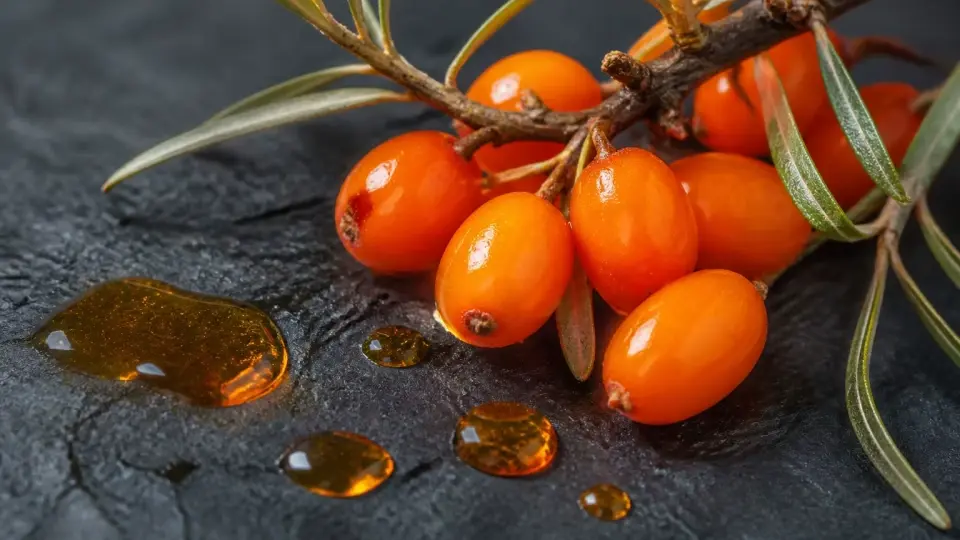
An herbal skin glow supplement formulated with whole sea buckthorn berry oil operates on a nutritional axis that collagen cannot address. Laicuherb's skin shine supplement provides 1,000 mg of organic sea buckthorn oil, delivering a concentrated dose of 324 mg of omega-7 palmitoleic acid alongside omega-3, 6, and 9. Sea buckthorn is historically significant in traditional medicine for its unique ability to contain all four essential fatty acids in a single plant source.
Clinical research indicates that oral intake of sea buckthorn oil over an 8-to-12-week period may support skin barrier function and internal hydration. The proposed mechanism involves omega-7's role as a natural component of human sebum, combined with the protective antioxidant activity of carotenoids and vitamin E, which has been shown in 12-week trials to actively maintain skin barrier function and prevent transepidermal water loss. These plant-based softgels offer a vegan-friendly alternative for individuals seeking to nourish their skin barrier without animal-derived ingredients, delivered in premium vegan softgels free of gluten, soy, and dairy for those adhering to a strictly plant-based lifestyle.
Comparison Table: Ingredients, Evidence, Goals, and Dietary Fit
To facilitate an informed decision between a skin glow supplement and collagen peptides, the following table organizes the fundamental technical differences:
| Dimension | Collagen Peptides | Skin Glow Supplement (Sea Buckthorn) |
|---|---|---|
| Primary ingredient | Hydrolyzed animal protein | Whole sea buckthorn berry oil |
| Key actives | Glycine, proline, hydroxyproline | Omega-7, omega-3/6/9, vitamin E |
| Source | Bovine, marine, or eggshell | Plant-based (Hippophae rhamnoides) |
| Dietary fit | Not vegan | Vegan-friendly softgels |
| Proposed role | Structural protein support | Lipid barrier and antioxidant support |
| Evidence base | 26+ RCTs, meta-analyses | Targeted RCTs, emerging research |
| Study timeline | 8 to 12 weeks | 8 to 12 weeks |
Hydration Claims vs Structural-Protein Claims
Distinguishing between hydration-focused and structure-focused support is essential for optimizing a skincare regimen. Collagen peptides are primarily studied for their impact on the protein scaffold of the dermis, which helps maintain the firmness and "snap" of the skin over time.
In contrast, an herbal skin glow supplement provides the lipids necessary for maintaining moisture balance and preventing transepidermal water loss. Omega-7 palmitoleic acid is particularly valued in traditional medicine for its affinity with the skin's natural oils, helping to sustain a "glow" that originates from deep hydration rather than surface moisture. Because they address separate biological layers—protein vs. lipid—many individuals find that using both categories simultaneously provides a more comprehensive spectrum of skin nutrition.
Can They Be Used Together?
There are no known contraindications for consuming a skin glow supplement alongside collagen peptides, as they utilize different metabolic channels and provide non-overlapping nutrients. Collagen provides the amino acid "bricks" for structure, while sea buckthorn oil provides the fatty acid "mortar" for the lipid seal.
For those on a flexitarian or omnivorous diet, combining both may cover a wider range of skin-health requirements. For individuals strictly following a plant-based lifestyle, a sea-buckthorn-based herbal supplement offers a robust stand-alone option that requires no animal inputs. As with any change to a nutritional routine, it is highly advisable to consult with your physician, particularly for those who are pregnant, nursing, or managing specific medical conditions.
How to Choose Without Expecting Guaranteed Results
When deciding which category suits your needs, it is practical to consider your dietary ethics and specific skin objectives. If published clinical volume is your primary metric, collagen peptides possess a larger historical research portfolio. However, if your goal is to introduce rare fatty acids like omega-7 that are absent from collagen products, an herbal skin glow supplement is the superior choice.
It is vital to remember that responsible wellness companies do not guarantee instant results. Presently, clinical evidence does not support guaranteed or instantaneous outcomes, as individual results inherently vary based on dietary habits, lifestyle, age, and environmental exposure. Clinical studies for both categories generally observe changes only after 8 to 12 weeks of consistent daily usage, and individual responses remain highly variable based on factors such as baseline nutrition, sleep quality, and environmental exposure.
Conclusion
Laicuherb remains committed to creating high-quality herbal supplements that meet rigorous global standards, including USDA Organic, ISO-22000, and NSF cGMP certifications. Our skin glow supplement represents a promise of clean, plant-based nourishment inspired by the resilience of Himalayan sea buckthorn berries. Whether you choose collagen peptides for structural support or a skin shine supplement for lipid-layer nourishment, the most effective strategy is one that aligns with your personal values and health goals. Ultimately, the best results come from a consistent routine paired with a holistic approach to wellness. Your skin is a reflection of your internal health, and it deserves patient, deliberate care.
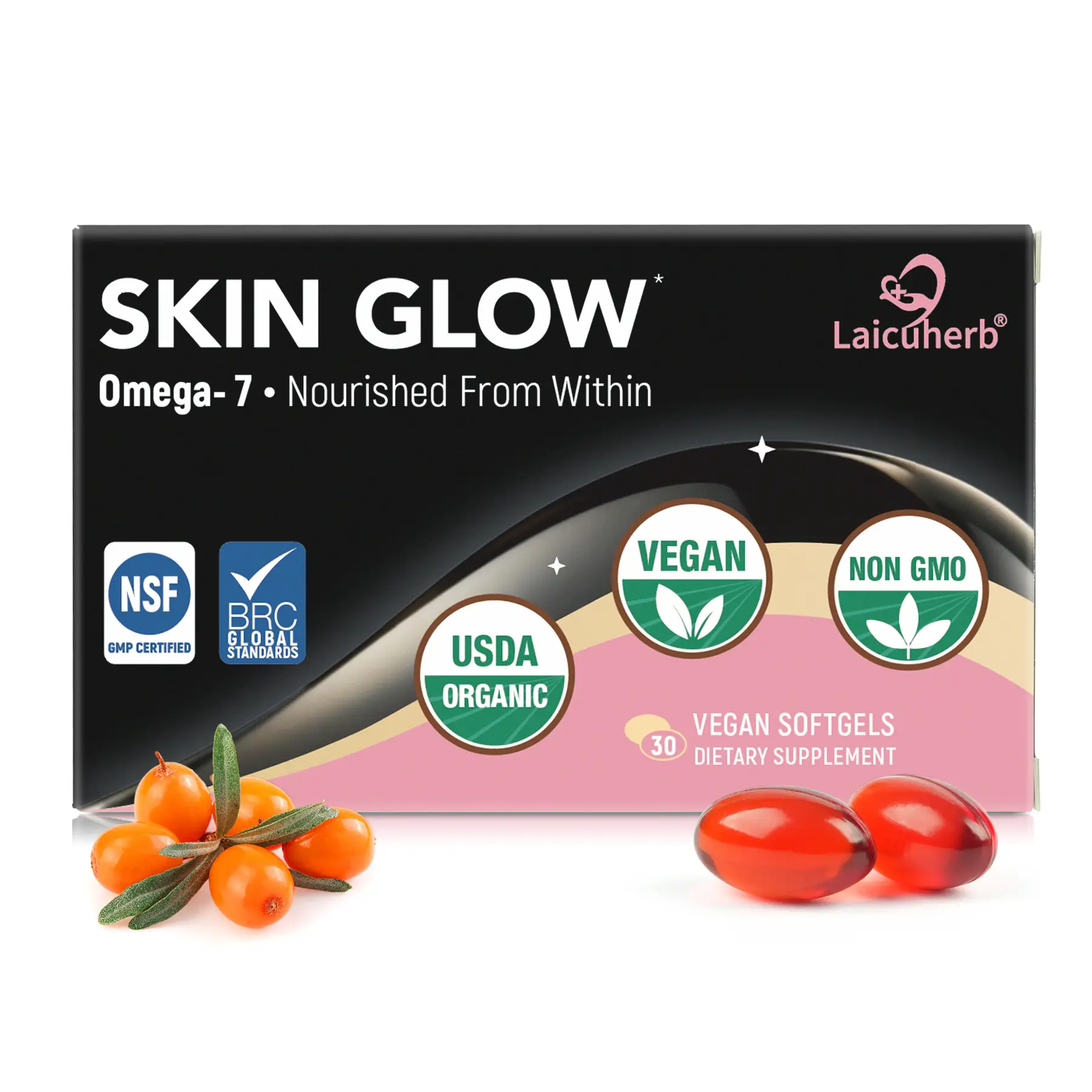
Laicuherb Skin Glow Supplement
Sustain your skin's lipid barrier and glow from within. Features 1000mg organic Himalayan sea buckthorn whole-berry oil per serving, delivering 324mg Omega-7 palmitoleic acid in premium vegan softgels.
Explore Skin Glow Supplement →FAQ
Is the skin glow supplement truly vegan?
Yes, Laicuherb's skin shine supplement is encapsulated in vegan softgels composed of tapioca starch and vegetable glycerin, containing no animal-derived ingredients. It is USDA Organic and HALAL certified.
How long should I take it before assessing results?
Most research on sea buckthorn oil and skin health involves a study period of 8 to 12 weeks. Because individual biology varies, we recommend maintaining a consistent daily routine for at least three months before evaluating personal outcomes. These statements have not been evaluated by the Food and Drug Administration. This product is not intended to diagnose, treat, cure, or prevent any disease.
Are there allergy considerations I should know about?
While the formula is free from gluten, soy, and dairy, individuals with sensitivities to specific herbal compounds should exercise caution. If you are taking anticoagulant medications, it is highly advisable to consult with your physician before starting any new herbal supplement.
Ready to Nourish Your Skin with Laicuherb?
If you are interested in exploring the benefits of a plant-based approach to skin health, Laicuherb's skin glow supplement offers a unique profile of omega-7 and antioxidants. You can learn more about our traceable sourcing and ISO-certified manufacturing on the Skin Glow Supplement product page. For those curious about our extraction methods, our article on the Himalayan Oil process provides additional technical context. If you have questions about how this fits into your current routine, feel free to email our team at hello@laicuherb.com. Taking the first step toward a more mindful wellness ritual is of paramount importance, and we are here to support you!
About the Author

Dr. Sarah Jenkins, MD, FACOG
Dr. Sarah Jenkins is a Board-Certified OB/GYN with a specialized focus on women's hormonal health, menstrual cycle harmony, and the integration of holistic botanical approaches to reproductive wellness and mucosal hydration.
Related Readings
- How Omega 7 Sea Buckthorn Capsules Support Multi-Mucosal Comfort Explore Multi-Mucosal Comfort →
- Why Your Skin Stays Dry Even with Moisturizer and How to Fix Your Barrier Fix Your Skin Barrier →
- How Himalayan Sea Buckthorn Oil Solves Persistent Dryness and Supports Heart Health Understand Heart & Dryness Relief →