Period Tea: When Cramps Need Medical Attention






Each woman's experience of period pain is distinct; thus, being able to understand your body is one of the most valuable skills you can master. Most months, a warm cup of period tea, a heating pad, and some relaxation will get you through the day.
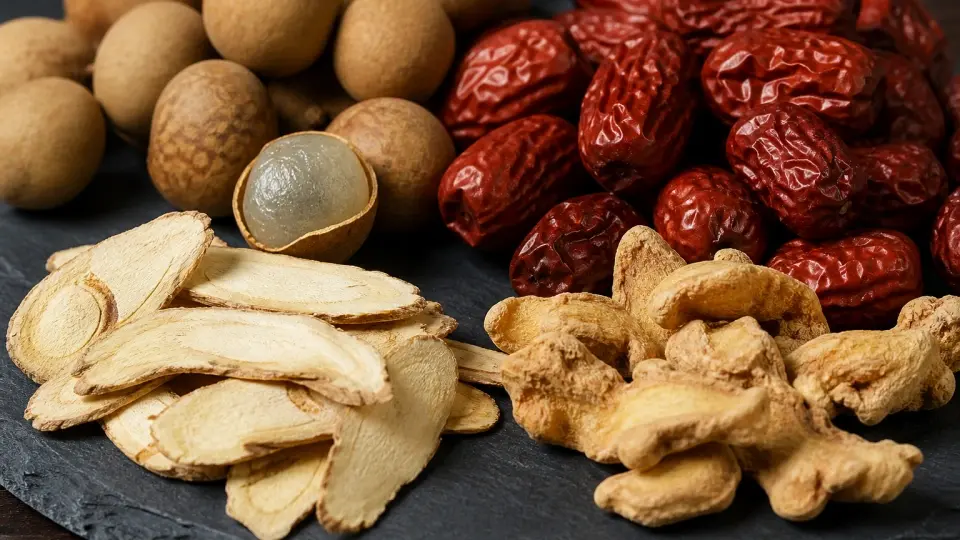
But sometimes menstrual pain diverges sharply from your typical pattern — becoming significantly more intense, lasting longer, or developing symptoms that don't match the regular cycle. This tutorial takes you through how to discern the difference and where a comfort-focused regimen fits in. Laicuherb, the makers of the Ease Period Comfort Tea, have based their combination on mild, food-grade botanicals — longan, red dates, wolfberry, angelica, dried ginger, Pingyin roses, and peony petal — brewed as a warming period tea, not a therapy. Any ingredient list pales in comparison to knowing when a cup of tea is enough and when it's time to contact a doctor.

Quick Answer: Tea Supports Comfort, Not Diagnosis
If you only have a minute: a warming period tea can be a pleasant part of a monthly comfort routine, but it is not a diagnostic tool, and it cannot tell you why your body is reacting the way it is. Ingredients like ginger and warming florals have a long history of traditional use for period-related discomfort, and some, like ginger, have research behind their use for cramping.
Still, comfort and clarity are two different things. A cup of period tea might help you feel warmer, calmer, and less tense during your period, the same way a heating pad or a quiet evening might. What it cannot do is rule anything in or out. If something about your cycle feels genuinely different this month, that question belongs with a clinician, not a beverage.
Common Cramps vs Pain That Disrupts Daily Life
The pattern of normal menstrual cramping is usually relatively predictable: it frequently starts a day or so before bleeding begins, peaks on the first day or two of bleeding, and then progressively eases off as the period progresses. It is typically manageable and highly responsive to rest, warmth, mild movement, or a cup of period tea. It is usually not anything that stops you from going to work, going to sleep, or performing regular activities.
Pain that interferes with everyday living is different. This is pain severe enough to disrupt daily functions, forcing you to stay home. Menstrual cramping that is not relieved by your regular regimen, or discomfort that appears to be growing worse with each cycle, deserves clinical evaluation. The difference isn't about toughness or sensitivity — it's about pattern. Rather than trying to work around what used to be doable but has silently become more difficult to go through, it is worth paying attention to and worth telling your doctor about.
Red Flags: Sudden, Severe, Worsening, or Unusual Symptoms
Some symptoms are not to be observed and waited for, but should have quick medical intervention. These include: sudden, severe pain that strikes sharply, not building gradually; bleeding heavy enough to soak through a pad or tampon every hour for several hours in a row; pain accompanied by fever, dizziness, or fainting; cramping that gets worse over several cycles instead of settling into a pattern; or pelvic pain that occurs outside your period altogether.
These are not issues that a period tea, or any comforting drink, is formulated to address. Rather, they are red flags that warrant prompt clinical evaluation — not because something is inevitably wrong, but because verification is always safer than speculation. If you have any of these together with your normal cramping, it's not unreasonable to call a qualified physician the same day instead of waiting for your next visit.
What a Clinician May Evaluate—Without Self-Diagnosing
When cramping falls outside the ordinary pattern, a clinician has tools that a search engine, a supplement label, or a warm cup of tea simply don't. That might include a pelvic exam, an ultrasound, bloodwork, or a detailed history of your cycle over several months.
These clinical investigations are designed to distinguish primary dysmenorrhea from underlying pelvic pathologies systematically, ensuring you receive correct and timely care. The goal of that visit isn't to hand you a label to research on your own — it's to rule things in or out systematically, with someone trained to interpret what they're seeing. This article isn't going to speculate about what any particular symptom might mean, because that's exactly the kind of self-diagnosis that delays proper care. What matters is recognizing that persistent or unusual pain is a conversation to have with a professional, not a puzzle to solve with home remedies, however comforting a routine as period tea might otherwise be.
Where a Warm Period Tea Fits in a Comfort Routine
Within a normal, unremarkable period, a warm period tea can be a genuinely nice part of the routine. Laicuherb's Ease Period Comfort Tea combines longan, red dates, wolfberry, angelica, dried ginger, Pingyin roses, and peony petals in a blend meant to be brewed and sipped warm during your cycle — nothing more elaborate than that.
It's positioned to help you feel warmer and more relaxed while your body does what it normally does each month, alongside things like rest, gentle stretching, or a heating pad. It's meant for drinking only, not for external use or any other purpose. If you're curious how the blend is put together, or want more detail on sourcing and certification before trying it, the Laicuherb team can be reached directly at hello@laicuherb.com — a useful first stop if you have questions a product label can't answer. As with any comfort routine, it works best as one small, steady habit among several, not a stand-alone fix.
What Period Tea Cannot Replace
It's worth saying plainly: no herbal tea, including period tea, is a substitute for medical evaluation, diagnosis, or treatment. These statements have not been evaluated by the Food and Drug Administration, and Ease Period Comfort Tea, like any herbal wellness tea, is not intended to diagnose, treat, cure, or prevent any disease. That's not a technicality — it reflects a real and important limit.
A comfort routine can help you feel a little warmer and calmer during a hard week. It cannot tell you why cramps have gotten worse, cannot rule out something needing clinical attention, and cannot replace bloodwork, imaging, or a physical exam. If your pain pattern has changed, don't let a comforting routine become a reason to postpone care — the two aren't in competition, and using one doesn't rule out needing the other.
How to Prepare for a Medical Appointment
If you've decided a visit is warranted, a little preparation goes a long way. Track your cycle for a month or two beforehand if you can — start and end dates, pain intensity day by day, and anything unusual like fever, fainting, or bleeding that soaks through protection quickly. Note what, if anything, helps: rest, heat, movement, or a cup of period tea.
Write down any medications or supplements you're currently taking, including over-the-counter pain relief and herbal teas, since your clinician will want the full picture. Bring specific questions rather than a general complaint — for example, asking about the changed pattern of pain rather than simply saying cramps are bad. That kind of detail helps a clinician evaluate you more efficiently and makes the appointment more useful for both of you.
Conclusion
Most periods follow a familiar rhythm, and a warm period tea can be a comforting part of that routine — Laicuherb's Ease Period Comfort Tea is built around longan, red dates, wolfberry, angelica, dried ginger, roses, and peony petals for exactly that purpose. But comfort and clinical evaluation serve different jobs. Sudden, severe, worsening, or unusual symptoms deserve a conversation with a healthcare provider, not a wait-and-see approach or a home remedy. Learning to recognize your own pattern — what's typical for you and what isn't — is the real skill here. Keep a warm cup nearby for the ordinary days, and keep a clinician's number nearby for the days that don't feel ordinary. Both belong in the same routine.
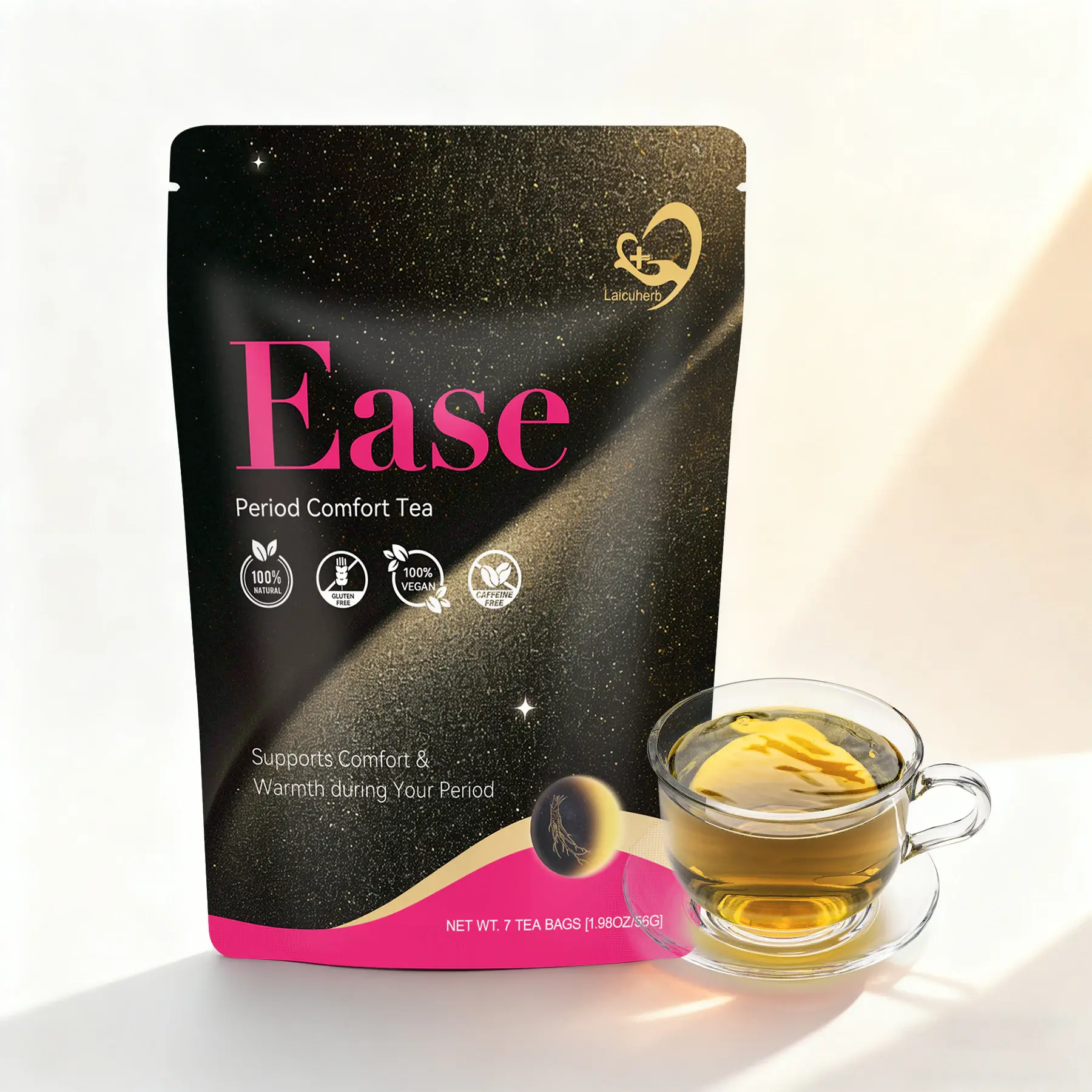
Laicuherb Ease Period Comfort Tea
Crafted to provide gentle, warming comfort for your ordinary days. Features dried ginger, dang gui (angelica), longan, and sweet jujube. Clean sourcing and cGMP certified.
Explore Ease Period Tea →FAQ
1. How heavy is “too heavy” when it comes to period bleeding?
As a general guideline, soaking through a pad or tampon every hour for several consecutive hours, passing large clots, or bleeding that lasts significantly longer than usual are reasons to contact a clinician promptly. A warm period tea or heating pad has no bearing on bleeding volume, so this symptom should always be evaluated directly rather than managed at home.
2. Should fever or fainting during a period be treated as urgent?
Fever alongside pelvic pain, or fainting or severe lightheadedness during your period, are both signals that warrant prompt medical evaluation rather than home care. These symptoms fall outside what any comfort routine, including a period tea habit, is designed to address, so it's best to seek care the same day.
3. What should I do if cramps keep getting worse cycle after cycle?
Persistent pain that keeps worsening over several months, rather than settling into a stable pattern, is worth raising with a healthcare provider even if it hasn't reached emergency levels. Tracking your symptoms beforehand, as outlined above, will help your clinician evaluate the change more accurately.
Try Laicuherb's Ease Period Comfort Tea for Your Ordinary Days
For the ordinary days — the ones where cramping follows its usual pattern — a warm cup can be a small, genuine comfort. Laicuherb's Ease Period Comfort Tea blends longan, red dates, wolfberry, angelica, dried ginger, Pingyin roses, and peony petals into a period tea meant simply to be brewed, sipped, and enjoyed warm during your cycle. It's not a medical product and isn't meant to replace anything a clinician offers — just a gentle, non-medical addition to a comfort routine. You can find it here: Ease Period Comfort Tea. Questions about ingredients, sourcing, or certification? Reach the Laicuherb team directly at hello@laicuherb.com.
Related Readings
- Is Period Cramp Tea Fast Shipping the Solution to Monthly Discomfort Find Period Cramp Tea →
- Top 5 Reasons to Choose Premium Menstrual Relief Tea Online Shop Read Menstrual Relief Guide →
- Effective Home Remedies for Managing Period Pain Naturally Explore Home Pain Remedies →