Omega-7 Supplement vs Omega-3: Which One Do You Need?






Have you ever stood in front of the supplement shelf, comparing one bottle of omega-3 with another labeled omega-7, and wondered whether they are supposed to do the same thing? The names sound related, but the details on the label can point in very different directions. One may list EPA and DHA. Another may list palmitoleic acid and sea buckthorn oil.
That difference matters. An omega-7 supplement and an omega-3 supplement are not interchangeable, and choosing between them usually comes down to the health goal you have in mind—not which label sounds more impressive. The right place to start is with the fatty acid itself, its food source, the evidence behind it, and what the product actually contains.
This guide compares the two in plain language. It also looks at Laicuherb Omega 7 Sea Buckthorn Oil Capsules, made with whole sea buckthorn berry oil in vegan softgels, so you can understand where this product fits and where its claims should stop.

Quick Answer: Omega-7 and Omega-3 Are Different Fatty-Acid Families
Omega-3 and omega-7 are different types of fatty acids with different nutritional roles. Omega-3 includes ALA, EPA, and DHA. ALA is an essential fatty acid, which means the body cannot make enough of it and must obtain it from food. EPA and DHA are found mainly in fatty fish, algae, and fish-oil or algal-oil supplements.
Omega-7 usually refers to palmitoleic acid, a monounsaturated fatty acid found in foods such as sea buckthorn berries and macadamia nuts. The body can produce palmitoleic acid, so it is not considered essential in the same way as omega-3. Research on omega-3 is broader and more established, particularly for EPA and DHA. Research on omega-7 is smaller and has examined areas such as skin, mucosal comfort, and selected metabolic markers.
So the useful question is not “Which omega is better?” It is “What nutritional gap am I trying to address?” An omega-3 supplement may make sense for someone focused on EPA and DHA intake. An omega-7 supplement made from sea buckthorn may appeal to someone looking for a plant-based source of palmitoleic acid and other berry-oil compounds. Neither one automatically replaces the other.
What Omega-3 Is
Omega-3 is a group of polyunsaturated fatty acids that includes alpha-linolenic acid (ALA), eicosapentaenoic acid (EPA), and docosahexaenoic acid (DHA). ALA is found in flaxseed, chia seeds, walnuts, and some plant oils. EPA and DHA are found in fatty fish, seafood, and algae.
The body can convert some ALA into EPA and DHA, but clinical pharmacology indicates that this conversion of alpha-linolenic acid to longer-chain polyunsaturated fatty acids is highly limited and varies between individuals [6]. That is why people who want direct EPA or DHA intake generally look to fatty fish, fish oil, or algal oil rather than relying only on ALA-rich foods.
Omega-3 has been studied for decades. Research has examined EPA and DHA in relation to cardiovascular health, triglyceride levels, brain tissue, retinal tissue, and inflammatory signaling. Some cardiovascular findings apply to specific populations, doses, or prescription products, so they should not be used as a blanket promise for every omega-3 capsule on the market [4][5]. The form of omega-3, the dose, the person taking it, and the reason for taking it all matter. This context is important when comparing an omega-7 supplement with omega-3. Omega-3 is generally chosen for EPA and DHA. Omega-7 is chosen for a different fatty acid profile.
What Omega-7/Palmitoleic Acid Is
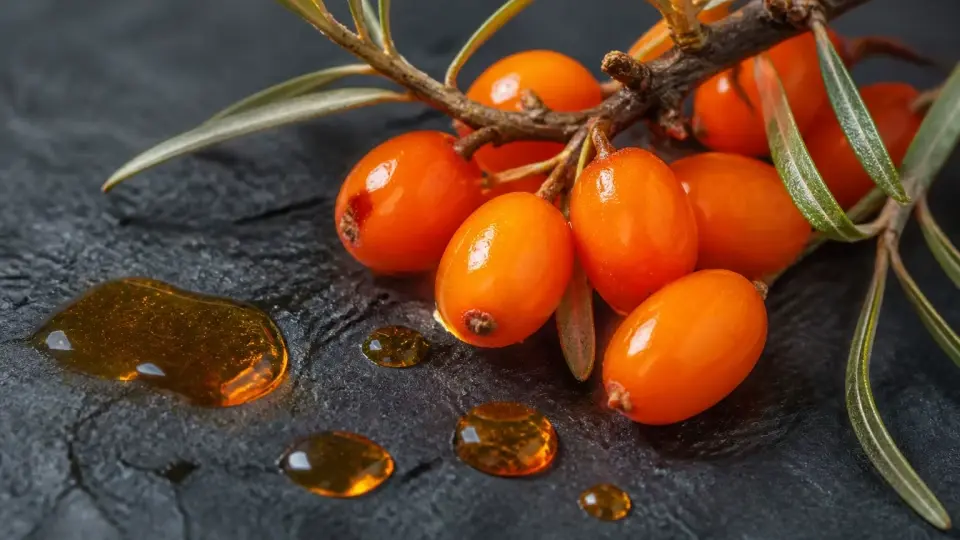
Omega-7 most commonly refers to palmitoleic acid, a monounsaturated fatty acid that plays a key structural role in cellular membrane hydration. It occurs naturally in sea buckthorn berries, macadamia nuts, and smaller amounts of some animal foods. Unlike ALA, palmitoleic acid can be produced by the body from other fatty acids, so it is not an essential fatty acid.
Sea buckthorn is different from a purified palmitoleic acid isolate because the whole berry contains more than one active component. Research on the fatty acid composition of lipids in sea buckthorn berries indicates that seed and pulp oils differ significantly [1]. Sea buckthorn oil may also provide other fatty acids, carotenoids, vitamin E, plant sterols, and additional berry compounds. The exact profile depends on the part of the berry used, the extraction method, and the finished product.
Laicuherb Omega 7 Sea Buckthorn Oil Capsules provide 1,000 mg of organic sea buckthorn oil per two-softgel serving, including 324 mg of palmitoleic acid, according to the product information supplied for this article. The oil is obtained from the whole berry using low-temperature supercritical CO2 extraction. The vegan softgels use tapioca starch and vegetable glycerin rather than fish-derived gelatin. That makes the product relevant to people who are specifically looking for a plant-based omega-7 supplement. It does not make the product an omega-3 replacement, and it does not turn preliminary research into a guaranteed result.
Comparison Table: Sources, Research, and Supplement Forms
The table below puts omega-3 and omega-7 side by side. It is a starting point for reading labels, not a substitute for checking the exact product and serving size.
| Dimension | Omega-3 | Omega-7 (Palmitoleic Acid) |
|---|---|---|
| Primary ingredient | Polyunsaturated fatty acids (ALA, EPA, DHA) | Monounsaturated fatty acid (mainly palmitoleic acid) |
| Essential? | ALA is essential; EPA/DHA obtained from food or supplements | The body can synthesize palmitoleic acid |
| Main food sources | Fatty fish, algae, flaxseed, chia seeds, walnuts | Sea buckthorn berries and macadamia nuts |
| Main research areas | Cardiovascular health, triglycerides, brain and retinal tissue | Skin, mucosal comfort, and selected metabolic markers |
| Common supplement forms | Fish oil, algal oil, and flaxseed oil | Sea buckthorn oil capsules, macadamia oil |
| Label details to check | EPA and DHA amounts, source, serving size, and testing | Palmitoleic acid amount, sea buckthorn source, extraction |
| Evidence position | Larger and more established research base | Smaller and still developing research base |
A few label details are easy to miss. Omega-3 products often list EPA and DHA separately because the amounts can differ widely. Omega-7 products may list the total sea buckthorn oil and the amount of palmitoleic acid separately. Comparing only the total milligrams per capsule can be misleading when the oils and active components are different. Looking for the source, the serving size, the extraction method, and any available batch testing tells you more than the word “omega” on the front of the bottle.
What Evidence Supports—and What Remains Uncertain
Omega-3 has the deeper evidence base. Randomized trials and meta-analyses have studied marine omega-3s in relation to cardiovascular outcomes and triglyceride reduction, particularly in defined higher-risk groups or at higher doses. Large studies such as the updated meta-analysis of 13 RCTs on marine omega-3 [4] and the REDUCE-IT cardiovascular risk trial [5] support careful, specific claims. They do not mean that every over-the-counter omega-3 product will produce the same result for every person.
Omega-7 research is more limited. A randomized study of sea buckthorn oil reported that oral sea buckthorn oil attenuates tear film evaporation and dry-eye symptoms [2]. A small double-blind trial of purified palmitoleic acid at 220 mg per day also examined high-sensitivity C-reactive protein and serum lipid markers [3], demonstrating significant changes in CRP and lipids. These studies are useful pieces of evidence, but they are not large trials proving that omega-7 prevents cardiovascular disease, replaces omega-3, or guarantees relief from dryness.
The distinction is worth keeping clear. Omega-7 may be relevant to skin and mucosal comfort because sea buckthorn oil contains palmitoleic acid and other lipid-soluble compounds. Omega-3 may be relevant when the goal is direct intake of EPA or DHA. Current evidence does not support treating one as a universal substitute for the other.
Can They Be Used Together?
For many adults, omega-3 and omega-7 can fit into the same overall supplement routine because they provide different fatty acid profiles. The fact that they are both called “omega” does not mean they duplicate each other. Sea buckthorn oil itself may contain small amounts of omega-3, omega-6, and omega-9 alongside omega-7, but the amount and form are not equivalent to a dedicated EPA or DHA supplement.
Whether combining them makes sense depends on the rest of your diet and the reason you are taking them. Someone who eats fatty fish regularly may already get substantial EPA and DHA. Someone following a vegan diet may look to algal oil for omega-3 and sea buckthorn oil for plant-based omega-7.
Medication context matters as well. If you take anticoagulants or antiplatelet medication, have a bleeding disorder, are pregnant or breastfeeding, or manage a chronic health condition, speak with a doctor or pharmacist before adding a new fatty acid supplement. A product label cannot account for your full medical history. Choosing an omega-7 supplement does not mean giving up omega-3, and choosing omega-3 does not make omega-7 irrelevant. They answer different questions.
How to Choose Based on Goal, Diet, and Medication Context
Start with the goal rather than the ingredient trend. If you are looking for EPA and DHA intake or are discussing triglyceride management with a healthcare professional, omega-3 is the category with the larger research base. Fatty fish, fish oil, and algal oil are common sources, depending on your dietary preferences.
If your focus is a plant-based source of palmitoleic acid, or you are exploring nutritional support for skin and mucosal comfort, a sea buckthorn-based omega-7 supplement may be the better category to investigate. Laicuherb’s whole-berry sea buckthorn oil also contains omega-3, omega-6, omega-9, vitamin E, and vitamin A, but those additional nutrients should be understood as part of the oil’s profile—not as proof that it replaces a dedicated omega-3 product.
Diet is the next filter. People who eat fish several times a week may approach omega-3 differently from people who avoid fish. Vegans and vegetarians may prefer algae-based omega-3 and plant-based sea buckthorn oil. The final filter is medication and health status. A doctor or pharmacist can help you check whether a supplement fits your current routine. A sensible rule is simple: choose the fatty acid family that matches your primary goal, read the full label, check the source and testing information, and avoid expecting one capsule to cover every nutritional need.
Conclusion
Omega-3 and omega-7 are different fatty acid families with different food sources, research histories, and supplement forms. Omega-3 includes essential ALA and the marine or algal fatty acids EPA and DHA, which have been studied extensively for cardiovascular and other areas of health. Omega-7 usually refers to palmitoleic acid, a monounsaturated fatty acid found in sea buckthorn and other foods. Its research into skin, mucosal comfort, and metabolic markers is promising in places but still limited.
You may be able to use both, but the decision should be based on your goal, diet, medication context, and the exact product label. Laicuherb Omega 7 Sea Buckthorn Oil Capsules offer whole-berry sea buckthorn oil in vegan softgels, with batch-traceable quality documentation supplied for the product. They are a plant-based source of omega-7, not a replacement for EPA or DHA.
If dryness comfort or a vegan source of palmitoleic acid is your priority, an omega-7 supplement made from sea buckthorn may be worth investigating. If your goal is direct EPA and DHA intake, look closely at an omega-3 product instead. The label should make that distinction clear.
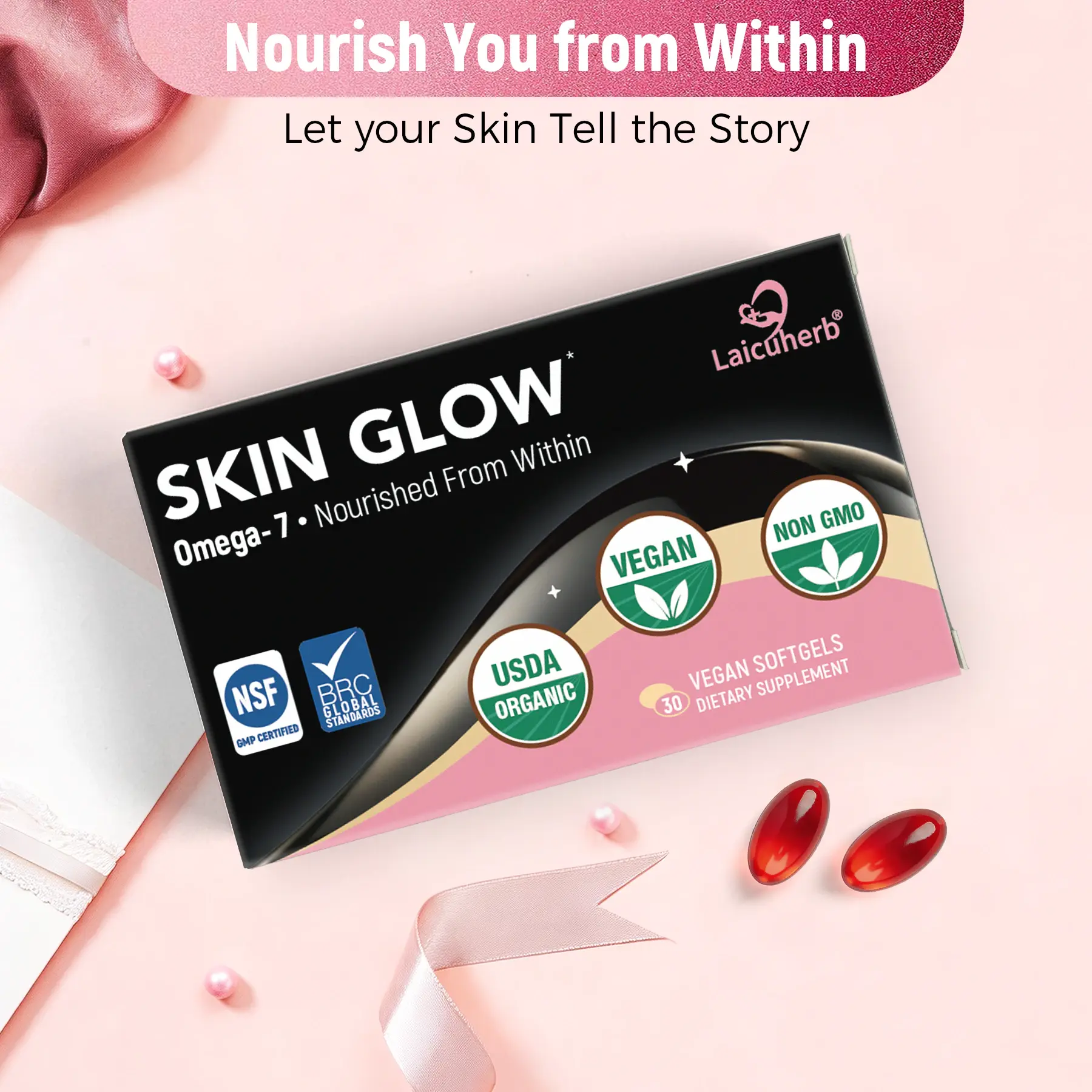
Laicuherb Skin Glow Supplement
Sustain your skin's lipid barrier and glow from within. Features 1000mg organic Himalayan sea buckthorn whole-berry oil per serving, delivering 324mg Omega-7 palmitoleic acid in premium vegan softgels.
Explore Skin Glow Supplement →FAQ
1. Is Laicuherb's Omega-7 supplement vegan?
Yes. According to the product information supplied for this article, the softgels are made with tapioca starch, vegetable glycerin, and purified water. The oil comes from organic sea buckthorn fruit, and the product contains no fish-derived ingredients. It is intended for vegan and vegetarian routines. Always check the current product label for the latest formulation and certification details.
2. How does it differ from fish oil?
Fish oil is an omega-3 product that typically provides EPA and DHA. Laicuherb's sea buckthorn oil capsules are an omega-7 product made from the whole berry. They provide palmitoleic acid along with other fatty acids and fat-soluble compounds naturally present in sea buckthorn oil. The two products serve different nutritional purposes and should not be described as interchangeable.
3. What about dosage and testing?
The product information supplied for this article lists two softgels per serving, providing 1,000 mg of organic sea buckthorn oil and 324 mg of palmitoleic acid, with 30 servings per bottle. It also states that batches are tested for heavy metals, pesticides, and microbiological contaminants, and identifies the product as USDA Organic, Vegan, Non-GMO, and NSF cGMP Certified. These statements have not been evaluated by the Food and Drug Administration. This product is not intended to diagnose, treat, cure, or prevent any disease. Check the current label and available batch documentation before use, since product specifications can change.
Try Laicuherb Omega-7 Capsules and Explore the Himalayan Oil Story
If an omega-7 supplement now fits the question you are trying to answer, Laicuherb Omega 7 Sea Buckthorn Oil Capsules are a plant-based option to review. Visit the product page to check the current label, serving information, extraction details, and certification documents. For a closer look at the ingredient, read the Himalayan Sea Buckthorn Oil education page on laicuherb.com, which explains the berry’s source and how the oil is produced.
Questions about the ingredient, the serving size, or the batch documentation can be sent to hello@laicuherb.com. Start with your goal, then let the full label—not the front-panel hype—guide the decision.
About the Author

Dr. Sarah Jenkins, MD, FACOG
Dr. Sarah Jenkins is a Board-Certified OB/GYN with a specialized focus on women's hormonal health, menstrual cycle harmony, and the integration of holistic botanical approaches to reproductive wellness and mucosal hydration.
Related Readings
- How Omega 7 Sea Buckthorn Capsules Support Multi-Mucosal Comfort Explore Multi-Mucosal Comfort →
- Why Your Skin Stays Dry Even with Moisturizer and How to Fix Your Barrier Fix Your Skin Barrier →
- How Himalayan Sea Buckthorn Oil Solves Persistent Dryness and Supports Heart Health Understand Heart & Dryness Relief →