Luteal Phase Tea: PMDD vs PMS and When Tea Is Not Enough






The days after ovulation can feel different before you can explain why. Sleep becomes harder to protect. Small tasks take more effort. Irritability, low mood, bloating, or cravings arrive on a schedule that is easy to notice and hard to dismiss.
That pattern deserves more than a vague promise about “balancing” your cycle. PMS and PMDD are not interchangeable terms, and a warm drink cannot answer every version of the problem. This guide separates what the terms mean, how clinicians look at timing and functional impact, and where a luteal phase tea can reasonably fit as an evening comfort ritual.
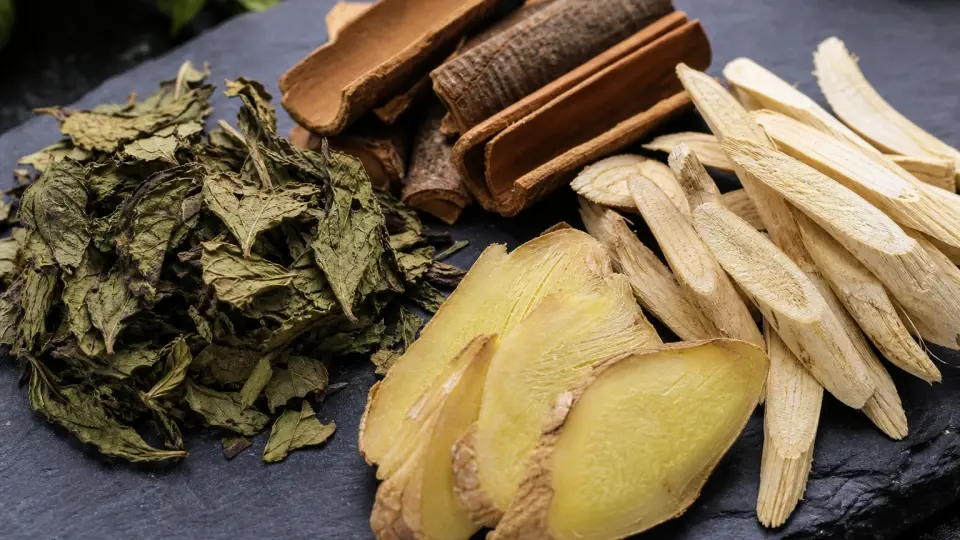
Laicuherb Rest Calm & Sleep Tea is a naturally caffeine-free herbal blend positioned for the luteal phase. Each pack contains 10 individually wrapped 8 g bags. The supplied product information lists spearmint, cinnamon, ginger, lemongrass, ashwagandha, nettle leaf, raspberry fruit, and Radix Asparagi, along with a COA and cGMP quality documentation and the stated manufacturing and quality information. Those details describe the product. They do not make the tea a diagnostic or treatment tool.

Quick Answer: PMDD Is Not Simply “Severe PMS”
PMDD and PMS both follow a premenstrual pattern, but PMDD is not just a more dramatic label for an uncomfortable week. PMDD is a defined psychiatric condition with specific symptom and impairment criteria [1]. The DSM-5-TR requires at least five symptoms, including at least one core mood symptom, recurring during most menstrual cycles and causing clinically significant distress or interference with daily life. A clinician also needs to consider whether another condition better explains the symptoms.
PMS can involve physical, emotional, and behavioral symptoms that are uncomfortable or disruptive without meeting the full criteria for PMDD. The distinction is not made by how bad one day feels. It is made by the pattern across cycles, the symptom profile, and the degree to which work, study, relationships, or basic routines are affected.
A warm luteal phase tea may be a comforting part of an evening. It cannot diagnose PMDD, remove severe mood symptoms, or replace professional care. Knowing that boundary protects the reader and makes the ritual more useful—not less.
What Happens During the Luteal Phase
The luteal phase begins after ovulation and ends when menstruation starts. Its length varies, but it is often described as roughly two weeks. During this phase, ovarian hormones change as part of a normal cycle. Current explanations of PMS and PMDD focus less on an abnormal hormone level and more on how some people respond to normal cyclical changes, according to Office on Women's Health (OWH) premenstrual symptom patterns [2].
This is why two people can move through the same hormonal phase and report very different experiences. Mood, sleep, appetite, energy, pain, and concentration can all shift, but the pattern is personal. A simple calendar can show whether symptoms reliably appear before menstruation and ease after bleeding begins.
The luteal phase is also when a planned evening routine can become practical. Brewing a caffeine-free herbal tea gives the day a clear stopping point. That may feel grounding when sleep or patience is already harder to protect. It is a routine cue, not evidence that the tea has changed the underlying cycle.
Common PMS Symptoms and Their Timing
PMS symptoms often recur in the days before menstruation and improve after the period begins. The possible list is broad: bloating, breast tenderness, headaches, muscle or joint aches, fatigue, food cravings, irritability, anxiety, low mood, trouble concentrating, and sleep changes are all commonly reported [2][4]. One person may notice mostly physical symptoms. Another may notice mood and sleep first.
Timing is part of the information. A symptom that appears predictably before menstruation and eases soon after the period starts tells a different story from a symptom that persists throughout the month. PMS can still be genuinely difficult, even when it does not meet PMDD criteria. “Not PMDD” should never be used to mean “not real.”
A luteal phase tea can fit here as a nightly comfort ritual. The warmth, flavor, aroma, and repeated preparation may help mark the transition from activity to rest. It is reasonable to describe that experience as comfort or relaxation support. It is not reasonable to promise that a cup will stop cramps, correct mood changes, or make the cycle symptom-free. Tracking symptoms against the cycle calendar turns a frustrating surprise into information you can bring to a healthcare visit. It may also help you plan lighter evenings without pretending that planning solves the medical question.
How PMDD Differs in Severity and Daily Impact
PMDD shares the timing of PMS but has a more specific and more impairing pattern. Symptoms can include marked irritability or anger, depressed mood or hopelessness, anxiety or tension, sudden mood shifts, reduced interest in usual activities, concentration problems, fatigue, appetite changes, and sleep changes. Physical symptoms can occur too, as documented in comprehensive clinical reviews on premenstrual dysphoric disorder [3].
The deciding issue is not whether the person is “overreacting.” It is whether the symptoms recur in the premenstrual phase, improve after menstruation begins, and create significant distress or interfere with work, relationships, study, or daily functioning. PMDD can resemble depression or an anxiety disorder, but those conditions may not follow the same cycle-linked pattern. A clinician needs to assess the whole picture rather than relying on a label found online.
If mood symptoms include hopelessness, thoughts of self-harm, or a feeling that you are not safe, this is no longer a tea-selection question. Seek urgent help. In the United States, call or text 988; if there is immediate danger, call emergency services. Outside the United States, use your local emergency number or crisis service. A luteal phase tea may sit beside an evidence-based care plan as a comfort ritual. It should never be presented as the care plan for PMDD.
Why Symptom Tracking Matters
There is no single blood test or scan that diagnoses PMS or PMDD. Clinicians look for a recurring symptom pattern, its severity, its effect on daily life, and whether another condition could be contributing. Prospective daily records over at least two cycles are commonly used because they capture symptoms as they happen rather than relying only on memory, according to standard approaches for diagnosing and managing premenstrual syndrome symptoms [4]. Tools such as the Daily Record of Severity of Problems can help organize those notes.
Record mood, irritability, anxiety, sleep, energy, appetite, physical symptoms, and how each symptom affects work or relationships. Note the first day of bleeding and the days when symptoms ease. You can also record comfort rituals, including whether a caffeine-free tea helped you create a calmer bedtime routine. That note is useful as personal context, not as proof that the tea treated a symptom.
Tracking can also expose patterns that do not fit PMS or PMDD. Thyroid conditions, depression, anxiety disorders, sleep problems, medication effects, and perimenopause can overlap with premenstrual complaints. Bring the record to a qualified healthcare professional rather than trying to diagnose yourself from a symptom list.
Where a Luteal Phase Tea Fits as a Ritual
This is the sensible place for a luteal phase tea: beside an ordinary evening routine, not in the role of a prescription. Laicuherb Rest Calm & Sleep Tea is positioned for the stretch between ovulation and menstruation and is naturally caffeine-free. The supplied product details describe 10 individually wrapped 8 g bags and a blend that includes spearmint, cinnamon, ginger, lemongrass, ashwagandha, nettle leaf, raspberry fruit, and Radix Asparagi.
Spearmint and cinnamon give the cup a minty, warming character. Ginger is traditionally used in many herbal practices for digestive comfort. Lemongrass adds a bright aroma. Those descriptions belong to taste, tradition, and everyday comfort. They should not be rewritten as claims that the blend treats PMS, PMDD, insomnia, anxiety, or hormonal changes.
Ashwagandha research has examined particular standardized extracts in specific settings, such as Ashwagandha root extract research in sleep and anxiety support [6]. Those findings cannot be transferred automatically to a finished tea blend with different ingredients, preparation, dose, and evidence. The same rule applies to every other herb in the sachet.
To use the ritual simply, steep one bag according to the current product instructions and choose an evening time you can repeat. Dim the lights, put the phone down, and let the preparation act as a cue to slow the day. If you are pregnant, breastfeeding, taking medication, managing a health condition, or unsure whether an ingredient is appropriate for you, ask a healthcare professional before using an herbal blend. For questions about the current ingredients or quality documents, contact Laicuherb at hello@laicuherb.com before ordering.
Conclusion
PMS and PMDD share a cycle-linked timing, but they are not the same question. PMS can bring real physical, emotional, and behavioral symptoms. PMDD involves a defined pattern of symptoms, significant distress or functional impairment, and clinical evaluation. Symptom tracking across cycles helps make that difference visible.
Laicuherb Rest Calm & Sleep Tea belongs on the comfort side of that line. It is a naturally caffeine-free herbal blend positioned for the luteal phase, with 10 individually wrapped 8 g bags and the ingredient and quality information supplied for this article. It can offer a warm, repeatable evening ritual. It cannot diagnose PMDD, treat severe mood symptoms, or replace professional support.
That is not a weak product story. It is a usable one. Care for the evening when a simple ritual helps, and seek qualified help when symptoms begin to control your safety or daily life.
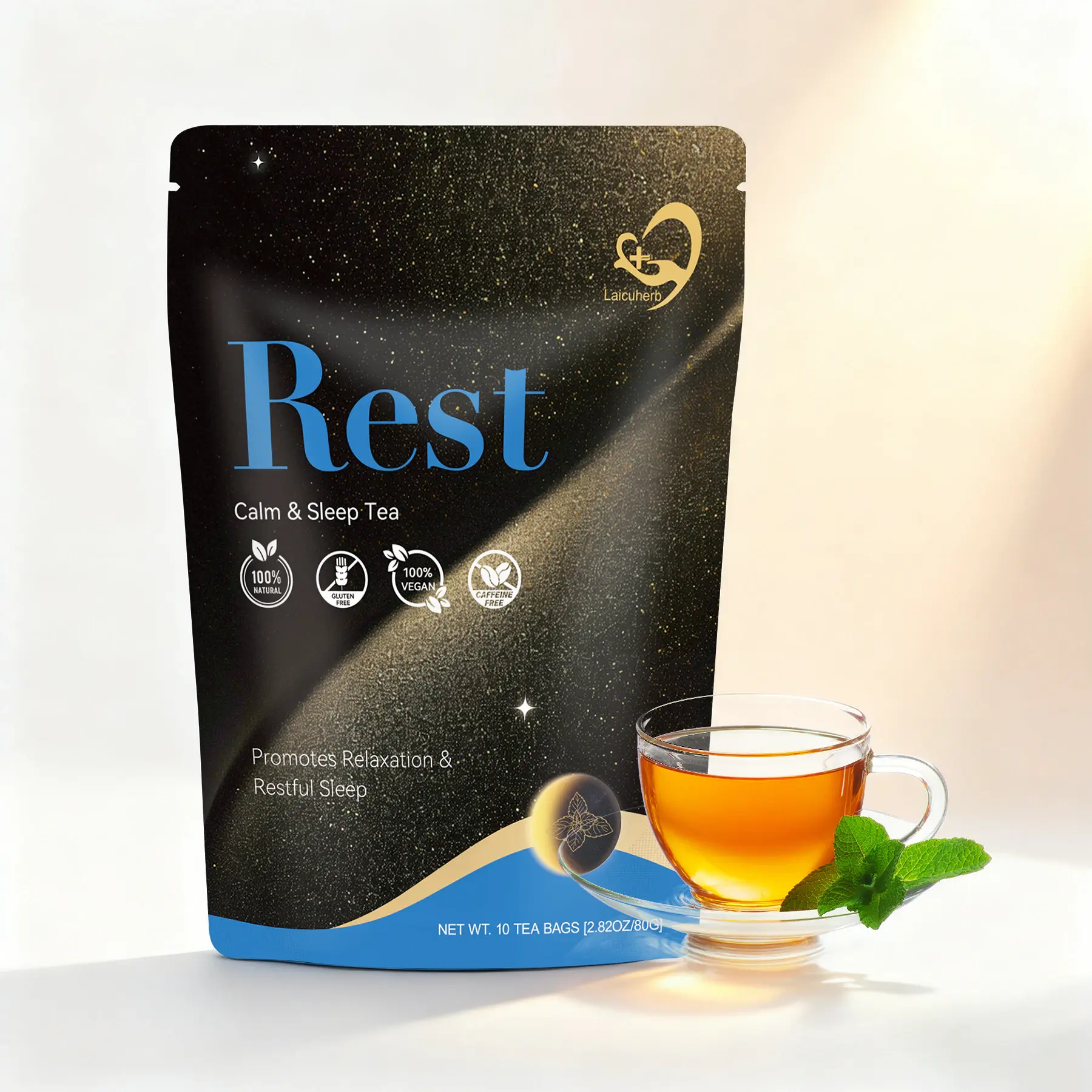
Laicuherb Rest Calm & Sleep Tea
Soothe your premenstrual window with a decaf evening ritual. Blended with spearmint, warming cinnamon, ginger, lemongrass, ashwagandha, nettle, raspberry fruit, and Radix Asparagi. Stored in heavy-gauge barrier foil.
Explore Rest Calm Tea →FAQ
Q1: Can a luteal phase tea diagnose or treat PMDD?
No. A tea cannot diagnose PMDD, and no finished tea blend should be marketed as a treatment for it. Diagnosis requires a qualified healthcare professional to assess the symptom pattern, functional impact, other possible conditions, and prospective records across cycles [1]. Rest Calm & Sleep Tea is a naturally caffeine-free herbal beverage intended for evening comfort.
Q2: How do I know if my premenstrual mood symptoms are more than PMS?
Look at the pattern and the impact. If irritability, hopelessness, anxiety, mood changes, or loss of interest recur before menstruation and interfere with work, relationships, study, or daily routines, track them each day for at least two cycles and bring the record to a healthcare professional. Do not use a checklist alone to diagnose PMDD [1][3].
Q3: What should I do when poor sleep and low mood before my period feel overwhelming?
If you have thoughts of self-harm or suicide, feel unable to stay safe, or face immediate danger, seek urgent help now. In the United States, call or text 988; call emergency services if there is immediate danger. Elsewhere, use your local crisis or emergency service. If the symptoms are not an immediate crisis but repeatedly disrupt your life, contact a healthcare professional soon. Evidence-based treatment options exist, and a tea should not be used as a substitute for evaluation or care [3][5].
Ready for Gentler Luteal Evenings? Laicuherb Is Here
If your premenstrual week calls for a calmer evening routine—not a promise to erase a medical condition—Laicuherb Rest Calm & Sleep Tea is designed as a naturally caffeine-free luteal phase tea. Each pack contains 10 individually wrapped 8 g bags, and the supplied product information lists a blend including spearmint, cinnamon, ginger, lemongrass, ashwagandha, nettle leaf, raspberry fruit, and Radix Asparagi.
These statements have not been evaluated by the Food and Drug Administration. This product is not intended to diagnose, treat, cure, or prevent any disease. Review the current ingredient list, preparation guidance, and available quality documents before ordering. For questions about the product or batch documentation, contact hello@laicuherb.com. If your symptoms affect your safety or ability to function, contact a healthcare professional or crisis service first. A cup can be part of a gentler evening. It should never be the only plan.
About the Author

Dr. Sarah Jenkins, MD, FACOG
Dr. Sarah Jenkins is a Board-Certified OB/GYN with a specialized focus on women's hormonal health, menstrual cycle harmony, and the integration of holistic botanical approaches to reproductive wellness and mucosal hydration.
Related Readings
- Best Herbal Tea for Energy: Pure Energy & Refreshing Tea Review Read Pure Energy Tea Review →
- A Phase-by-Phase Guide to Buy Cycle Tea Set Read the Cycle Syncing Guide →
- What Makes a Functional Cycle Tea Set Different? Understand Functional Cycle Tea Set →