2026 Review: Which Sea Buckthorn Oil Is the Best Choice






Think of Sea Buckthorn not just as a moisturizer, but as a liquid multivitamin for your skin's surface, packed with rare nutrients that deliver intense healing, hydration, and protection. However, that natural potency brings a very real practical concern: the fear of staining your favorite white pillowcases with its signature neon hue.
In this 2026 Annual Review: From The Ordinary to Sibu, Which Sea Buckthorn Oil Is the Best Choice, we explore which sea buckthorn oil is the best choice for your skin. By the end, you will know exactly how to select the best sea buckthorn oil for face care that gives you the glow without the mess.
Berry Oil vs. Seed Oil
If you've ever opened a bottle of Sea Buckthorn oil expecting a neon orange treatment but found a pale yellow liquid instead, you haven't necessarily been scammed. You likely just purchased a different part of the plant. Just like an orange has distinct nutrients in the peel versus the pulp, the Sea Buckthorn shrub produces two completely different oils: one from the tiny black seeds and one from the fleshy fruit. Understanding this distinction is the single most important factor in choosing the right product for your skin goals.
Berry Oil (often labeled as Fruit Oil) acts as the "zest" of the plant---intense, concentrated, and undeniably orange. This deep color comes from carotenoids, the same antioxidants found in carrots, but the real star here is the rare Omega-7 (Palmitoleic acid). This specific fatty acid is famous for skin repair and regeneration, making the berry oil ideal for healing damaged skin barriers or tackling signs of aging. It is thicker, richer, and yes, it will stain your pillowcase if you aren't careful.
Conversely, the Seed Oil functions more like the "juice." It is generally a pale yellow and has a lighter, "dry oil" texture that absorbs rapidly without leaving a tint. While it lacks the regenerative Omega-7 punch, it is packed with traditional Omega-3 and Omega-6 fatty acids. This makes the seed oil fantastic for general daily hydration and maintaining elasticity, particularly for those who want the moisture benefits without the mess of the fruit oil.
The Breakdown:
Berry Oil: Deep Orange | High Omega-7 | Best for: Anti-aging, heavy repair, and deep nourishment.
Seed Oil: Pale Yellow | High Omega-3 & 6 | Best for: Daily moisture, acne-prone skin, and daytime wear.
Knowing which part of the plant you need is step one, but how the brand gets that oil out of the berry matters even more. The extraction method determines if your oil is a nutrient bomb or just expensive grease.
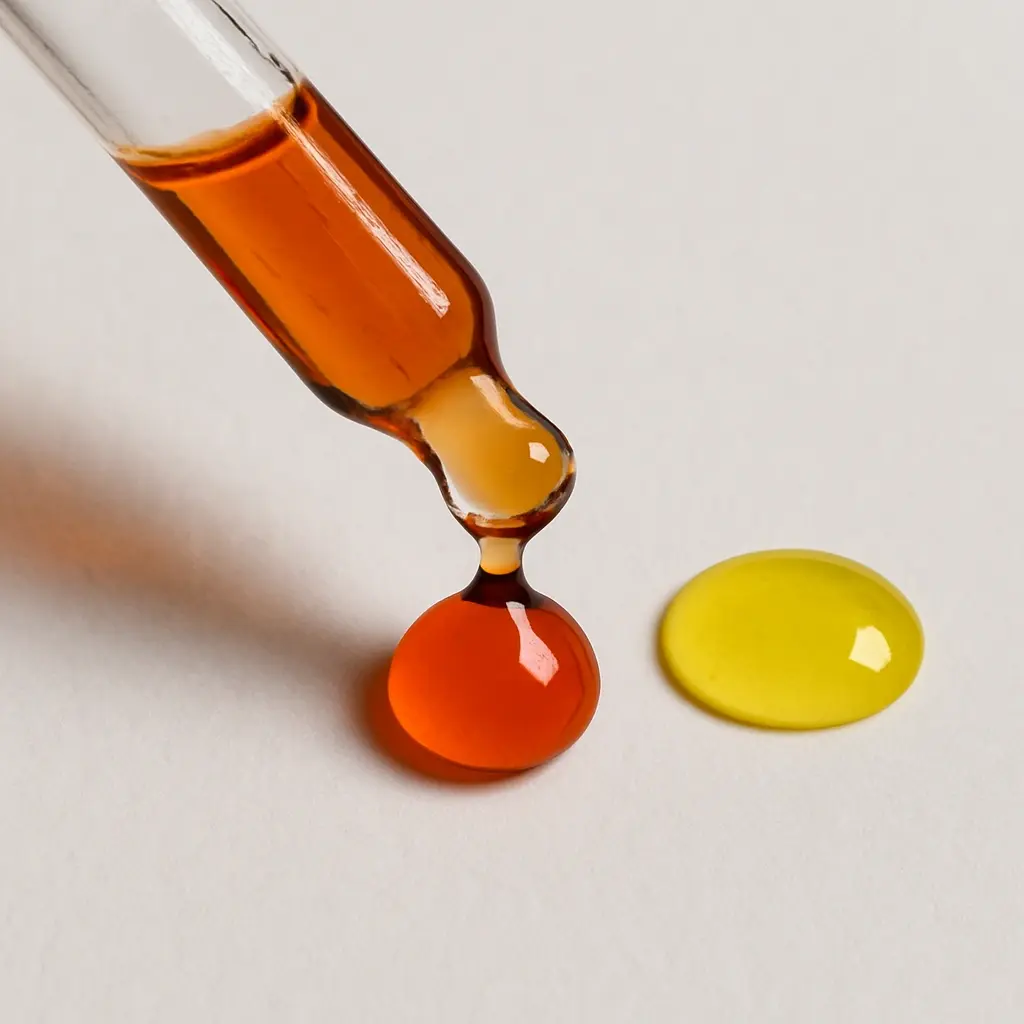
Pictured: a sea buckthorn berry oil dropper organic bottle showing the color contrast.
Why CO2-Extracted Oils Beat Cold-Pressed for Nutrients
Imagine buying expensive, fresh-squeezed orange juice only to find out it had been boiled before bottling; the flavor might remain, but the vitamins would be long gone. This scenario plays out constantly in skincare manufacturing. While "cold-pressed" is the gold standard for durable ingredients like olives or almonds, Sea Buckthorn berries are incredibly delicate. Traditional pressing methods involve friction and exposure to oxygen, which can degrade the fragile antioxidants and Omega fatty acids before the product even leaves the factory. If you are investing in skin repair, you need those nutrients to be alive and active, not cooked out during processing.
To solve this freshness problem, top-tier brands use "Supercritical CO2 Extraction." Despite the intimidating name, this is essentially just a gentle way of using pressurized carbon dioxide---air---to pull the oil from the plant without using heat or harsh chemical solvents. Think of it like a high-tech vacuum that extracts the oil in a sealed, cool environment. This method ensures that the final product is virtually identical to the raw plant, preserving the full potency of the vitamins and color. When you compare supercritical CO2 extraction vs cold-pressed oils, the CO2 version almost always offers a longer shelf life and a more vibrant nutrient profile.
However, the high cost of CO2 processing often leads consumers to hunt for bargains, hoping to find that same quality without the fifty-dollar price tag. One brand has famously disrupted this market by offering pure organic cold-pressed sea buckthorn oil---and fruit oil blends---at a shockingly low price point. But does a ten-dollar bottle from The Ordinary actually deliver the goods, or is it too good to be true?
The Ordinary Sea Buckthorn Fruit Oil: Is the $10 Price Tag Too Good to Be True?
Seeing a $10 price tag on an ingredient that usually costs four times that amount naturally invites skepticism. The Ordinary has built its reputation on stripping away marketing fluff, and their 100% Organic Cold-Pressed Sea Buckthorn Fruit Oil---often referred to as the ordinary sea buckthorn oil---is exactly what it claims to be: raw, unrefined, and incredibly potent. Because they skip the fancy filtration processes that other brands use to lighten the color or mask the scent, you get a product that is authentically earthy and packed with undiluted antioxidants.
However, that purity comes with a very colorful catch. Does sea buckthorn oil stain the skin orange? The answer is a resounding "yes" if you aren't careful. Because this formulation uses the deep red fruit pulp rather than just the golden seed, it contains a massive dose of carotenoids---the same pigment found in carrots.
The Breakdown:
Pros: Unbeatable price, high nutrient density, pure formulation.
Cons: Strong earthy scent, stains fabric easily, requires mixing before use.
If you love the price but can't deal with the chemistry experiment every night, you might prefer a formulation designed for elegance over raw power.
If mixing potions in your palm feels like too much work, Sibu Luxe Oil offers the polished alternative. While The Ordinary provides raw ingredients, Sibu delivers a sophisticated blend designed to be used straight out of the bottle. This shift from basic raw material to curated skincare balances the berry's intensity with hydrating seed oil, drastically reducing the "traffic cone" risk while boosting absorption. Fans of sibu sea buckthorn oil often highlight the silky finish and fast absorption.

The real magic behind sibu sea buckthorn oil lies in its geography. These berries are wild-harvested in the Himalayas at 12,000 feet. Think of this like training an athlete at high altitude: the harsh environment forces the plants to produce more protective nutrients just to survive. This environmental stress leads to the highest natural level of Omega-7 available. Omega-7 is a fatty acid that helps skin heal quickly and supports collagen production.
The Ordinary gives you a DIY concentrate, while Sibu Sea Buckthorn Luxe Oil benefits include a balanced profile that absorbs immediately without greasy residue. You are paying the premium for that specific Himalayan nutrient density and a CO2 extraction process that captures the full plant profile without the mess.
How to Use Sea Buckthorn Oil Without Looking Like an Orange
The most common mistake beginners make is applying this potent oil straight to dry skin like a standard serum. Because the berry variety is rich in carotenoids---the same pigment found in carrots---using it undiluted often results in a temporary orange tint. To avoid the "traffic cone" look while still mixing sea buckthorn oil with moisturizer, treat it as a concentrate rather than a standalone product. You only need a tiny amount to turn your nightly cream into a supercharged repair treatment.
Here is the fool-proof, 3-step sea buckthorn oil skincare routine for glow:
The Cocktail: Dispense a dime-sized amount of your favorite night cream into your palm, then add just 1--2 drops of oil.
The Blend: Rub your hands together until the mixture turns a pale, creamy peach color.
The Press: Gently press the mixture into your face and neck rather than rubbing it in, which ensures even coverage without streaking.
By buffering the oil with a cream, you help the lipids penetrate deeper for how to use sea buckthorn oil for skin barrier repair without the surface mess. This "sandwich" technique locks in hydration and ensures the Omega-7s get to work on restoring elasticity while you sleep. Give the mixture ten minutes to absorb fully before your head hits the pillow to keep your linens crisp and white.
Best Brands for Acne-Prone vs. Aging Skin
Does your specific skin type need a different approach? If you are battling breakouts, the idea of adding more oil to your face probably sounds like a skincare nightmare. However, using sea buckthorn oil for acne-prone skin works surprisingly well because of its low comedogenic rating---a scale dermatologists use to measure how likely an ingredient is to clog your pores. Sea buckthorn sits comfortably at a "1" on this 0--5 scale, meaning it is highly unlikely to cause congestion. Furthermore, its high linoleic acid content actively helps regulate your natural sebum production, preventing the sticky buildup that often leads to pimples in the first place.
For those focusing on fine lines and elasticity, the strategy shifts from regulation to deep repair. The primary reason we see topical sea buckthorn oil for anti-aging trending in 2026 is its potent anti-inflammatory capability. Chronic inflammation acts like a fast-forward button for skin aging, slowly breaking down collagen over time. By delivering a concentrated dose of Omega-7 and antioxidants directly to the skin barrier, you essentially hit the "pause" button on this daily stress, allowing the skin to retain the moisture and "bounce" that typically fades with age.
Choosing the right version ensures you get specific results without unnecessary trial and error. Generally, non-comedogenic sea buckthorn oil brands will suggest the lighter seed oil for acne-prone users to avoid heaviness, while recommending the nutrient-dense berry oil for mature skin types that crave extra richness. The specific bottles on the shelf reveal which ones are actually worth the investment.
Which Bottle Should You Actually Buy?
You no longer need to guess why one bottle is clear and the other is deep orange. For pure, mess-free hydration on a budget, The Ordinary remains the practical champion. However, if your skin demands the intense repair of Omega-7 and you can handle the natural tint, Sibu delivers the potent, full-spectrum nutrient profile that authentic sea buckthorn oil reviews consistently praise.
Whichever bottle lands on your shelf, commit to the "14-day Glow Test" by mixing two drops into your moisturizer nightly to measure the results. You aren't just buying a viral trend anymore; you are selecting specific chemistry---seed for maintenance or berry for deep restoration---that aligns with your skin's unique needs. The shelves may be crowded, but you now have the expertise to ignore the marketing noise and choose the glow that truly works for you.
Q&A
Question: What’s the difference between Sea Buckthorn berry oil and seed oil, and which one should I pick?
Short answer: Berry (fruit) oil is deep orange, rich in Omega-7 (palmitoleic acid), and best for anti-aging, barrier repair, and deep nourishment—though it can stain. Seed oil is pale yellow, lighter, and high in Omega-3 and -6, making it great for daily moisture, acne-prone skin, and daytime wear without tint. Choose berry if you need intensive repair and elasticity support; choose seed if you want fast-absorbing hydration with minimal mess.
Question: Why does CO2 extraction matter more than “cold-pressed” for Sea Buckthorn?
Short answer: Sea Buckthorn’s delicate antioxidants and fatty acids degrade with friction, oxygen, and heat from traditional pressing. Supercritical CO2 extraction gently pulls oil in a cool, sealed environment, preserving color, nutrients, and often extending shelf life. In practice, CO2-extracted oils deliver a more vibrant, potent profile. Cold-pressed options (like The Ordinary’s fruit oil) can still be powerful and affordable, but CO2-extracted formulas (like Sibu’s) maximize preserved nutrients and elegance in use.
Question: Will Sea Buckthorn oil stain my skin or pillowcases? How do I avoid the “orange” effect?
Short answer: The berry/fruit oil can temporarily tint skin and easily stain fabrics due to its high carotenoid content. Treat it like a concentrate: mix 1–2 drops into a dime-sized amount of night cream, blend until pale peach, then press into skin. Give it 10 minutes to absorb before bed. For zero-tint daytime use, pick the pale yellow seed oil or a balanced blend (like Sibu Luxe Oil) that reduces the “traffic cone” risk.
Question: Is Sea Buckthorn oil good for acne-prone skin, or will it clog pores?
Short answer: It’s a smart choice for breakout-prone skin. Sea Buckthorn sits at about a 1 on the 0–5 comedogenic scale (unlikely to clog pores), and its linoleic acid content can help regulate sebum. For acne-prone users, the lighter seed oil is ideal for daily, fast-absorbing hydration. If you want the repair benefits of berry oil, use just a drop or two mixed into moisturizer at night.
Question: Which bottle is the best buy in 2026—The Ordinary or Sibu?
Short answer: Pick based on goals and tolerance for tint. The Ordinary’s 100% Organic Cold-Pressed Sea Buckthorn Fruit Oil is an ultra-affordable, potent berry oil—great value but earthy, intense, and stain-prone (best when mixed). Sibu Luxe Oil is a premium, CO2-extracted, Himalayan-sourced blend that delivers high Omega-7 with a polished, fast-absorbing finish and less mess. Unsure? Do the 14-day Glow Test: mix two drops into your nightly moisturizer and track repair (berry-focused like Sibu) vs. maintenance (lighter seed-forward options and budget picks).
About the Author

Laicuherb
The core content team at Laicuherb is a collective of experts, including health professionals, consultants in Traditional Chinese Medicine, and experienced content strategists. Some articles are authored by our brand's founders or R&D scientists. Laicuherb team has deep expertise in herbal health, integrating the wisdom of traditional medicine, modern nutrition, and women's health research to transform ancient wellness principles into practical, accessible content for everyday life.
© 2026 Laicuherb. Your State Your Tea.