Skin Glow Science: Barrier, Hydration & Radiant Skin






Disclaimer: This article is for informational purposes only. It does not replace medical advice. Consult a doctor for personal skin concerns.
Table of Contents
1. What Is Skin Glow?
In modern skin science, skin glow is not just a beauty trend. It is a clear sign of healthy skin. Several factors work together to create glow:
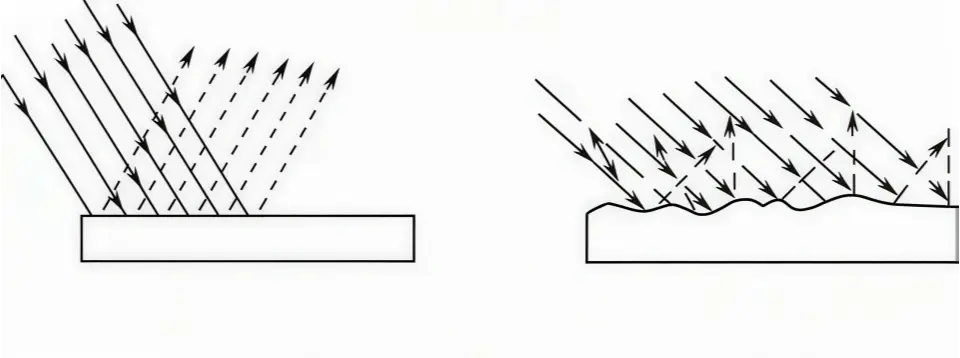
- Even light reflection – Smooth skin reflects light evenly. Gentle exfoliation helps.
- Good hydration – Plump skin cells bounce back light better. Humectants like hyaluronic acid help.
- Balanced oil (sebum) – A thin layer of oil gives a natural sheen. Too much oil looks greasy. Too little looks dull.
- Healthy blood flow – Good circulation brings oxygen and nutrients. This gives a rosy look.
- Regular skin shedding – New cells replace old ones. This keeps skin fresh and bright.
Scientists can measure skin glow with a device called a glossmeter. Healthy skin often scores between 5–15 gloss units. Damaged or dry skin usually scores below 5[1].
2. Skin Barrier and Hydration
The outer layer of your skin is called the stratum corneum. It works like a brick wall. Skin cells are the bricks. Lipids (fats) are the mortar.
A strong barrier does two jobs:
- Keeps water inside your skin
- Blocks out pollution, bacteria, and UV rays
Key Ingredients That Help
| Ingredient | What It Does |
|---|---|
| Ceramides | Replaces lost lipids; strengthens barrier |
| Niacinamide (vitamin B3) | Boosts ceramides; reduces water loss; calms redness |
| Hyaluronic acid | Holds 1000x its weight in water |
| Panthenol (pro-vitamin B5) | Soothes and hydrates |
| Sea buckthorn oil (omega-7) | Supports barrier and fights oxidation |
A 2023 study found that a ceramide moisturizer cut water loss by 28% and increased skin glow by 22% in 4 weeks[2].
3. How Inflammation and Moisture Affect Radiance
3.1 Inflammation Dulls Skin
Low-level inflammation is often invisible. But it still harms your skin. It causes redness, uneven texture, and a weak barrier. Common triggers include:
- Sun and pollution
- High-sugar diet
- Stress
Ingredients like niacinamide and green tea extract can reduce inflammation and boost glow[3].
3.2 Gloss vs. Shine vs. Dullness
- Healthy gloss – Smooth surface, even reflection. Looks lit from within.
- Oily shine – Thick sebum layer. Looks greasy and uneven.
- Dullness – Rough, flaky surface. Light scatters poorly.
4. Why Glow Means Healthy Skin
4.1 Glow Is a Health Marker
Glowing skin is not just pretty. It shows your skin is working well. Healthy skin can fight off damage, hold onto water, and shed dead cells on time.
4.2 Cellular Energy and Glow
Your skin cells need energy to stay healthy. Mitochondria make that energy (ATP). When mitochondria work well, your skin can repair DNA damage and make collagen. New research links poor mitochondrial function to dull, aging skin[4]. Nutrients like CoQ10 and NAD+ boosters may improve glow from the inside.
5. Glow for Different Skin Types and Ages
| Skin type / Age | Main Problem | Best Approach |
|---|---|---|
| Dry | Weak barrier, low water | Ceramides, rich creams |
| Oily | Too much sebum | Niacinamide, gentle exfoliation |
| Sensitive | Redness, easy irritation | Anti-inflammatory ingredients |
| 20s–30s | Early oxidation | Antioxidants, sunscreen |
| 40s+ | Slow turnover | Retinoids, deeper moisture |
6. Quick Self-Assessment
Answer yes or no:
- ☐ Does your skin feel tight or look flaky 30 minutes after washing?
- ☐ Do you see tiny crisscross lines on your cheeks or forehead?
- ☐ Does your skin look grayish even after moisturizer?
- ☐ Do new products often sting or cause redness?
- ☐ Does makeup settle into lines or look patchy?
What your answers mean:
0–1 Yes – Good shape. 2–3 Yes – Focus on hydration. 4–5 Yes – Significant damage. Simplify your routine.
7. Long-Term Care for Lasting Glow
Real skin glow takes time. You need consistent care for weeks or months. Do these things every day:
- Wash with a gentle, pH-balanced cleanser.
- Apply a moisturizer with barrier-supporting ingredients.
- Wear SPF 30+ every day (UV rays directly kill glow).
- At night, use products that help repair (peptides, retinoids, or barrier creams).
8. Internal Factors: Diet, Sleep, Stress
Your skin reflects what you put inside your body.
- Diet – Eat vegetables, fruits, and healthy fats. Too much sugar causes glycation, which stiffens collagen and kills glow[6].
- Water – Drink about 2–3 liters per day.
- Sleep – Your skin repairs itself during deep sleep. Poor sleep increases water loss[7].
- Stress – High cortisol weakens your skin barrier.
9. Frequently Asked Questions (FAQ)
Q1: How long until I see a better glow?
Most people see smoother skin in 4–6 weeks. Full results can take 3–6 months.
Q2: Does diet really matter?
Yes. People who eat more veggies and healthy fats have a stronger natural glow from carotenoids[9].
Q3: What ingredients work best for glow?
Vitamin C, Niacinamide, Hyaluronic acid, Retinoids, and Omega-rich oils like sea buckthorn.
Support Your Glow from Within – Laicuherb
To get the best results, combine good skincare with internal nutrition. Laicuherb offers USDA cardiovascular/himalayan-sea-buckthorn-oil" target="_blank">Organic Sea Buckthorn Oil capsules. They are rich in omega-7 fatty acids and antioxidants. These help support skin barrier repair and hydration from the inside out.
Questions? Email hello@laicuherb.com
References (2020–2025)
- [1] Lee, C. et al. (2021). Objective measurement of facial gloss. Skin Research and Technology, 27(3), 345–351.
- [2] Park, S. et al. (2023). Ceramide-dominant moisturizer improves barrier function and gloss. Journal of Cosmetic Dermatology, 22(2), 488–495.
- [3] Kim, H. et al. (2022). Topical niacinamide reduces subclinical inflammation. Dermatologic Therapy, 35(4), e15382.
- [4] Zhang, L. et al. (2024). Mitochondrial health and skin aging. Experimental Dermatology, 33(1), e14999.
- [6] Parke, M. A. et al. (2020). Diet and skin barrier. Dermatology Practical & Conceptual, 10(2), e2020041.
- [7] Oyetakin-White, P. et al. (2020). Sleep quality and skin aging. Clinical and Experimental Dermatology, 45(6), 686–691.
- [8] Lee, Y. et al. (2023). Skin microbiome and radiance. International Journal of Cosmetic Science, 45(5), 601–609.
- [9] Smith, R. et al. (2022). Dietary patterns and skin carotenoid scores. Nutrients, 14(8), 1634.
Related Reading
👉 Stop Using Jojoba Oil on Your Scars – Here’s What Works Instead
👉 Stop Relying Only on Cod Liver Oil: Sea Buckthorn Oil May Fit Your Body Better
👉 Skin Glow Science: Barrier, Hydration & Radiant Skin
👉 Top Omega-7 Benefits for Dry Skin and Mucosal Health
👉 Effective Methods for Skin Moisturization: A Complete Guide to Healthy, Hydrated Skin
About the Author

Laicuherb
The core content team at Laicuherb is a collective of experts, including health professionals, consultants in Traditional Chinese Medicine, and experienced content strategists. Some articles are authored by our brand's founders or R&D scientists. Laicuherb team has deep expertise in herbal health, integrating the wisdom of traditional medicine, modern nutrition, and women's health research to transform ancient wellness principles into practical, accessible content for everyday life.
© 2026 Laicuherb. Your State Your Tea.