Effective Methods for Skin Moisturization: A Complete Guide to Healthy, Hydrated Skin






Quick Navigation
Keeping your skin soft, smooth, and healthy is not just about looking good—it’s a key part of overall skin health. Dry skin can lead to irritation, flaking, and even more serious skin issues if left untreated. Fortunately, there are many effective methods for skin moisturization that work for different skin types, lifestyles, and budgets. Whether you have naturally dry skin, live in a cold climate, or simply want to improve your daily skin care routine, this guide will help you moisturize your skin from the inside out.
In this article, we’ll explore science-backed strategies, the best skincare products, and simple daily habits to keep your face and body soft, supple, and radiant.
Why Moisturizing Matters for Skin Health
Before diving into specific methods, it’s important to understand why moisturizing is so essential. Your skin has a natural barrier that locks in water and protects against environmental damage. When this barrier is weakened—by hot water, harsh soaps, aging, or low humidity—your skin feels tight, itchy, and rough. Over time, chronic dryness can lead to inflammation, cracking, and even infections.
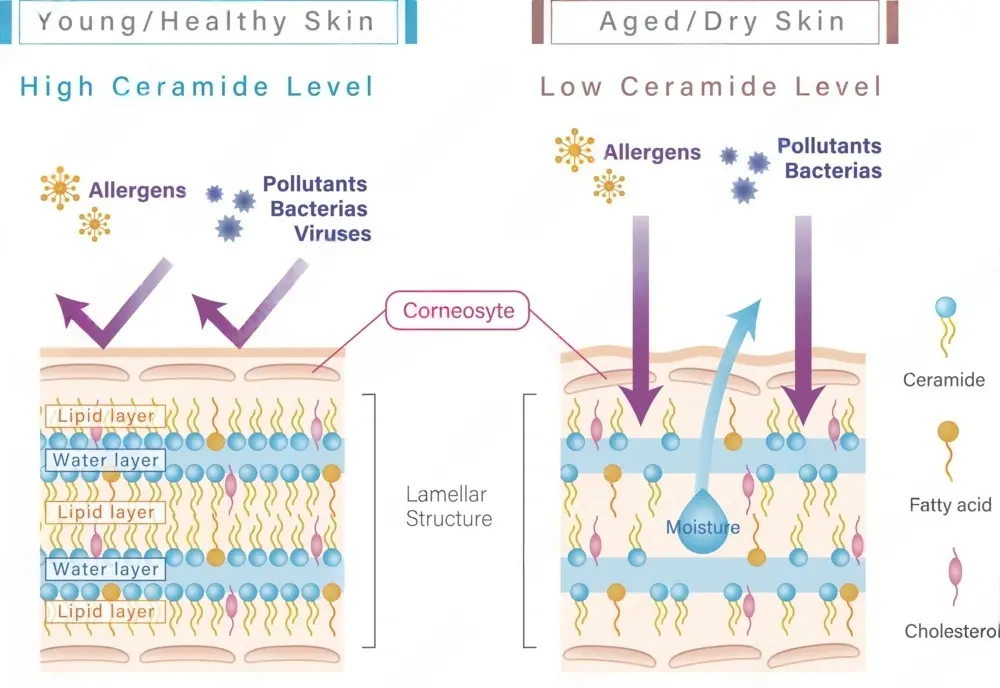
Moisturizing helps restore this barrier. It also supports healthy skin by reducing water loss and keeping the outer layer flexible. According to dermatologists, regular moisturizing is one of the simplest and most effective methods for skin moisturization available.
1. Choose the Right Moisturizer for Your Skin Type
Not all moisturizers are created equal. The first step in any successful routine is selecting a product that matches your skin type and concerns.
For dry skin: Look for thick creams or ointments containing hyaluronic acid, ceramides, glycerin, and shea butter. These ingredients attract water and seal it in.
For oily or acne-prone skin: Use lightweight, fragrance free, non-comedogenic lotions. Gel-based moisturizers with hyaluronic acid work well without clogging pores.
For sensitive skin: Choose products labeled fragrance free and hypoallergenic. Avoid alcohol, dyes, and essential oils.
For combination skin: A balanced lotion that hydrates without being too heavy is ideal. You can also use different products on different areas (e.g., richer cream on dry cheeks, lighter lotion on the T-zone).
Always read ingredient lists. Products that contain hyaluronic acid, ceramides, and niacinamide are excellent for boosting hydration and repairing the skin barrier.
2. Apply Moisturizer Correctly
Even the best moisturizer won’t work if you apply it incorrectly. Follow these simple steps to maximize results:
- Apply to damp skin: Right after washing your face or showering, gently pat your skin dry—but leave it slightly damp. Then apply moisturizer. This helps lock in extra water.
- Use enough product: Don’t skimp. Use a generous amount on your face and body, especially on rough areas like elbows, knees, and heels.
- Don’t forget your neck and hands: These areas show aging quickly and are often neglected.
- Reapply as needed: If your skin feels dry during the day, reapply moisturizer to your hands and face. Many people benefit from moisturizing twice daily—morning and night.
3. Avoid Common Moisture-Stealing Habits
You might be unknowingly sabotaging your skin’s hydration. Here are some habits to change:
- Limit hot water: Long showers or baths with hot water strip natural oils from your skin. Use lukewarm water instead, and keep showers under 10 minutes.
- Use gentle cleansers: Avoid deodorant soaps, antibacterial washes, and anything with sulfates or strong fragrances. These can damage the skin barrier. Opt for mild, fragrance free cleansers.
- Pat dry, don’t rub: Rubbing with a towel removes moisture and irritates the skin. Instead, gently pat your skin dry.
- Avoid over-exfoliating: Scrubbing away dead skin cells is important, but too much exfoliation can damage the barrier. Limit physical and chemical exfoliation to 1–2 times per week.
4. Hydrate from the Inside Out
What you put into your body is just as important as what you put on your skin. One of the most natural methods for skin moisturization is internal hydration.
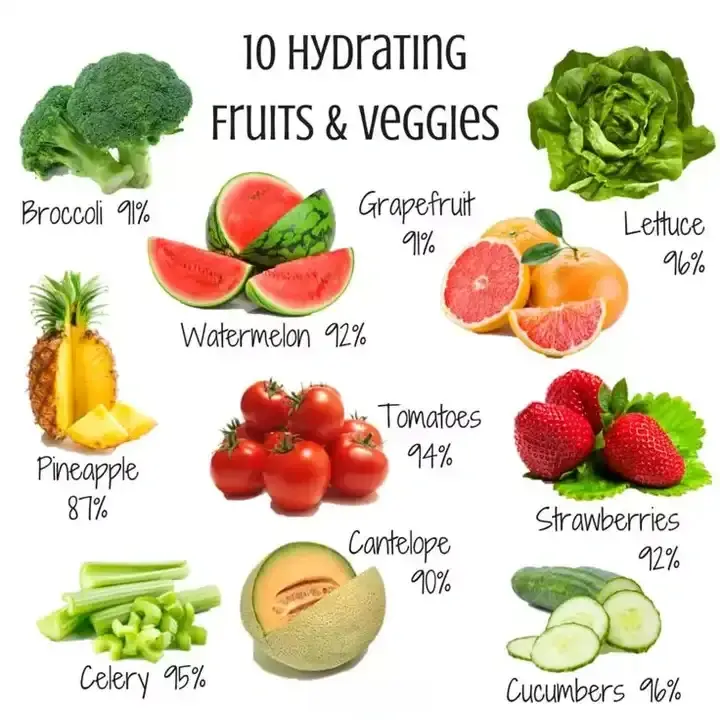
- Drink plenty of water: Aim for at least 8 glasses a day. Water helps maintain the moisture balance in your skin cells. When you’re dehydrated, your skin feels tight and looks dull.
- Eat water-rich foods: Cucumbers, watermelon, oranges, strawberries, and leafy greens provide hydration plus vitamins.
- Include healthy fats: Omega-3 fatty acids (found in salmon, walnuts, flaxseeds, and avocados) support the skin’s oil barrier, helping to lock in moisture.
- Limit diuretics: Coffee, tea, and alcohol can dehydrate you. Balance them with extra water.
5. Use a Humidifier
Dry indoor air—especially during winter or in air-conditioned rooms—pulls moisture from your skin. A humidifier adds water vapor to the air, which helps keep your skin hydrated while you sleep or work. Set it to 40–60% humidity for best results. This is one of the easiest methods for skin moisturization during cold months.
6. Incorporate Hyaluronic Acid and Other Key Ingredients
Hyaluronic acid is a superstar humectant—it holds up to 1,000 times its weight in water. When applied to damp skin, it draws moisture into the outer layer, making your skin look plumper and feel softer.
Other beneficial ingredients include:
- Glycerin: A gentle humectant found in many skincare products.
- Ceramides: Lipids that restore the skin barrier and prevent water loss.
- Niacinamide (vitamin B3): Improves barrier function and reduces redness.
- Petrolatum (petroleum jelly): An excellent occlusive that seals in moisture, especially for very dry patches.
Look for serums, creams, and lotions that combine these ingredients. For example, a hyaluronic acid serum followed by a ceramide-rich moisturizer works beautifully.
7. Protect Your Skin from the Sun
UV radiation damages the skin barrier, leading to moisture loss, premature aging, and increased risk of skin cancer. Sunscreen is a non-negotiable part of any skin care routine. Choose a broad-spectrum SPF 30 or higher, and apply it every day—even when it’s cloudy. Many moisturizers now include SPF, making it easy to combine steps.
Sun protection also prevents the breakdown of collagen and elastin, keeping your skin firm and hydrated longer.
8. Adjust Your Routine Seasonally
Your skin’s needs change with the weather. In summer, you might prefer a lightweight lotion. In winter, switch to a thicker cream or ointment. Also, consider using a richer body butter on your face and body during cold, dry months. Pay attention to how your skin feels and adjust accordingly.
9. Treat Specific Skin Issues
If you suffer from conditions like eczema, psoriasis, or severe dryness, general moisturizing may not be enough. Consult a dermatologist for prescription creams or specialized skincare products. Look for products labeled for “sensitive skin” and fragrance free to avoid irritation. Ingredients like colloidal oatmeal, shea butter, and hyaluronic acid are particularly soothing.
Also, gently exfoliate to remove dead skin cells once a week. This allows moisturizers to penetrate better. Use a soft washcloth or a mild chemical exfoliant like lactic acid.
10. Don’t Forget Your Body
Many people focus on their face but neglect the rest of their body. Your arms, legs, back, and feet also need regular moisturizing. After every shower, while your skin is still damp, apply moisturizer all over. For extra dry areas like heels and elbows, use a thicker cream or even petroleum jelly at night.
For more professional insights on skin health, you can explore resources from authoritative health websites. These sites offer evidence-based advice and dermatologist recommendations.
Sample Daily Routine for Optimal Moisturization
Morning:
- Cleanse with a gentle, fragrance free cleanser and lukewarm water.
- Apply a hyaluronic acid serum to damp skin.
- Follow with a lightweight moisturizer containing SPF 30.
- Don’t forget your neck and hands.
Evening:
- Cleanse again to remove dirt and makeup.
- Exfoliate gently once or twice a week.
- Apply a richer night cream or ceramide lotion.
- For very dry areas, use an occlusive like petroleum jelly.
Throughout the day:
- Drink plenty of water.
- Reapply hand cream after washing hands.
- Use a facial mist or reapply moisturizer if your skin feels tight.
When to See a Dermatologist
If you’ve tried multiple methods for skin moisturization and your skin remains painfully dry, cracked, or itchy, it may be time to see a professional. Persistent dryness can sometimes signal an underlying condition such as hypothyroidism, diabetes, or eczema. A board-certified dermatologist can help diagnose the issue and recommend prescription treatments.
Final Thoughts
Achieving and maintaining healthy skin doesn’t have to be complicated. By combining smart lifestyle choices, the right skincare products, and consistent habits, you can effectively combat dryness and enjoy a radiant complexion. Remember the key methods for skin moisturization: choose the right moisturizer for your skin type, apply it correctly, avoid hot water and harsh soaps, hydrate internally, use a humidifier, and protect yourself from the sun.
Your skin feels best when it’s balanced, soft, and resilient. Start with one or two changes today, and gradually build a routine that works for you. With patience and consistency, you’ll notice smoother, healthier, and more hydrated skin—from your face to your body.
Frequently Asked Questions (FAQ)
1. How often should I moisturize my skin?
Most dermatologists recommend moisturizing at least twice a day—once in the morning and once at night. You should also apply moisturizer immediately after bathing or washing your hands, and whenever your skin feels dry or tight.
2. Can I use the same moisturizer for my face and body?
Yes, but it’s not always ideal. Facial skin is more delicate and prone to clogged pores, so face moisturizers are usually lighter and non-comedogenic. Body moisturizers are thicker and better for areas like elbows and knees. If you have normal to dry skin, a gentle, fragrance‑free body lotion can often be used on the face, but for best results, choose products formulated for each area.
3. What ingredients should I look for in a moisturizer for dry skin?
Look for humectants (e.g., hyaluronic acid, glycerin) that attract water, emollients (e.g., ceramides, shea butter) that smooth the skin, and occlusives (e.g., petrolatum, dimethicone) that seal in moisture. Avoid alcohol, strong fragrances, and sulfates.
4. Does drinking water really help dry skin?
Yes, but with limits. Staying hydrated by drinking plenty of water supports overall skin health and helps maintain the skin’s moisture balance. However, drinking water alone won’t fix a damaged skin barrier—you still need topical moisturizers to lock in that hydration.
5. Can over‑moisturizing harm my skin?
Over‑moisturizing is rarely harmful, but using the wrong product (e.g., a very heavy ointment on oily skin) can clog pores and lead to breakouts. Listen to your skin: if it feels greasy or you develop small bumps, switch to a lighter formula. Most people benefit from regular, consistent moisturizing without negative effects.
6. What is the difference between hydrating and moisturizing?
Hydrating refers to increasing the water content inside skin cells (using humectants like hyaluronic acid). Moisturizing refers to sealing that water in and smoothing the skin’s surface (using emollients and occlusives). Both are needed for healthy, comfortable skin.
References
- Harvard Health Publishing – How to moisturize your skin
- American Academy of Dermatology (AAD) – Dermatologists’ top tips for relieving dry skin
- Mayo Clinic – Skin care: 5 tips for healthy skin
- National Institutes of Health (NIH) / PMC – Skin moisturization: mechanisms and benefits
- CeraVe Skincare – Moisturizing 101: Tips from dermatologists
- OneSkin – How to boost skin moisture for your entire body from the inside out
- Aveeno – Hydrating vs moisturizing: What to know for healthy, happy skin
- The Ordinary – The science of hydration
- Olansky Dermatology & Aesthetics – Hydration hacks: Tips and tricks for boosting skin moisture
- Dermacare Medical Aesthetics – 19 ways to moisturize your skin: A guide to healthy, radiant skin
Related Reading
👉 Stop Using Jojoba Oil on Your Scars – Here’s What Works Instead
👉 Stop Relying Only on Cod Liver Oil: Sea Buckthorn Oil May Fit Your Body Better
👉 Skin Glow Science: Barrier, Hydration & Radiant Skin
👉 Top Omega-7 Benefits for Dry Skin and Mucosal Health
👉 Effective Methods for Skin Moisturization: A Complete Guide to Healthy, Hydrated Skin
About the Author

Laicuherb
The core content team at Laicuherb is a collective of experts, including health professionals, consultants in Traditional Chinese Medicine, and experienced content strategists. Some articles are authored by our brand's founders or R&D scientists. Laicuherb team has deep expertise in herbal health, integrating the wisdom of traditional medicine, modern nutrition, and women's health research to transform ancient wellness principles into practical, accessible content for everyday life.
© 2026 Laicuherb. Your State Your Tea.