Why Your PMS Gets Worse After 30, and How a Simple Tea Can Help






I. Introduction: The Post-30 PMS Crisis
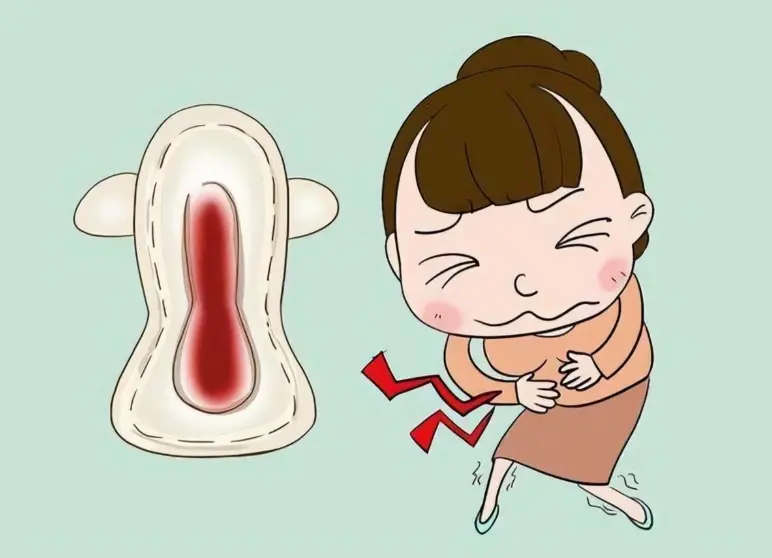
Have you noticed that managing your body and mood in the lead-up to your period is no longer as easy as it was in your twenties?
Before, Premenstrual Syndrome (PMS) might have been limited to mild bloating or a slight grumpiness. But after you hit your 30s, it seems to have escalated into intense emotional swings, uncontrollable anxiety, or what many describe as "premenstrual rage." This feeling of increasingly severe premenstrual discomfort is not your imagination.
This article will delve into the reasons why PMS tends to worsen with age, especially once you enter your 30s, and offer you a natural, gentle, and effective solution: a specially blended PMS tea to help you regain peace and control.
Table of Contents
II. Deeper Dive: Why Does PMS Escalate in Your 30s?
The escalation of your PMS is a result of both physiological changes and the cumulative stress of modern life.
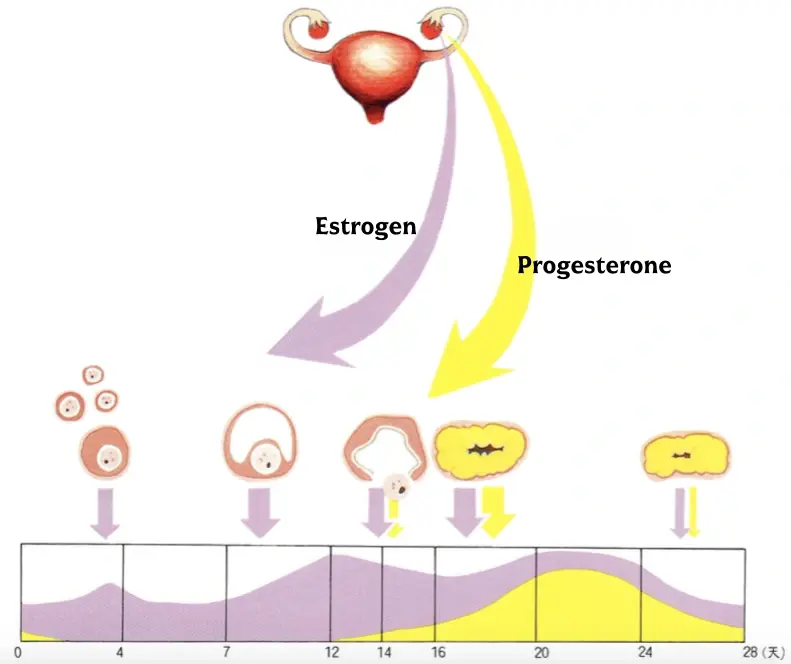
A. The Second Hormonal Surge
As women enter their 30s, particularly the late 30s, the body begins a subtle transition that is the main physiological culprit behind worsening PMS:
- Estrogen-Progesterone Imbalance: As ovarian function subtly changes with age, the production of Progesterone (a natural calming hormone) during the luteal phase (the time between ovulation and menstruation) may decrease relative to Estrogen. This hormonal tilt—Estrogen dominance—exacerbates negative PMS symptoms like mood swings, anxiety, breast tenderness, and water retention.
- Early Perimenopause Signals: For some, the late 30s can mark the very beginning of the perimenopausal transition. Even with regular periods, the hormonal fluctuations become wider and more irregular, making PMS symptoms unpredictable and more severe.
B. The Compounding Effect of Lifestyle
Age brings not only biological shifts but also an accumulation of stress and responsibilities:
- Stress and Cortisol: The 30s are often a peak time for career and family demands. Chronic stress elevates Cortisol (the stress hormone). High cortisol levels can interfere with sex hormone production, intensifying premenstrual anxiety and irritability.
- Nutrient Depletion: High-stress lifestyles and inconsistent diets can deplete crucial nutrients like B vitamins, magnesium, and Omega-3s. These "mood stabilizers" are essential for nervous system health, and their depletion weakens the body's ability to cope with hormonal fluctuations.
III. Gentle Relief: Finding Calm in a Cup
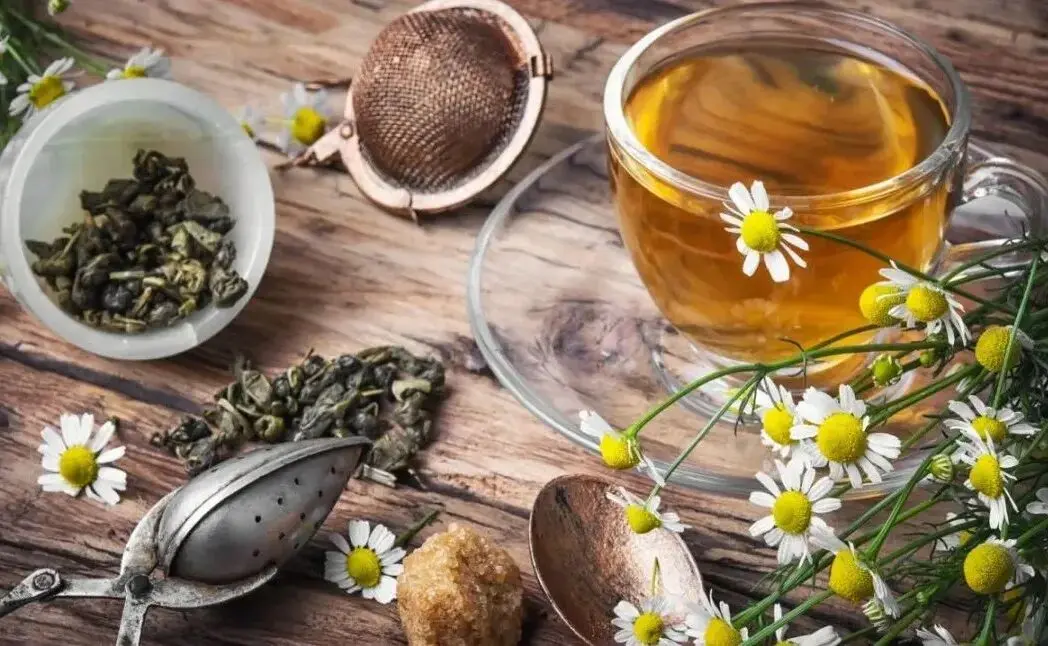
The solution to worsening PMS lies in "balancing hormonal fluctuations" and "counteracting life stress." herbal teas offer a daily, gentle, and holistic way to achieve this.
A. Why Choose PMS Tea?
Herbal teas use the natural chemical compounds found in plants to help the body restore its inherent balancing mechanisms, offering relief without the side effects often associated with pharmaceutical interventions.
B. Recommended Classic PMS Tea Ingredients
We have selected key ingredients validated by tradition and modern research for their specific effects on core PMS symptoms:
| Herbal Ingredient | Core Benefit | Targeted PMS Symptoms |
|---|---|---|
| Chasteberry (Vitex) | Modulates the pituitary gland; helps balance the Progesterone/Estrogen ratio. | Mood swings, breast tenderness/swelling, irritability (A renowned hormonal balancer) |
| Chamomile | Contains the flavonoid Apigenin, providing anti-anxiety, calming, and antispasmodic effects. | Insomnia, anxiety, nervous tension, premenstrual headaches |
| Red Raspberry Leaf | Contains Fragarine, a uterine tonic that helps tone and soothe the uterine muscle. | Cramps, bloating, uterine discomfort, period pain relief |
| Ginger | Powerful anti-inflammatory and antioxidant properties. | Bloating, abdominal pain, nausea, general body aches |
C. DIY Tea Recipe Share: Customizing Your Calm
For best results against severe PMS, start drinking these teas 7–10 days before your expected period.
- Deep Calm Blend (For mood and sleep):
- Dried Chamomile: 2 teaspoons
- Chasteberry Powder (or Tincture): As directed on the product label
- A sprig of Mint: For freshness
Best Time: Before bed, to calm the nervous system and improve premenstrual insomnia.
- Warming Tonic Blend (For bloating and pain):
- Dried Red Raspberry Leaf: 1 teaspoon
- Fresh Ginger Slices: 3–5 slices
- A touch of Honey/Molasses: For flavor and warmth
Best Time: During the day or afternoon, to help relieve uterine spasms and reduce bloating.
IV. Conclusion and Lifestyle Tips
Worsening PMS in your 30s is a signal that your body needs more targeted support. It is not a cause for frustration, but an opportunity to take proactive steps.
Your Action Plan Against Worsening PMS:
- Commit to Tea: Integrate PMS tea blends (especially Chasteberry and Chamomile) into your daily routine during the week leading up to your period to promote internal balance.
- Embrace Magnesium and B Vitamins: Prioritize foods rich in magnesium (e.g., dark leafy greens, nuts) and B vitamins (e.g., whole grains, eggs) to fuel your nervous system.
- Daily De-stress: Dedicate 10–15 minutes daily to meditation, deep breathing, or gentle stretching. Reducing cortisol is key to mitigating severe PMS symptoms.
- Prioritize Sleep: Make high-quality sleep non-negotiable, particularly during the premenstrual week. Adequate rest is the body’s strongest weapon for self-repair and hormone balancing.
Start with a warm cup of herbal tea and reclaim control over your body and emotions, moving past the post-30 PMS crisis and welcoming every cycle with calm and confidence.
About the Author

Laicuherb
The core content team at Laicuherb is a collective of experts, including health professionals, consultants in Traditional Chinese Medicine, and experienced content strategists. Some articles are authored by our brand's founders or R&D scientists. OLaicuherbur team has deep expertise in herbal health, integrating the wisdom of traditional medicine, modern nutrition, and women's health research to transform ancient wellness principles into practical, accessible content for everyday life.