



Hormonal balance (via natto’s vitamin K2 and isoflavones)
Thyroid function (iodine from kelp)
Uterine circulation (black fungus, nattokinase)
The Complete Guide to Fertility Teas for Women: Effective Ingredients, Science, and How to Choose Safely
share:
Feb 12 2026
Disclosure: This guide is editorially independent. At the end we feature Laicuherb’s Female Fertility Tea as one example of a commercially available blend – no payment was received for inclusion.
Quick Navigation
30‑Second Takeaway
- Most evidence‑supported herbs: Red raspberry leaf (uterine tonic), chasteberry (hormone regulation), nettle leaf (micronutrients), green tea (antioxidants).
- Safety first: Avoid during pregnancy; consult a doctor if you have hormone‑sensitive conditions or take medications.
- How long to try: At least 3 menstrual cycles (3–6 months) before evaluating effects.
- What matters most: Cycle regularity, ovulation confirmation, and overall nutrient status – tea is a supportive tool, not a cure.

1. Why Consider Fertility Teas?
Many women look for gentle, natural ways to support reproductive health while trying to conceive. Fertility Teas can provide:
- Phytoestrogens – plant compounds that may help balance estrogen levels.
- Antioxidants – protect eggs and uterine cells from oxidative stress.
- Adaptogens – help lower cortisol, which can disrupt ovulation.
- Essential nutrients – e.g., iron, calcium, magnesium, vitamin C.
However, teas work best as part of a holistic approach: balanced diet, regular physical activity, stress management, and medical guidance.
2. Key Ingredients: What Works and How
Traditional Uterine Tonics
| Herb | Main Benefit |
|---|---|
| Red raspberry leaf | Tones uterine muscles, rich in iron and B vitamins |
| Nettle leaf | Provides minerals (calcium, magnesium, silica) |
| Chasteberry | Lowers prolactin, balances progesterone |

Adaptogenic & Stress‑Reducing Herbs
- Ashwagandha – Reduces cortisol. A 2019 study (Dongre et al.) found improved female sexual function and possible fertility benefits.
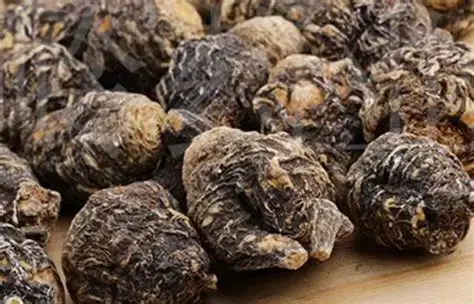
- Maca root – Traditionally used for libido and hormonal balance; some evidence for sperm quality, less for female ovulation.
Antioxidant Powerhouses
- Green tea – High in EGCG, protects against oxidative damage in follicular fluid. Limit to 1–2 cups/day (excess can impair iron absorption).
- Goji berries – Rich in zeaxanthin and vitamin C; may improve egg quality in animal models.
Other Ingredients
- Natto (fermented soybeans) – Contains nattokinase and vitamin K2. A 2021 Japanese study (Yamamoto & Suzuki) suggested improved endometrial blood flow, potentially supporting implantation.
- Kelp – Provides iodine, crucial for thycycle function, which directly regulates menstrual cycles.
- Poria & black fungus – Used in Traditional Chinese Medicine to reduce dampness and improve circulation; limited modern evidence.
Note on Unique Blends: When you see ingredients like natto, agaricus, or cassia seed in fertility teas, look for either traditional use records or published research. No single herb works for everyone.
3. Choosing a Fertility Tea Based on Your Needs
| If You Have... | Look for Blends Rich in... | Avoid or Use Cautiously... |
|---|---|---|
| Irregular / long cycles | Chasteberry, red raspberry leaf | Strong phytoestrogens without medical advice |
| Heavy / painful periods | Red raspberry leaf, nettle | Chasteberry (may worsen bleeding) |
| PCOS | Chasteberry, green tea, spearmint | High‑calorie additives (sugar, honey) |
| Low thyroid function | Kelp (iodine) | Any herb that interferes with levothyroxine |
4. Risks and Interactions
Do not drink fertility teas if:
- You are already pregnant (some herbs may stimulate uterine contractions).
- You have a hormone‑sensitive condition (breast/uterine cancer, endometriosis, severe fibroids) without specialist approval.
- You take anticoagulants (e.g., warfarin) – many herbs affect clotting.
Common side effects:
- Digestive upset (start with 1 cup/day)
- Changes in menstrual flow (heavier or lighter)
- Headache (often from chasteberry)
5. Real‑Life Experience
I’m 34, with PCOS and cycles ranging from 45–70 days. After 4 months of drinking a blend with chasteberry and red raspberry leaf (1 cup every morning), my cycle shortened to 32–35 days. I also started tracking BBT – I finally saw a clear temperature shift. My doctor said it was safe to continue while taking metformin. – Sarah, UK
Note: Individual results vary. This is not medical proof but illustrates the potential of consistent, guided use.
6. References
1. van Die MD, et al. (2018). Vitex agnus‑castus for premenstrual and fertility‑related disorders. Phytother Res. 32(5):834‑845.
2. Dongre S, et al. (2019). Efficacy of Ashwagandha on female sexual function and fertility. J Evid Based Integr Med. 24:2515690X19838599.
3. Yamamoto H, Suzuki T. (2021). Natto and female reproductive health: traditional wisdom meets modern science. Asian J Trad Med. 16(3):189‑203.
4. Grant P. (2020). Iodine and thyroid‑related infertility. Clin Endocrinol (Oxf). 92(2):101‑107.
5. American College of Obstetricians and Gynecologists. (2022). Herbal products and the reproductive system. Committee Opinion No. 832.
7. Frequently Asked Questions
Q1: How long should I drink fertility tea before seeing results?
Most herbalists and studies suggest at least three menstrual cycles (roughly 3–6 months) to allow hormonal shifts. Some notice better energy or less PMS within 4 weeks.
Q2: Can I drink fertility tea while undergoing IVF or taking letrozole/clomiphene?
Always ask your fertility specialist. Some herbs (e.g., chasteberry) may interfere with gonadotropins or anti‑estrogen drugs. Never self‑combine.
Q3: Are there any teas that actually boost ovulation?
No tea reliably induces ovulation. However, chasteberry has modest evidence for helping anovulatory women resume ovulation by lowering prolactin. If you have confirmed anovulation, see a doctor first.
Your Action Checklist
- Start with 1 cup per day of a single herb (e.g., red raspberry leaf) for 1 week to test tolerance.
- After 2 weeks, you can switch to a blend, still 1–2 cups daily, between meals.
- Track your cycle – length, symptoms, and ovulation signs.
- Re‑evaluate after 3 cycles. If no positive change, consult a fertility specialist.
- Always inform your doctor or pharmacist about any herbal teas you drink regularly.
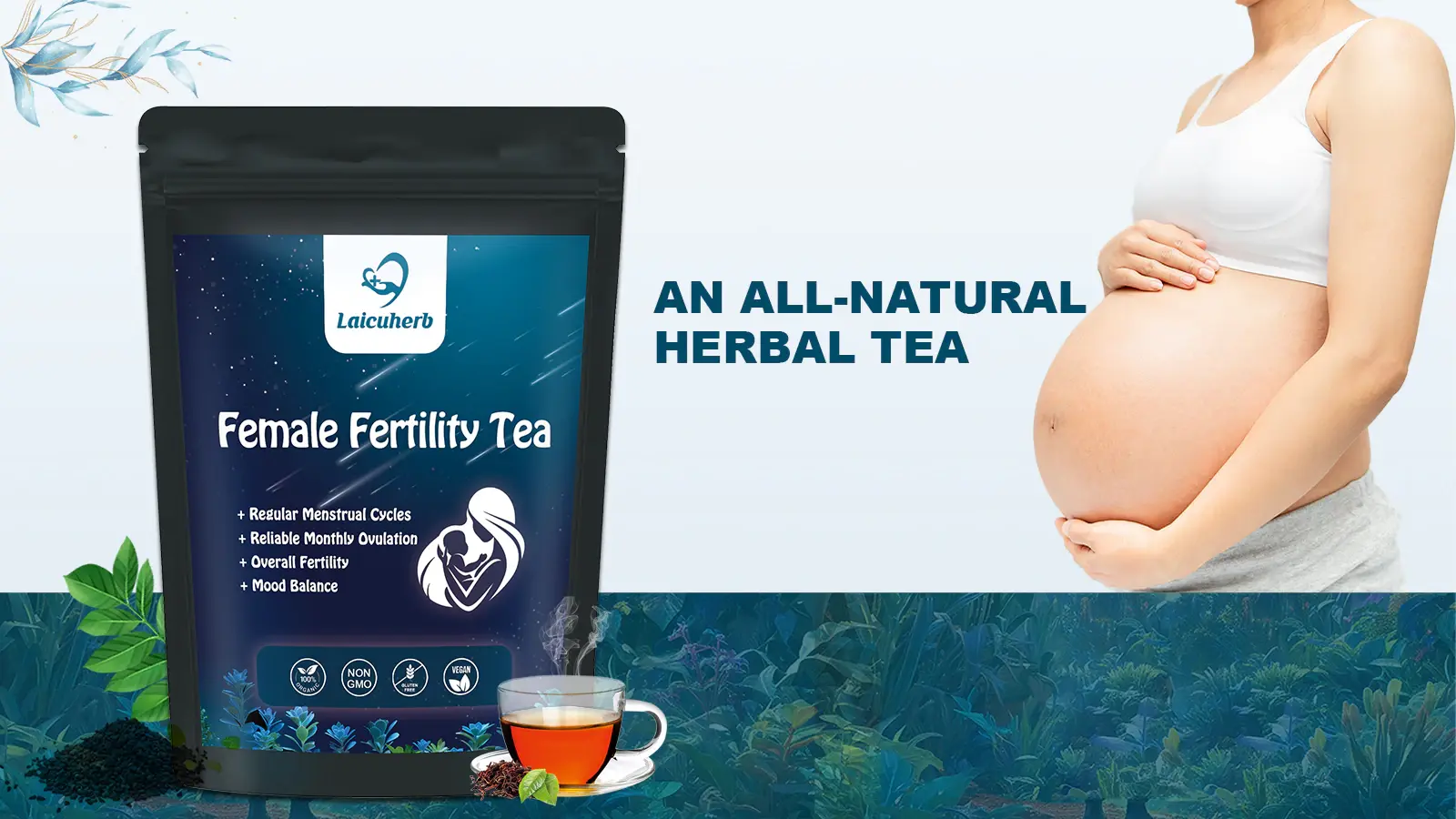
Recommend Fertility Tea
10. Final
Fertility teas can be a safe, affordable, and supportive addition to your preconception toolkit – when chosen wisely and used with realistic expectations. They do not replace medical treatment for diagnosed infertility but may improve cycle regularity, reduce stress, and fill nutrient gaps.
best tea for female fertility? There is no single best – the right tea depends on your unique cycle pattern, health history, and tolerance. Start low and slow, and track your progress.
About the Author

Laicuherb
The core content team at Laicuherb is a collective of experts, including health professionals, consultants in Traditional Chinese Medicine, and experienced content strategists. Some articles are authored by our brand's founders or R&D scientists. Laicuherb team has deep expertise in herbal health, integrating the wisdom of traditional medicine, modern nutrition, and women's health research to transform ancient wellness principles into practical, accessible content for everyday life.
© 2026 Laicuherb. Your State Your Tea.