What Is Fish Oil? Benefits & Safety






Quick Navigation
What Is Fish Oil?
What is fish oil? Fish oil is a dietary source of omega-3 fatty acids – specifically docosahexaenoic acid (DHA) and eicosapentaenoic acid (EPA). Your body cannot produce these essential fats, so you must obtain them from food or dietary supplements. The richest natural sources are fatty fish such as salmon, mackerel, and trout (often called oily fish).
People turn to omega-3 fish oils for their beneficial effects on inflammation, heart health, and brain function. Research suggests that regular consumption may help lower high triglycerides and modestly reduce high blood pressure. Some studies also indicate relief for rheumatoid arthritis symptoms, including joint pain and morning stiffness. The Food and Drug Administration (FDA) has approved certain prescription fish oil formulations for treating very high triglyceride levels.
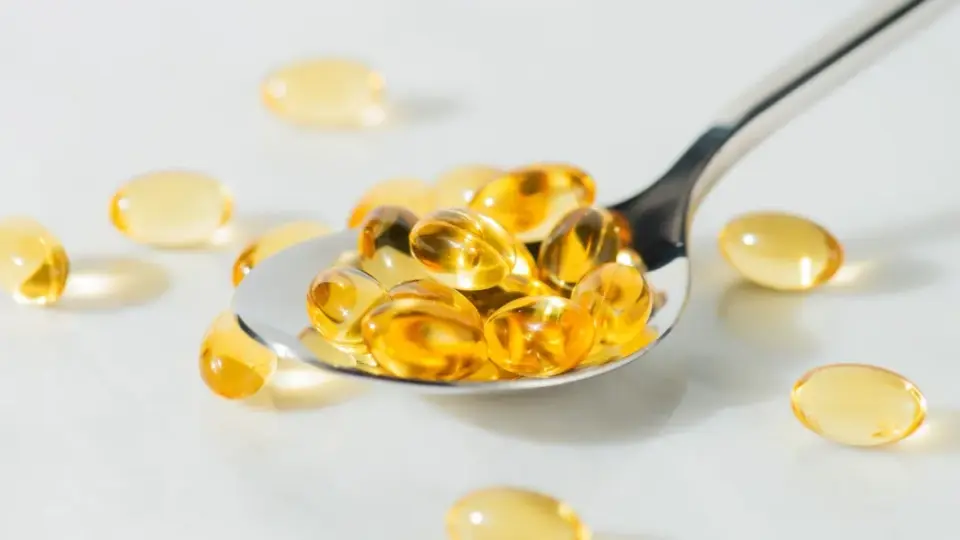
However, fish oil is not without risks. Common side effects include a fishy aftertaste, heartburn, and nausea. Taking high doses can increase the risk of bleeding and may affect immune response. Older adults or those on blood thinners should be especially cautious. While fish oil from supplements contains almost no mercury (unlike some whole fish such as salmon), it’s still wise to consult your doctor before starting any new regimen, particularly if you have coronary artery disease or other chronic conditions.
OK, at this point we have gained a thorough understanding of "what is fish oil". However, for some people, fish oil might not be suitable for them.
Fish Oil Is Not Suitable for Everyone
Fish oil is undeniably effective for many people, especially those with high triglycerides or inflammatory conditions like rheumatoid arthritis. For vegetarians or those who simply prefer a plant-based diet, fish oil is not a good choice. Because even some omnivores are concerned about whether the fish oil contains marine pollutants, fish allergies, or the unpleasant fishy smell.
With that in mind, I would like to introduce a plant-based product that is naturally rich in omega-3s – sea buckthorn oil. It offers a friendly, sustainable alternative for those who prefer to avoid fish oil while still supporting heart health.
It is necessary to emphasize one point here, It’s not the fish oil itself that benefits your heart – it’s the omega-3 fatty acids. Specifically, EPA and DHA are the active molecules that lower high triglycerides, reduce inflammation, and support brain health. The fact that sea buckthorn oil contains omega-3s and is derived from plants makes it even more beneficial for the cardiovascular health of vegetarians..
INTRODUCING SEA BUCKTHORN OIL
Sea buckthorn oil (Hippophae rhamnoides) is extracted from the berries and seeds of a hardy shrub native to Europe and Asia. It is 100% plant‑based, sustainable, and suitable for vegetarians and vegans. What makes it shine is its unique fatty acid profile: it contains not only omega‑3 (alpha‑linolenic acid, ALA, plus trace amounts of EPA) but also omega‑6 and the rare omega‑7 (palmitoleic acid). Your body can convert some ALA into EPA and DHA, making sea buckthorn a viable alternative for maintaining healthy omega‑3 levels – especially when combined with a diet that limits excessive omega‑6 intake.

How Sea Buckthorn Oil Supports Cardiovascular Health
Multiple studies have shown that the omega‑3s in sea buckthorn oil can help:
- Lower triglyceride levels – similar to fish oil, but without the bleeding risk associated with very high doses of animal‑based omega‑3s.
- Reduce high blood pressure – the anti‑inflammatory effect of omega‑3 helps relax blood vessels.
- Improve cholesterol balance – sea buckthorn oil has been observed to increase HDL (“good”) cholesterol while reducing oxidized LDL, a key driver of coronary artery disease.
Moreover, because sea buckthorn oil is plant‑derived, it carries none of the mercury or environmental contaminants that sometimes concern consumers of fish such as salmon or mackerel. Reputable sea buckthorn oil products are generally recognized as safe for most adults.
Extra Benefits You Won’t Get from Fish Oil
Fish oil mainly provides EPA and DHA. Sea buckthorn oil offers much more:
- Rich in antioxidants (vitamins C, E, flavonoids, carotenoids)
- Omega‑7 for skin and mucous membranes – supports hydration, wound healing, and gut health
- Natural anti‑inflammatory effects beyond omega‑3s
- Liver protection – may reduce fatty liver deposits
- Immune support – helps modulate immune responses
Who Should Consider Sea Buckthorn Oil Instead of Fish Oil?
- Vegetarians and vegans – obviously the primary audience.
- People on blood thinners – high doses of fish oil can increase the risk of bleeding. Sea buckthorn oil, at normal doses, has not shown the same anticoagulant effect, though you should still consult your doctor.
- Those with fish allergies – sea buckthorn oil is completely hypoallergenic in this regard.
- Anyone bothered by fishy burps or aftertaste – sea buckthorn oil has a pleasant, slightly fruity flavor.
- Older adults looking for a gentle, multi‑nutrient supplement.
How to Take Sea Buckthorn Oil Effectively
You can find sea buckthorn oil as softgels or liquid. For cardiovascular benefits, look for a product that specifies the omega‑3 content (usually as ALA) and, if possible, a small amount of naturally occurring EPA. A typical dose ranges from 1000 mg to 2000 mg per day. Because it contains fat‑soluble nutrients, take it with a meal containing some fat to improve absorption.
As with any dietary supplement, it’s wise to speak with your healthcare provider before starting, especially if you are pregnant, nursing, or have a medical condition such as coronary artery disease or diabetes.
Fish Oil vs. Sea Buckthorn Oil
Does this mean you should throw away your fish oil? Not necessarily. For people with severely high triglycerides (above 500 mg/dL), prescription fish oil has strong clinical evidence. Sea buckthorn oil may not lower triglyceride levels as dramatically because its EPA content is lower. However, for general heart health maintenance, for those who cannot or choose not to take fish oil, or for anyone seeking broader wellness benefits, sea buckthorn oil is an excellent – and often superior – choice.
The Bottom Line
What is fish oil? It’s a convenient source of omega‑3s from fish. But when you strip away the animal origin, the real hero is omega‑3 fatty acids. And you can get those – plus a host of other beneficial compounds – from sea buckthorn oil, a sustainable, plant‑based alternative. Whether you’re a vegetarian, worried about contaminants, or simply looking for more bang for your buck, sea buckthorn oil deserves a place in your wellness routine.
Please keep in mind that no supplement can replace a healthy diet rich in fatty fish (if you eat fish), nuts, seeds, and colorful vegetables. However, if your daily intake of omega-3-rich foods is insufficient, or if your heart and other organs need additional nutritional support, sea buckthorn oil and fish oil are a unique, gentle, and highly effective choice.
Switch to Pure Plant Power
Ready to experience the heart-healthy benefits of omega-3s without the fishy aftertaste? Discover the natural potency of our premium sea buckthorn oil.
hello@laicuherb.comHave questions about plant-based supplements? Reach out to us today and our health experts will be happy to assist you.
References
Mayo Clinic. (2026). Fish oil. Retrieved from https://www.mayoclinic.org/drugs-supplements-fish-oil/art-20364810
Cleveland Clinic. (n.d.). Fish Oil, Omega-3 Fatty Acids Capsules (OTC). Retrieved from https://my.clevelandclinic.org/health/drugs/18818-fish-oil-omega-3-fatty-acids-capsules-otc
WebMD. (n.d.). Fish Oil: Uses, Side Effects, Interactions, Dosage, and Warning. Retrieved from https://www.webmd.com/vitamins/ai/ingredientmono-993/fish-oil
U.S. Food and Drug Administration. (2016). Letter regarding dietary supplement health claim for omega-3 fatty acids and coronary heart disease. Retrieved from https://www.fda.gov
Kris-Etherton, P. M., Harris, W. S., & Appel, L. J. (2002). Fish consumption, fish oil, omega-3 fatty acids, and cardiovascular disease. Circulation, 106(21), 2747-2757.
Fortin, P. R., Lew, R. A., Liang, M. H., et al. (1995). Validation of a meta-analysis: the effects of fish oil in rheumatoid arthritis. Journal of Clinical Epidemiology, 48(11), 1379-1390.
GISSI-Prevenzione Investigators. (1999). Dietary supplementation with n-3 polyunsaturated fatty acids and vitamin E after myocardial infarction. Lancet, 354(9177), 447-455.
Balk, E. M., Lichtenstein, A. H., Chung, M., et al. (2006). Effects of omega-3 fatty acids on serum markers of cardiovascular disease risk. Atherosclerosis, 189(1), 19-30.
Yang, B., & Kallio, H. P. (2002). Fatty acid composition of lipids in sea buckthorn (Hippophaë rhamnoides L.) berries. Journal of Agricultural and Food Chemistry, 50(4), 930-936.
Basu, M., Prasad, R., Jayamurthy, P., et al. (2007). Anti-atherogenic effects of sea buckthorn (Hippophaea rhamnoides) seed oil. Journal of Medicinal Food, 10(4), 669-675.
Eccleston, C., Baoru, Y., Tahvonen, R., et al. (2002). Effects of sea buckthorn supplementation on cardiovascular risk factors. Journal of Nutrition, 132(9), 2770-2775.
Larmo, P. S., Järvinen, R. L., Setälä, N. L., et al. (2010). Oral sea buckthorn oil attenuates tear film osmolarity. The Journal of Nutrition, 140(8), 1462-1468.
Burdge, G. C., & Calder, P. C. (2005). Conversion of alpha-linolenic acid to longer-chain polyunsaturated fatty acids. Reproduction, Nutrition, Development, 45(5), 581-597.
Related Reading
👉 Seabuckthorn Oil Guide: Uses, Benefits, and More
👉 The Powerful Benefits of Seaberry Oil for Your Skin
👉 Sea Buckthorn Berry Oil Dropper Organic Reviews
About the Author

Laicuherb
The core content team at Laicuherb is a collective of experts, including health professionals, consultants in Traditional Chinese Medicine, and experienced content strategists. Some articles are authored by our brand's founders or R&D scientists. Laicuherb team has deep expertise in herbal health, integrating the wisdom of traditional medicine, modern nutrition, and women's health research to transform ancient wellness principles into practical, accessible content for everyday life.
© 2026 Laicuherb. Your State Your Tea.