What Foods Help with Dry Skin? Causes and Dietary Prevention






Table of Contents
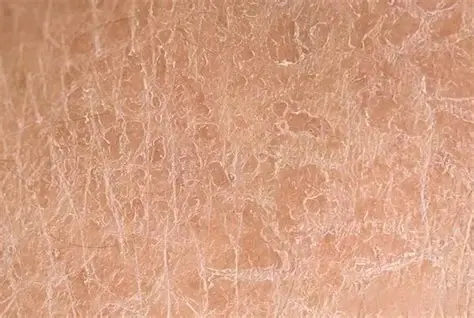
1. What causes dry skin?
Dry skin can result from multiple factors:
Internal causes: genetics, aging (reduced sebum production), hormonal changes (e.g., menopause)
Environmental causes: low humidity, cold weather, excessive sun exposure, air conditioning or heating
Lifestyle causes: harsh cleansers, hot water, over-exfoliation, insufficient water intake, chronic stress, lack of sleep
Medication or disease causes: diuretics, retinoids, chemotherapy drugs; conditions like hypothyroidism, diabetes, or atopic dermatitis
Nutritional deficiencies – especially a lack of vitamin A, C, E, biotin (B7), and essential fatty acids (omega-3, omega-7) – can also impair the skin barrier and worsen dry skin.
2. Best foods for dry skin
2.1 Animal-based foods
Beef liver – Rich in vitamin A, which supports normal skin cell turnover. Limit to 1–2 servings per week (30–50 g per serving) to avoid toxicity.
Oysters – High in zinc, which helps repair skin and maintain moisture. No more than 12 oysters per day, or 2–3 servings weekly.
Eggs (especially yolks) – Provide biotin (vitamin B7), shown to improve skin hydration. Eat 3–4 eggs per week.
Yellowfin tuna – A source of selenium, which protects against UV damage. Consume 2 servings (≈150 g each) weekly.
2.2 Plant-based foods (legumes & fermented products)
Tempeh (fermented soybean) – Contains biotin and anti-inflammatory compounds that reduce skin redness and flaking. Can be eaten daily (50–100 g).
Tofu – Provides soy isoflavones, which may help menopausal women with hormone-related dry skin. Eat 3–4 times per week.
Chickpeas – Rich in zinc, folate, and plant-based omega-3 (ALA), supporting barrier lipids. Use in hummus or salads.
2.3 Vegetables
Sweet potato – High in beta-carotene (provitamin A), which protects against free radical damage. Eat cooked with a little oil for better absorption.
Sweet red pepper – Excellent source of vitamin C, stronger than citrus. Vitamin C strengthens the skin barrier and boosts collagen.
Carrots – Another beta-carotene powerhouse; regular intake reduces rough, dry skin. Best eaten with fat (e.g., olive oil).
Spinach – Provides vitamins A, C, E, iron, and lutein. Has anti-inflammatory and photoprotective effects.
2.4 Nuts and seeds
Almonds – Rich in vitamin E (7.3 mg per 28 g). Vitamin E reduces transepidermal water loss. A handful (≈23 almonds) daily.
Sunflower seeds – Contain vitamin E and linoleic acid (omega-6), a precursor for ceramides. One small handful (≈20 g) per day.
Pumpkin seeds – High in zinc and magnesium, both essential for skin barrier repair and hydration.
2.5 Vegetable oils
Sea buckthorn oil – The richest natural source of omega-7 (palmitoleic acid). Omega-7 strengthens the stratum corneum, reduces transepidermal water loss (by up to 28% in some studies), and stimulates sebum production. Take 2–3 ml (about half a teaspoon) daily, ideally cold-pressed sea buckthorn fruit oil.
Extra virgin olive oil – Provides oleic acid and polyphenols. One tablespoon (10 ml) per day, added to salads or cooked dishes.
Almond oil (sweet almond) – High in vitamin E and oleic acid. One teaspoon to smoothies or porridge.
Sunflower oil (high-linoleic) – Contains >60% linoleic acid, essential for ceramide synthesis. Use for low-to-medium heat cooking.
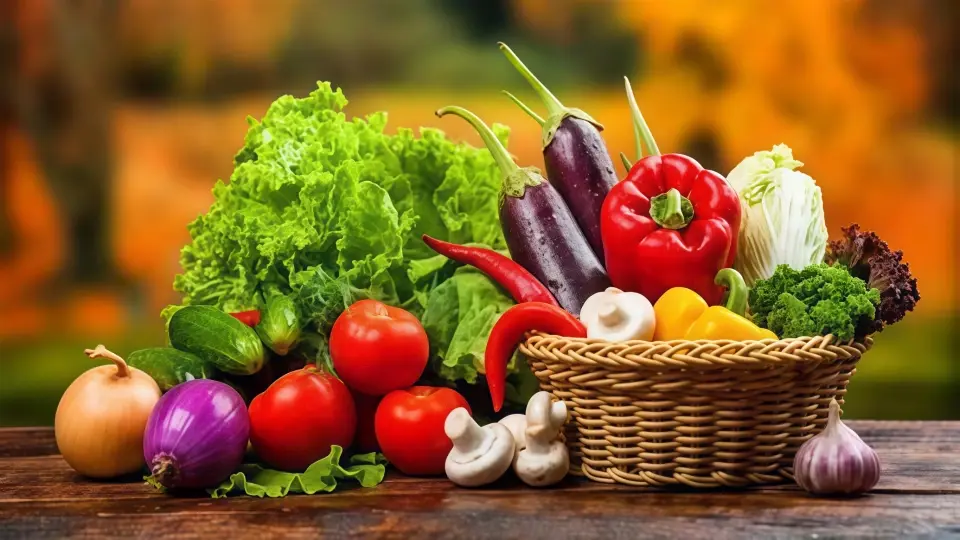
3. Sample daily routine
Breakfast: eggs + a handful of almonds + soy milk
Lunch: sweet potato + sautéed red pepper with beef liver + spinach
Snack: one teaspoon of sea buckthorn oil mixed into yogurt
Dinner: tempeh or tofu + pumpkin seed salad + olive oil drizzled over vegetables
Most people notice less flaking, softer skin, and reduced tightness after 4–6 weeks.
4. FAQ
Q1: Can diet alone cure dry skin?
A: For mild to moderate dry skin caused by nutritional gaps or lifestyle factors, dietary improvements can significantly help. However, if dry skin is due to a medical condition (e.g., hypothyroidism, eczema) or medication, you should consult a doctor.
Q2: How long does it take to see results from sea buckthorn oil?
A: Some studies show measurable improvements in skin hydration and reduced water loss after 8–12 weeks of consistent daily intake.
Q3: Is sea buckthorn oil safe for everyone?
A: Sea buckthorn oil is generally safe for most adults when taken orally in small amounts (2–3 ml per day). Pregnant or breastfeeding women and people on blood thinners should consult a healthcare provider first.
Q4: Can I just take supplements instead of eating these foods?
A: Whole foods provide synergistic nutrients that isolated supplements may miss. If you choose supplements, look for high-quality, third-party tested products (e.g., sea buckthorn oil softgels).
Q5: What about drinking water?
A: Adequate water intake is important, but it works together with dietary fats and vitamins to maintain skin hydration – water alone cannot fix a damaged barrier.
5. References
Yang, B., & Kallio, H. P. (2002). Composition and physiological effects of sea buckthorn (Hippophae rhamnoides) lipids. Trends in Food Science & Technology, 13(5), 160–167.
Puch, F., et al. (2008). Beneficial effects of sea buckthorn oil on skin hydration and elasticity. Journal of Cosmetic Dermatology, 7(4), 26–32.
National Institutes of Health (NIH) – Vitamin A, Zinc, Biotin Fact Sheets.
American Academy of Dermatology (AAD). (2021). “Dry skin: Overview and self-care.”
Lin, T. K., et al. (2018). Anti-inflammatory and skin barrier repair effects of topical application of some plant oils. International Journal of Molecular Sciences, 19(1), 70.
Disclaimer:
This article represents the personal views of the author and is for informational and educational purposes only. It does not constitute medical advice. If you have persistent or severe dry skin accompanied by redness, itching, or systemic symptoms (e.g., fatigue, weight changes), please consult a dermatologist or other qualified healthcare professional.
About the Author
Laicuherb
The core content team at Laicuherb is a collective of experts, including health professionals, consultants in Traditional Chinese Medicine, and experienced content strategists. Some articles are authored by our brand's founders or R&D scientists. Laicuherb team has deep expertise in herbal health, integrating the wisdom of traditional medicine, modern nutrition, and women's health research to transform ancient wellness principles into practical, accessible content for everyday life.
© 2026 Laicuherb. Your State Your Tea.