The Ultimate Guide to Skin Whitening Tea






I. Unveiling the Secret of "Beauty through Tea"
In the pursuit of natural, healthy beauty, there is a growing emphasis on nourishment from within. If you are seeking a gentle, effective, and ritualistic way to achieve "inner whitening," then you must not miss out on the ancient Eastern wisdom of skin whitening tea.
This practice is not a fleeting trend but a centuries-old beauty secret. However, faced with a wide variety of herbs and teas on the market, many people are confused: which tea is good for skin whitening? This article will approach the topic from a scientific perspective, diving deep into the whitening components of tea to help your skin say goodbye to dullness and regain its translucent radiance.
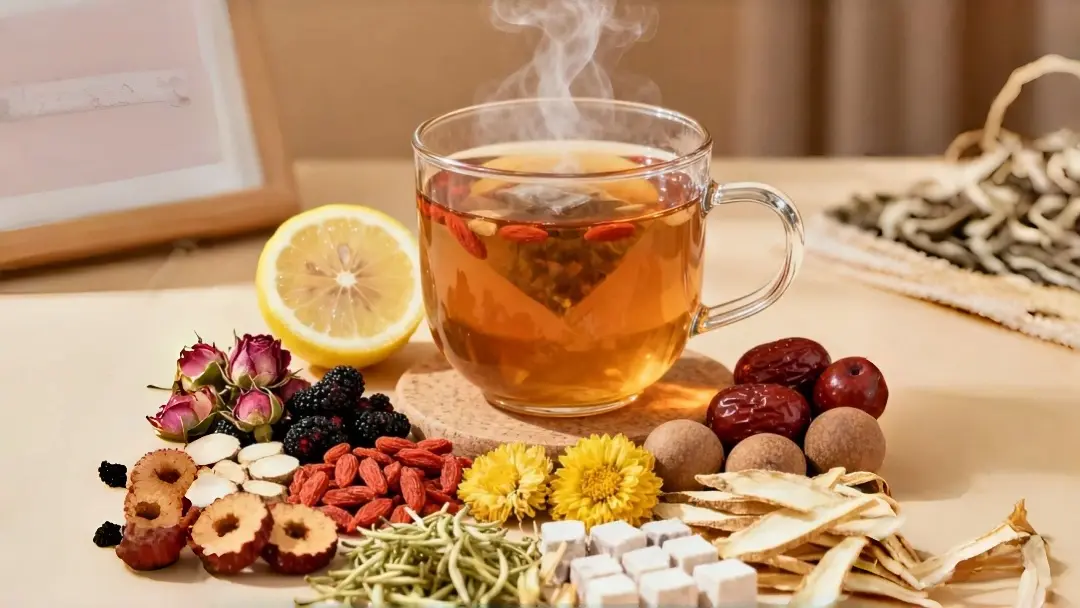
Table of Contents
II. How Does Tea Achieve Skin Whitening?
It is crucial to set realistic expectations when incorporating skin whitening tea into your routine:
- Indirect Whitening: Tea beverages primarily improve skin tone indirectly through anti-oxidation and metabolism regulation. They cannot directly act on melanin like topical whitening products or medical aesthetic procedures.
- High Individual Variability: The results vary significantly from person to person, closely related to individual physique, diet, and lifestyle habits. For example, individuals who suffer from chronic late nights or consume excessive sugar will find it difficult to see effects merely by drinking tea.

III. Why Green Tea for Whitening Skin is Highly Regarded
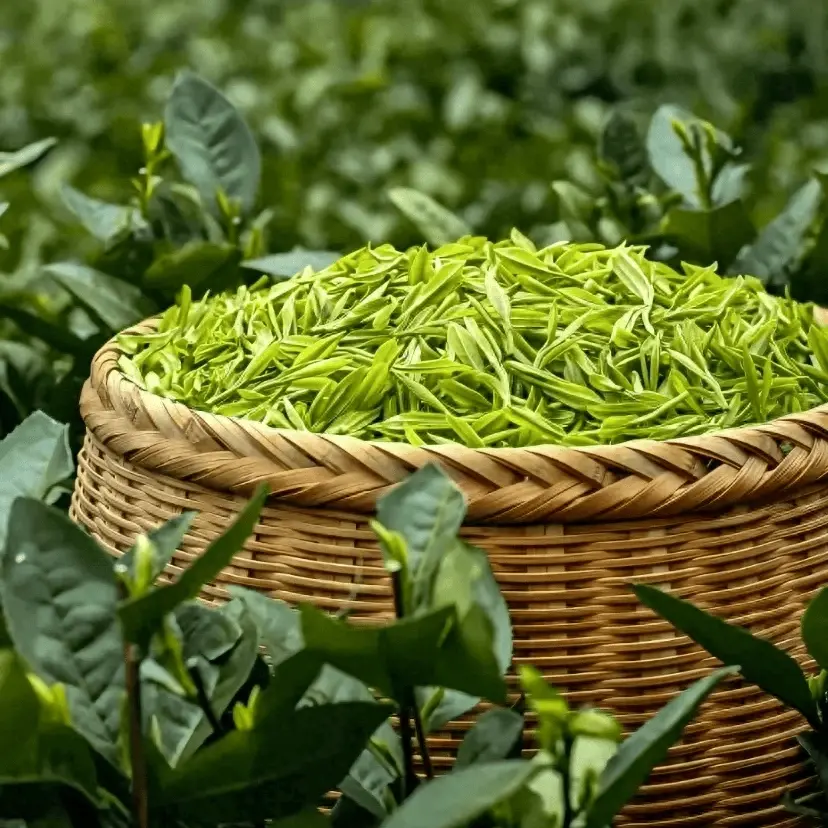
The reason why green tea for whitening skin is often recommended is primarily due to its rich content of antioxidant components.
- Polyphenols and Catechins: Green tea is abundant in polyphenol compounds, especially Catechins, which are potent antioxidants. Catechins neutralize free radicals, reduce oxidative stress damage to the skin, thereby delaying skin aging and improving complexion.
- Vitamins C and E: Green tea also contains Vitamins C and E, both of which are recognized components for promoting skin brightness and overall health. When considering which tea is good for skin whitening, green tea often tops the list due to this powerhouse combination.
IV. How to Use Skin Whitening Tea Effectively
Integrating skin whitening tea into your daily routine requires adherence to three core principles: "Appropriate Amount, Regularity, and Avoiding Contraindications."
- Drinking Frequency and Dosage: The effectiveness relies on the continuous intake of active substances like tea polyphenols. It is generally recommended to drink 2–3 cups daily (about 500–800 ml), primarily warm. Do not over-consume, as this may irritate the stomach or affect sleep.
- Tea Pairing Contraindications:
- Strong teas, which are rich in tannins, should not be consumed on an empty stomach.
- Avoid consuming tea concurrently with iron supplements, as tannins can inhibit iron absorption.
- It is best to avoid caffeinated teas, such as green tea, within three hours of bedtime to ensure quality sleep.
V. Integrating Whitening Tea into Your Daily Life
Embracing the ritual of drinking skin whitening tea is a commitment to beauty that works from the inside out. Remember that consistency is key. By combining the powerful antioxidant effects of teas like green tea for whitening skin with a healthy diet and proper sleep, you create the optimal environment for your skin to achieve a naturally bright and glowing complexion. Start today and let this ancient remedy reveal your skin's inner radiance.
References
The information presented is based on established nutritional and dermatological research regarding the active compounds in tea and their effects on skin health:
- Pillai, S., Kavita, R. and S.S. Katiyar. (2018). The role of green tea polyphenols in skin cancer. *International Journal of Environmental Research and Public Health*, 15(12): 2610.
- Roh, E., Kim, K. H., Kwon, J. H., Lee, Y., Kim, J., & Lee, J. (2017). The anti-melanogenic effect of green tea extracts in human melanoma cells. *Journal of Cosmetic Dermatology*, 16(3), 398-403.
- Chacko, S. M., Thambi, P. T., Kuttan, R., & Nishigaki, I. (2010). Therapeutic effects of green tea: a review on the clinical evidence. *Chinese Medicine*, 5(1), 13.
- Samman, S., Senthinathan, P., C. P. S (2016). Effects of tea consumption on iron status and hemostasis in man. *Annals of Nutrition and Metabolism*, 68(1), 1-8.
About the Author

Laicuherb
The core content team at Laicuherb is a collective of experts, including health professionals, consultants in Traditional Chinese Medicine, and experienced content strategists. Some articles are authored by our brand's founders or R&D scientists. Laicuherb team has deep expertise in herbal health, integrating the wisdom of traditional medicine, modern nutrition, and women's health research to transform ancient wellness principles into practical, accessible content for everyday life.