The Best Teas for High Blood Pressure






High blood pressure is a silent threat that millions of people face every day. While medication is often necessary, simple lifestyle changes like choosing the right cup of tea can make a real difference in your long-term cardiovascular health.
Table of Contents
- 1. The Science-Backed Winners: Hibiscus and Green Tea
- 2. Traditional Chinese Tea for High Blood Pressure
- 3. Popular Herbal Infusions: Ginger and Chamomile
- 4. Important Precautions and Side Effects
- 5. How to Get the Best Results
- 6. Summary
The Science-Backed Winners
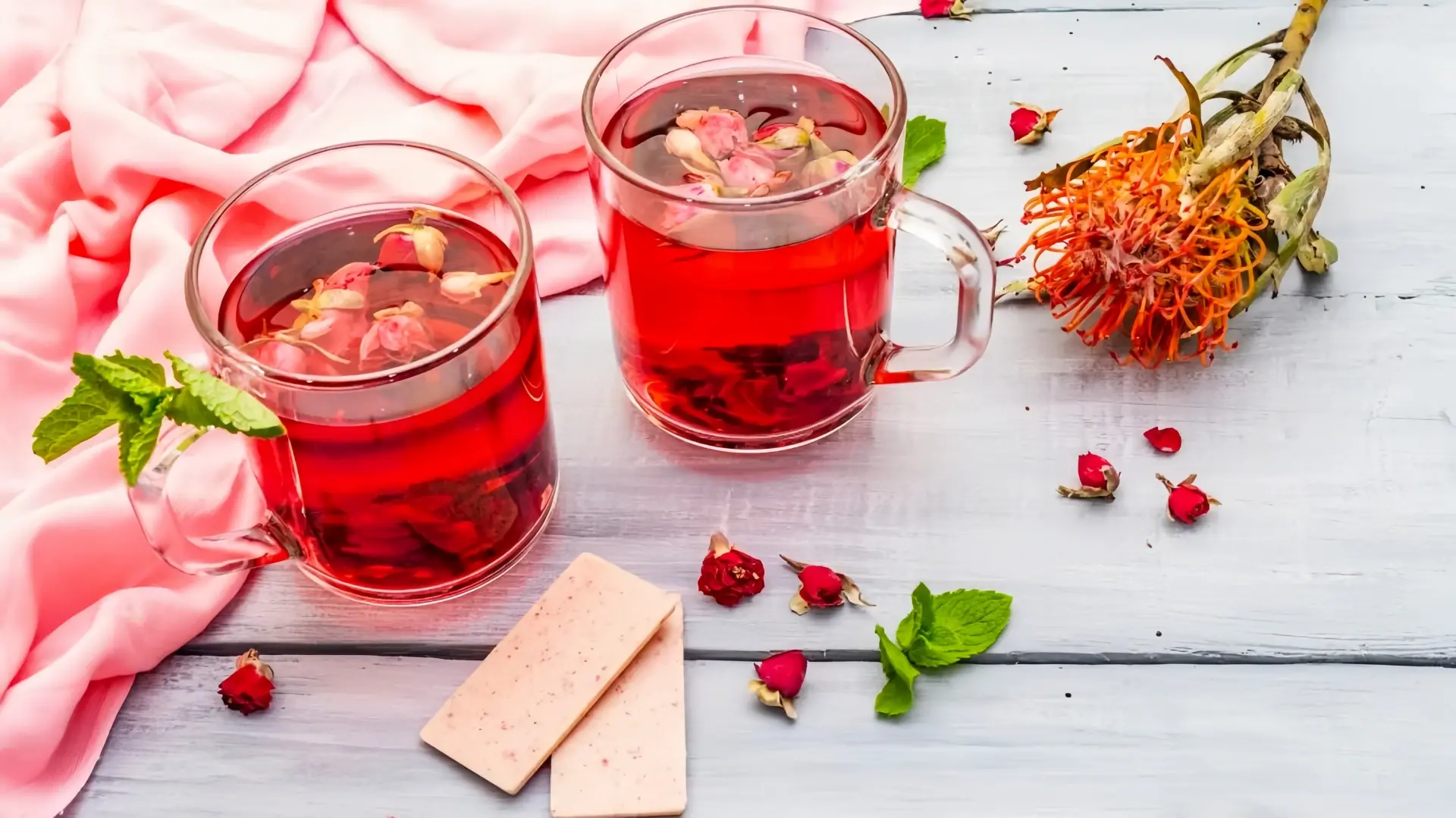
When looking for the best tea for high blood pressure, science points directly to hibiscus tea good for high blood pressure. This vibrant red herbal infusion is rich in anthocyanins, which work similarly to ACE inhibitors by helping blood vessels relax. Research suggests that drinking 2 to 3 cups a day can lead to a measurable drop in systolic pressure.
Another heavy hitter is green tea. People often ask, is green tea bad for high blood pressure because it contains caffeine? The short answer is no. While the caffeine might cause a temporary spike, the catechins (specifically EGCG) help improve the elasticity of your arteries over time. It is a powerful herbal tea for high blood pressure management, provided you do not drink it during a crisis when your pressure is already unstable.
Traditional Chinese Tea for High Blood Pressure
Pu-erh Tea (Dark Tea)
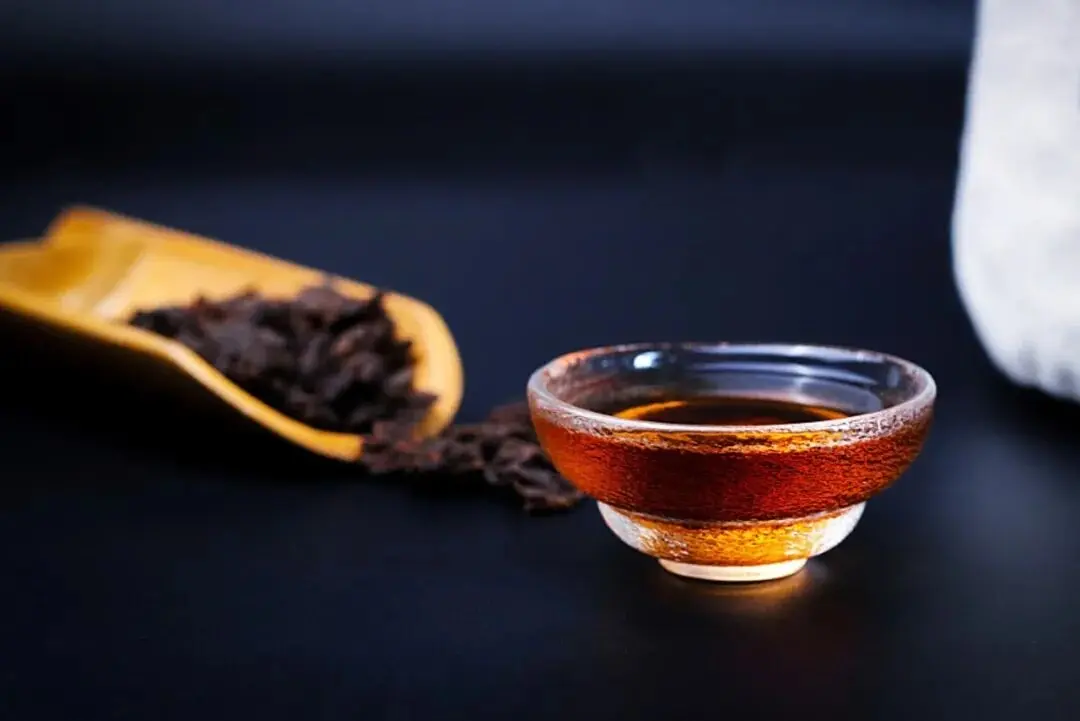
In traditional circles, Pu-erh is famous for managing cholesterol. By lowering blood lipids, it indirectly reduces the strain on your heart and helps keep your blood pressure within a healthier range.
Chrysanthemum Tea
This floral tea is used to "clear liver heat." If your high blood pressure is caused by stress, anger, or mental tension, the cooling effect of chrysanthemum can help soothe your nervous system.
Popular Herbal Infusions
When wondering what tea is good for high blood pressure, many people turn to ginger or chamomile. Let's look at the facts. Does ginger tea help high blood pressure? Ginger improves circulation and warms the body, but there is not enough clinical evidence to say it acts as a direct "blood pressure medication."
Similarly, is chamomile tea good for high blood pressure? Chamomile does not have a direct biochemical effect on your blood vessels. However, it is excellent for anxiety and sleep. If your pressure rises because you are stressed, chamomile helps indirectly by calming your mind.
Important Precautions and Side Effects
The Caffeine Trap
Strong black tea or concentrated green tea can cause a sudden heart rate increase in sensitive individuals. If you are struggling with daily spikes, stick to herbal options or light brews.
Drug Interactions
Always be careful with teas like licorice root, as they can actually raise blood pressure or interfere with the effectiveness of your prescription medicine.
How to Get the Best Results
- Consistency is Key: Drinking tea occasionally won't do much. You need to make it a daily habit to see vascular benefits.
- Keep it Pure: Avoid adding sugar or heavy creams. These add calories and inflammatory markers that work against your heart health.
Summary
Drinking tea is an excellent lifestyle addition, but it is not a replacement for medical treatment. Focus on hibiscus tea good for high blood pressure and green tea for the best results, and use chamomile to keep your stress levels in check.
Want to learn more about heart-healthy habits?
Managing your blood pressure takes a holistic approach. Click below to explore more natural ways to support your cardiovascular system!
Academic References
McKay, Diane L., et al. "Hibiscus Sabdariffa L. Tea (Sour Tea) Lowers Blood Pressure in Prehypertensive and Mildly Hypertensive Adults." The Journal of Nutrition, vol. 140, no. 2, 2010, pp. 298-303.
Pang, J., et al. "Green Tea Consumption and Risk of Cardiovascular Diseases: A Meta-Analysis." International Journal of Cardiology, vol. 221, 2016, pp. 38-43.
Wang, X., and Smith, T. "Traditional Herbal Medicines for Hypertension: From Mechanism to Clinical Practice." Heart and Vessels Journal, vol. 37, no. 3, 2022, pp. 155-168.
About the Author

Laicuherb
The core content team at Laicuherb is a collective of experts, including health professionals, consultants in Traditional Chinese Medicine, and experienced content strategists. Some articles are authored by our brand's founders or R&D scientists. Laicuherb team has deep expertise in herbal health, integrating the wisdom of traditional medicine, modern nutrition, and women's health research to transform ancient wellness principles into practical, accessible content for everyday life.