The 4 Key Benefits and Precautions of Cassia Seed Tea






Have you ever heard of Cassia Seed? This herb, famous in the field of Traditional Chinese Medicine (TCM), boasts remarkable benefits of cassia seed tea. Historically, it has been widely used to manage a variety of health issues. However, it's essential to note that not everyone is suited to consume Cassia Seed. It has its own contraindications and precautions. Below, we'll dive into the 4 main benefits of cassia seeds tea benefits and clarify 3 groups of people who should use it with caution, providing scientific guidance for the proper use of cassia tea benefits.
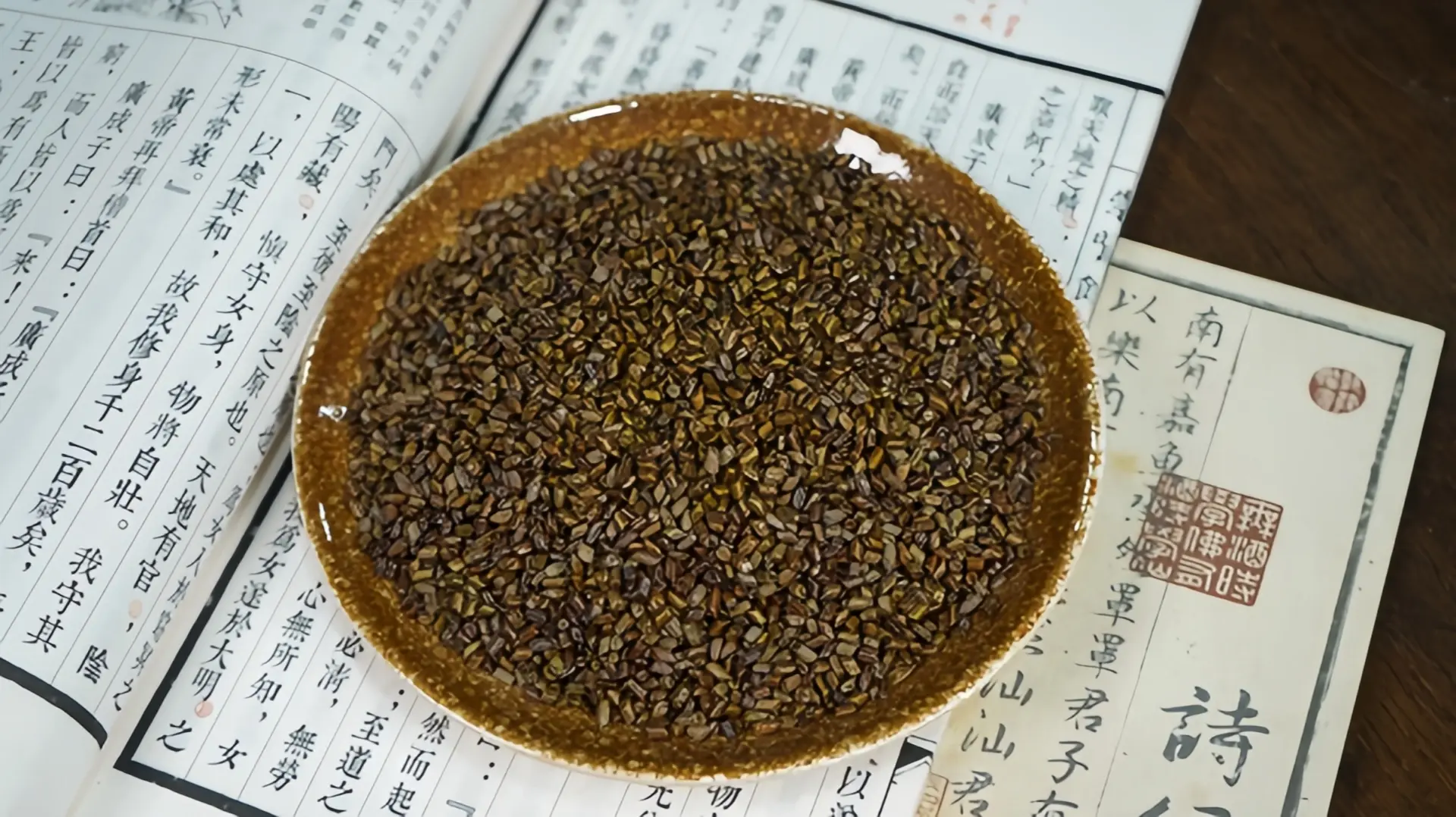
Table of Contents
The 4 Main Benefits and Effects of Cassia Seed
1. Improving Vision and Protecting Eye Health
Cassia Seed is rich in various nutrients, such as emodin and cassiaside, which help improve blood circulation in the eyes and relieve eye fatigue. For people who spend long hours facing electronic screens and frequently experience dryness or blurred vision, Cassia Seed is a solid option. In TCM, the liver "opens into the eyes," and Cassia Seed is known for its ability to clear liver heat and brighten the eyes. It can assist in managing symptoms like painful, red eyes and photophobia caused by excessive liver fire or liver-kidney yin deficiency. For example, brewing Cassia Seed with chrysanthemum flowers can help alleviate eye discomfort.
2. Moistening the Intestines and Promoting Bowel Movements
Cassia Seed contains significant dietary fiber. Once ingested, it absorbs water and swells, increasing stool volume and promoting intestinal peristalsis, which helps improve constipation. It provides a gentle stimulus to the intestines, making bowel movements easier, and is particularly suitable for people with functional constipation. However, it's important to note that the laxative effect of Cassia Seed is relatively mild and may have limited effectiveness for severe organic constipation. For consumption, the Cassia Seed is typically lightly fried before steeping in hot water daily. This is a primary reason people use cassia seed tea.
3. Regulating Blood Lipids and Aiding Weight Management
Modern research suggests that certain components in Cassia Seed help improve lipid metabolism, potentially lowering levels of cholesterol and triglycerides in the blood, thereby regulating blood lipids. Furthermore, it may inhibit fat accumulation in the body, contributing somewhat to weight management. Individuals concerned about high blood lipids or obesity can use Cassia Seed as an auxiliary measure under a doctor's guidance. Combining Cassia Seed with herbs like lotus leaf or hawthorn in a tea might enhance the effects for regulating lipids and weight loss.
4. Clearing Liver Heat and Draining Liver Fire
Cassia Seed primarily targets the liver channel (Gan Jing) and has the action of clearing and draining excessive Liver Fire (Gan Huo). When people experience strong emotional fluctuations or poor diet leading to an overactive Liver Fire, symptoms like dizziness, headache, irritability, and anger may appear. Cassia Seed helps improve these conditions by clearing the accumulated heat, allowing the flow of Qi and blood in the liver to return to normal. In daily life, you can steep Cassia Seed alone or combine it with herbs like Prunella vulgaris (Xia Ku Cao) to help alleviate symptoms associated with ascending Liver Fire.
Cassia Seed Precautions: 3 Groups Who Should Be Cautious
While cassia tea benefits are significant, due to its inherent properties, three specific groups must use it with caution.
1. Individuals with Cold Spleen and Stomach Deficiency
Cassia Seed is mildly cold in nature. Individuals with Cold Spleen and Stomach Deficiency already have weak digestive function and insufficient Yang energy. Taking Cassia Seed might further harm the Spleen Yang, potentially worsening symptoms like indigestion and diarrhea. These individuals should strictly control the dosage and duration of use, or choose processed Cassia Seed (which has reduced cold properties), and only under a professional's guidance.
2. Patients with Hypotension (Low Blood Pressure)
Cassia Seed has a certain blood pressure-lowering effect. For individuals who already have low blood pressure, consuming Cassia Seed could further reduce their pressure, leading to uncomfortable symptoms such as dizziness, fatigue, and heart palpitations. Therefore, patients with Hypotension should use Cassia Seed with caution to avoid adverse health effects.
3. Pregnant Women
Cassia Seed possesses a mild laxative effect. Given the sensitive state of Pregnant Women, taking Cassia Seed might stimulate uterine contractions, potentially increasing the risk of miscarriage. Additionally, its cold nature could have a potential impact on fetal development. For the health of both the mother and the fetus, Pregnant Women should avoid using Cassia Seed.
Conclusion
As an essential herb in TCM, Cassia Seed offers 4 main benefits: protecting eye health, promoting bowel movements, regulating blood lipids, and clearing Liver Fire. It certainly has a positive role in improving overall wellness. However, due to its nature, Cold Spleen and Stomach Deficiency sufferers, Hypotension patients, and Pregnant Women are the 3 groups that must use it with caution. When incorporating Cassia Seed into your routine, you must fully understand its effects and contraindications. Always apply it rationally under the guidance of a healthcare professional based on your specific body condition to maximize its benefits while avoiding potential adverse effects.
FAQ
Q: What are the side effects of cassia seeds?
A: Cassia seeds are commonly used as traditional Chinese medicinal herbs. When used at normal doses, they are generally safe. However, excessive or long-term use may cause side effects such as diarrhea and abdominal pain. The potential risks of cassia seeds are mainly related to factors such as the stimulating effect of anthraquinone components on the intestines, individual allergic constitutions, drug interactions, contraindications for specific populations, and improper processing.
Q: Who should not drink cassia seed?
A: The spleen and stomach are deficient in yang energy, the digestive system is not functioning well, and there is frequent diarrhea. People with low blood pressure, pregnant women, etc. should avoid consuming cinnamomum seeds and its related products.
Q: Is cassia seed a laxative?
A: Yes, cassia seed not only has the effect of relieving constipation, but also contains abundant antioxidant components, which can effectively promote overall health of the body.
About the Author

Laicuherb
The core content team at Laicuherb is a collective of experts, including health professionals, consultants in Traditional Chinese Medicine, and experienced content strategists. Some articles are authored by our brand's founders or R&D scientists. OLaicuherbur team has deep expertise in herbal health, integrating the wisdom of traditional medicine, modern nutrition, and women's health research to transform ancient wellness principles into practical, accessible content for everyday life.