Is Soursop Leaf Tea Good for You? What Research Says About Immunity and Antioxidants






Quick Summary:
- Soursop leaf tea contains acetogenins, flavonoids, and phenolic compounds.
- Laboratory studies show it may support immune function, reduce oxidative stress, and lower inflammatory markers.
- Potential risks: May interact with blood pressure medication; long-term high doses may affect the nervous system.
- Not recommended for pregnant women, children, people with kidney disease, or those with low blood pressure.
Article Contents
1. What Is Soursop Leaf Tea?
Soursop (Annona muricata) is a tropical fruit tree whose leaves have been used in traditional medicine across various cultures. Drying the leaves and brewing them into tea is the most common way to access their active compounds.
Modern science has identified multiple bioactive substances in soursop leaves, including acetogenins, alkaloids, and polyphenolic compounds. These components contribute to the tea's potential health benefits but also raise some safety considerations.
2. Three Science-Backed Health Benefits
2.1 Immune Support: What Laboratory Studies Show
Multiple studies have investigated how soursop leaf extracts may affect the immune system.
Immunomodulatory Effects
A study published in the Journal of Ethnopharmacology found that soursop leaf extract stimulated the production of cytokines, which are critical signaling molecules in immune responses. This suggests the leaves may help regulate the immune system's ability to respond to challenges.
Antimicrobial Activity
Laboratory research has also shown that soursop leaf extracts exhibit activity against certain bacteria and fungi. This indicates that drinking the tea may provide additional support for the body's natural defenses against some pathogens.
Nutrient Profile
Soursop leaves contain vitamin C, vitamin E, and other antioxidants, all of which play important roles in maintaining normal immune function.
It is important to note that most current evidence comes from laboratory or animal studies. Human clinical research remains limited.
2.2 Antioxidant Properties: Lab-Tested Results
The antioxidant capacity of soursop leaf tea has been validated across multiple laboratory studies.
Free Radical Scavenging Activity
A study published in the Journal of Agricultural and Food Chemistry used the DPPH assay to measure antioxidant activity. Results showed that soursop leaf extract demonstrated free radical scavenging activity comparable to well-known antioxidants.
Phenolic Content
Laboratory analyses have identified multiple phenolic compounds in soursop leaves, including flavonoids, phenolic acids, and tannins. These substances neutralize harmful free radicals and protect cells from oxidative damage.
Protective Effects in Cell Models
In vitro studies using cell cultures found that cells pre-treated with soursop leaf extract maintained better integrity and function when later exposed to oxidative stressors.
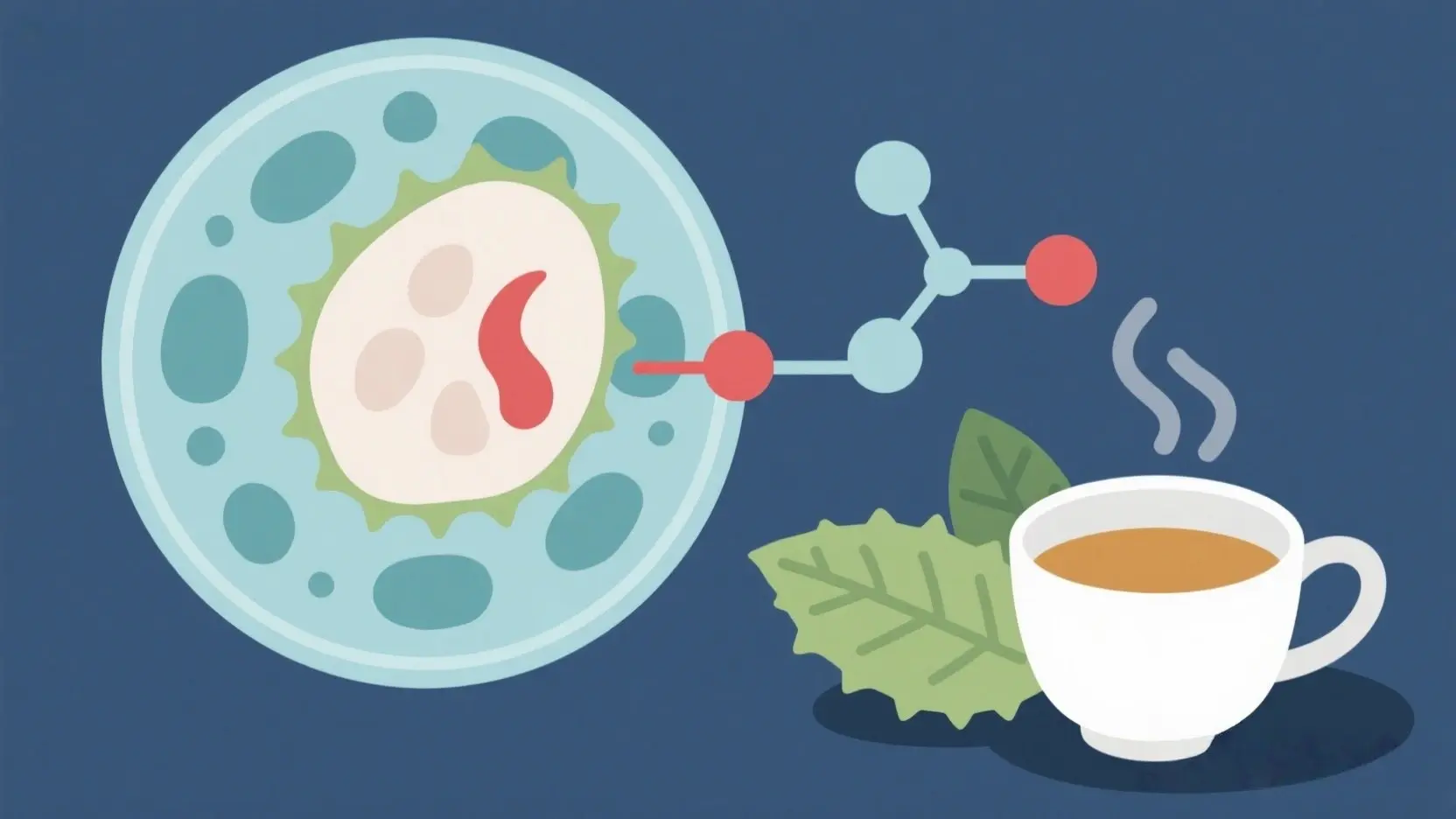
2.3 Anti-Inflammatory Potential: Molecular-Level Evidence
Chronic inflammation is linked to numerous health concerns, making natural anti-inflammatory agents particularly valuable.
Inhibition of Inflammatory Mediators
A research article in the International Journal of Molecular Sciences reported that soursop leaf extract significantly reduced levels of pro-inflammatory cytokines such as TNF-α and IL-1β. This indicates that compounds in the leaves may help modulate inflammatory responses at the molecular level.
Antioxidant-Mediated Anti-Inflammatory Effects
The antioxidant properties of soursop leaves also support their anti-inflammatory effects. By scavenging free radicals and reducing oxidative stress, the tea may indirectly alleviate inflammation.
3. Summary of Evidence Strength
| Benefit | What Research Shows | Strength of Evidence |
|---|---|---|
| Immune support | Cytokine stimulation, antimicrobial activity | Moderate (primarily laboratory studies) |
| Antioxidant | DPPH scavenging activity, high phenolic content | Strong (consistent across multiple assays) |
| Anti-inflammatory | Reduced TNF-α and IL-1β levels | Moderate (animal and cell studies) |
4. How to Brew Soursop Leaf Tea Correctly
Basic Method:
- Use 1-2 grams of dried soursop leaves (or one tea bag).
- Pour 250-300 ml of boiling water over the leaves.
- Cover and steep for 5-10 minutes.
- Strain and drink. Honey or lemon may be added to taste.
Usage Recommendations:
- Limit to 1-2 cups per day.
- Avoid continuous use for more than 2-3 weeks.
- Consult a doctor or TCM practitioner before long-term use.
5. Important Safety Information
While soursop leaf tea has promising benefits, it is not for everyone.
Research has identified annonacin, a neurotoxic compound, in soursop leaves. Long-term, high-dose consumption has been associated with neurological issues in some studies. This does not mean the tea cannot be enjoyed, but moderation is essential.
Who Should Avoid Soursop Leaf Tea:
- Pregnant or breastfeeding women
- Children
- People with kidney disease
- Individuals with low blood pressure
- Those taking blood pressure medication
If you have any underlying health conditions or are taking prescription medications, consult a healthcare provider before adding soursop leaf tea to your routine.
6. Frequently Asked Questions
Q: Does soursop leaf tea benefit kidney function?
A: There is no scientific evidence supporting benefits for kidney function. Due to the presence of annonacin, individuals with kidney disease should avoid this tea.
Q: Can I drink soursop leaf tea every day?
A: Moderate consumption (1-2 cups per day for up to 2-3 weeks) is generally considered acceptable for healthy adults. Long-term daily use is not recommended without medical supervision.
Q: Is fresh or dried soursop leaf better?
A: The effects are similar. Dried leaves or tea bags are more convenient and have a longer shelf life.
Q: Does soursop leaf tea interact with medications?
A: It may interact with blood pressure medications. If you are taking any prescription drugs, consult your doctor before drinking this tea.
7. Conclusion
Soursop leaf tea offers several science-backed benefits, including immune support, antioxidant protection, and anti-inflammatory effects. However, it is not without risks. Understanding both the benefits and the safety considerations is essential before adding this tea to your routine.
For healthy adults consuming it occasionally and in moderation, soursop leaf tea can be a natural addition to a balanced lifestyle. For those who are pregnant, have chronic health conditions, or take regular medications, caution and professional medical advice are strongly recommended.
If you are interested in trying organic soursop leaf tea, look for brands that source from clean, pesticide-free farms. Laicuherb offers one such option, with over a century of experience in herbal blends. For questions or wholesale inquiries, you can reach them at hello@laicuherb.com.
References
- Coria-Téllez, A. V., Montalvo-Gónzalez, E., Yahia, E. M., & Obledo-Vázquez, E. N. (2018). Annona muricata: A comprehensive review on its traditional medicinal uses, phytochemicals, pharmacological activities, mechanisms of action and toxicity. Arabian Journal of Chemistry, 11(5), 662-691.
- Gavamukulya, Y., Abou-Elella, F., Wamunyokoli, F., & AEl-Shemy, H. (2014). Phytochemical screening, anti-oxidant activity and in vitro anticancer potential of ethanolic and water leaves extracts of Annona muricata (Graviola). Asian Pacific Journal of Tropical Medicine, 7S1, S355-S363.
- Moghadamtousi, S. Z., Fadaeinasab, M., Nikzad, S., Mohan, G., Ali, H. M., & Kadir, H. A. (2015). Annona muricata (Annonaceae): A review of its traditional uses, isolated acetogenins and biological activities. International Journal of Molecular Sciences, 16(7), 15625-15658.
- Pieme, C. A., Kumar, S. G., Dongmo, M. S., Moukette, B. M., Boyoum, F. F., Ngogang, J. Y., & Saxena, A. K. (2014). Antiproliferative activity and induction of apoptosis by Annona muricata (Annonaceae) extract on human cancer cells. BMC Complementary and Alternative Medicine, 14, 516.
- Rady, I., Bloch, M. B., Chamcheu, R. N., Banang Mbeumi, S., Anwar, M. R., Mohamed, H., Babatunde, A. S., Kuiate, J. R., Noubissi, F. K., El Sayed, K. A., Whitfield, G. K., & Chamcheu, J. C. (2018). Anticancer Properties of Graviola (Annona muricata): A Comprehensive Mechanistic Review. Oxidative Medicine and Cellular Longevity, 2018, 1826170.
About the Author

Laicuherb
The core content team at Laicuherb is a collective of experts, including health professionals, consultants in Traditional Chinese Medicine, and experienced content strategists. Some articles are authored by our brand's founders or R&D scientists. Laicuherb team has deep expertise in herbal health, integrating the wisdom of traditional medicine, modern nutrition, and women's health research to transform ancient wellness principles into practical, accessible content for everyday life.
© 2026 Laicuherb. Your State Your Tea.