PCOS Tea Guide: Spearmint vs. Peppermint and Other Herbal Remedies






If you are comparing teas for a personal routine while living with PCOS, the first question is not simply which tea is “best.” Spearmint, peppermint, matcha and lemon balm have different flavors, caffeine profiles and research backgrounds, and none should be treated as a replacement for medical diagnosis or PCOS care.
This guide compares what is known, what remains uncertain and what to consider before adding an herbal tea to your routine. We focus on tea choice, preparation and safety questions—not on treating PCOS or guaranteeing changes in hormones, acne, hair growth, metabolism or fertility.
Table of Contents
- 1. Quick Comparison: Which Tea Question Are You Trying to Answer?
- 2. Spearmint Tea: What the Small Studies Actually Show
- 3. Spearmint vs. Peppermint: Flavor, Caffeine and Evidence Differences
- 4. Matcha: Caffeine and General Nutrition Questions
- 5. Lemon Balm: A Routine Option for Stress and Sleep Conversations
- 6. Safety Questions Before Adding Herbal Tea
- 7. When to Speak With a Healthcare Professional
- 8. How to Choose a Tea for Your Routine
- 9. Key Takeaways
- 10. FAQ
- 11. References
- 12. About the Author
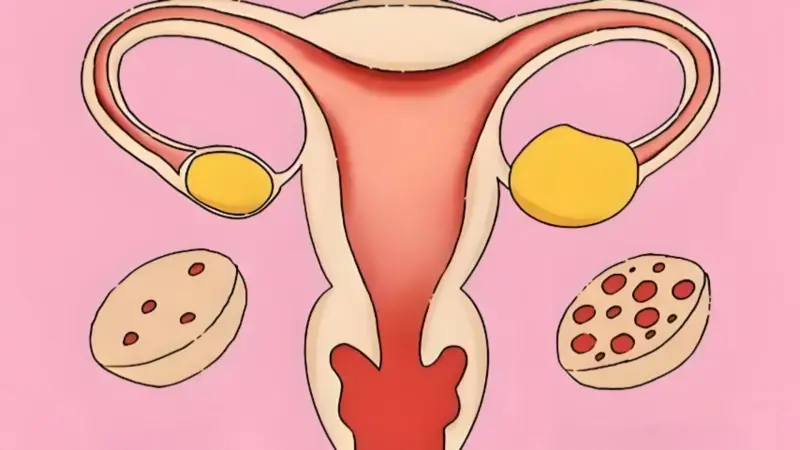
1. Quick Comparison: Which Tea Question Are You Trying to Answer?
When people search for a PCOS tea, they may be asking different questions. Some want a caffeine-free beverage, some are comparing spearmint and peppermint, and others want to understand how matcha or lemon balm may fit into a daily routine. These are different decisions and should not be reduced to a single “best tea” answer.
The sections below compare the four teas by their flavor, caffeine profile, preparation questions and research background. They do not rank one tea as a treatment for PCOS.
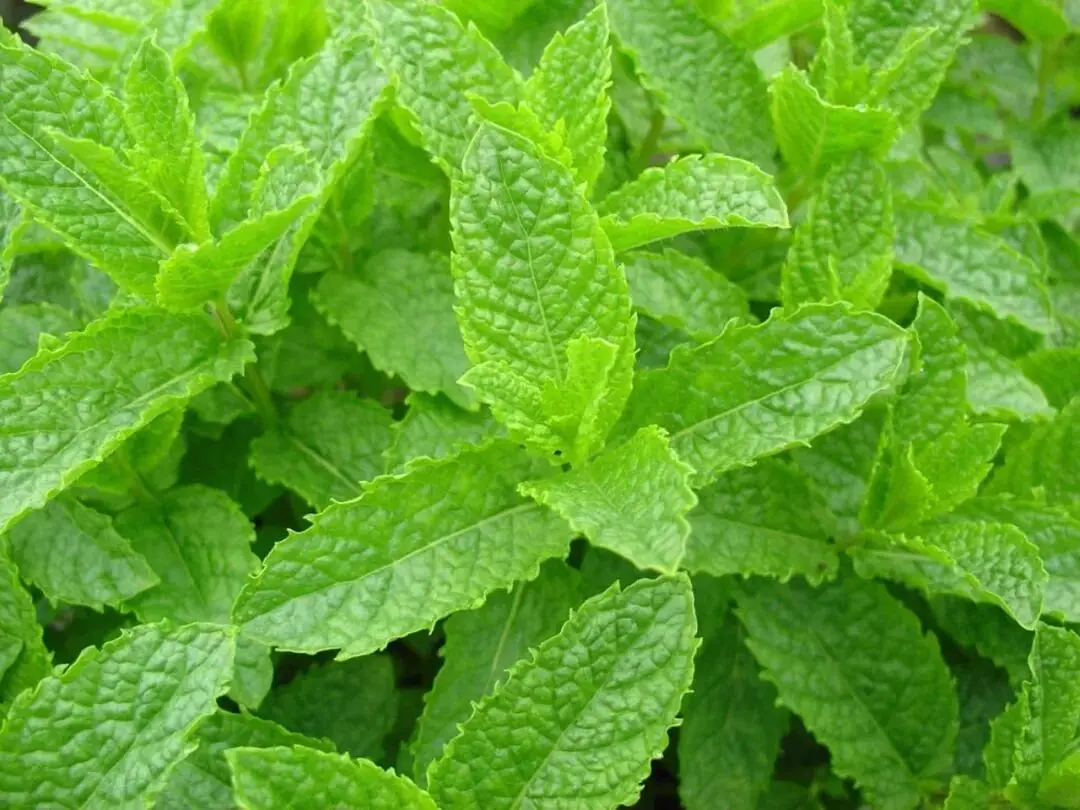
2. Spearmint Tea: What the Small Studies Actually Show
Spearmint is often discussed in relation to PCOS because a small number of studies have explored its possible effects on androgen-related measures. That is a reason for continued research, not proof that spearmint tea treats PCOS or produces the same result for every person.
When reviewing a study, check the participant group, tea preparation, intake period and measured outcome. A change in a laboratory marker is not the same as a guaranteed change in acne, hair growth, cycles or fertility.
2.1 How to Read the Evidence
Some research has examined androgen-related laboratory measures after spearmint tea use, but the evidence is limited and does not establish a standard tea dose or a guaranteed clinical outcome. The available findings should not be presented as proof that spearmint tea directly treats hirsutism, acne, PCOS or hormone imbalance.
If symptoms such as excess hair growth, acne, irregular cycles or pelvic pain are concerning, a healthcare professional can help assess possible causes and appropriate treatment options.
Evidence note: This finding comes from a limited study and should not be interpreted as proof of a treatment effect for every person.
2.2 Adding Spearmint to a Beverage Routine
For a general beverage routine, prepare spearmint tea according to the package directions or the instructions provided by the tea maker. This article does not establish a therapeutic dose. If you take medication, are pregnant or breastfeeding, or have questions about regular use, ask a qualified healthcare professional.
3. Spearmint vs. Peppermint: Flavor, Caffeine and Evidence Differences
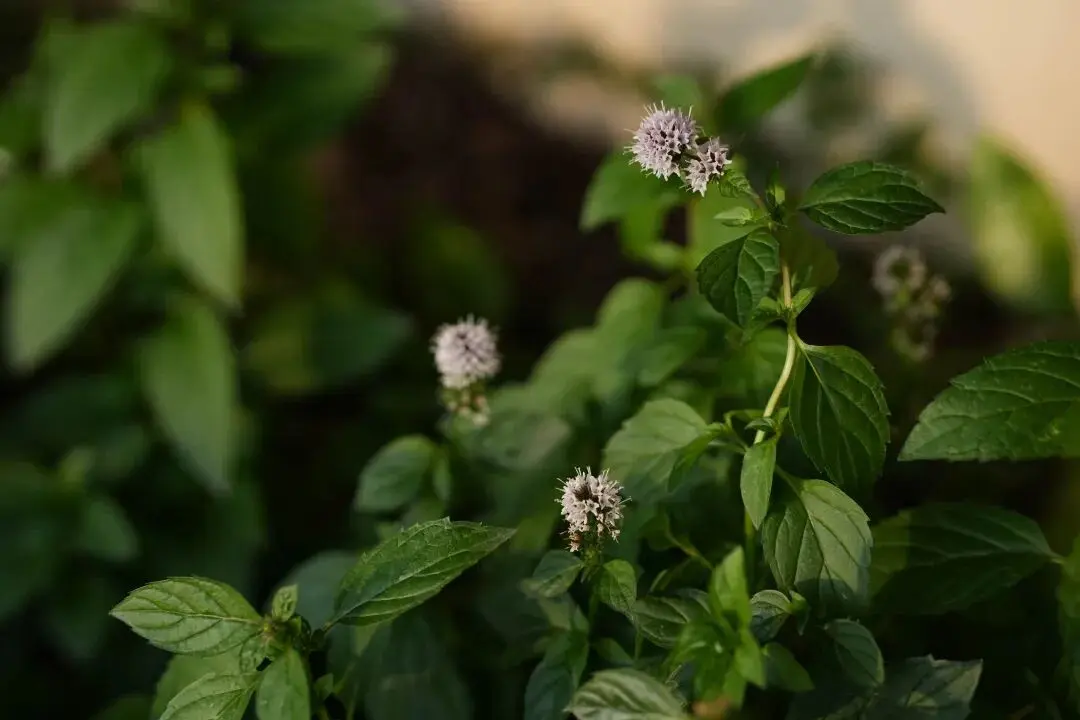
Peppermint is commonly chosen for its cooling menthol flavor and is included in many digestive-focused beverage routines. Individual tolerance varies, and a tea should not be used to diagnose or manage IBS or other gastrointestinal conditions. People with reflux, medication questions or persistent symptoms should ask a healthcare professional.
The practical difference for this comparison is that peppermint and spearmint have different flavor profiles and research histories. Neither should be selected as a guaranteed hormone or PCOS treatment.
4. Matcha: Caffeine and General Nutrition Questions
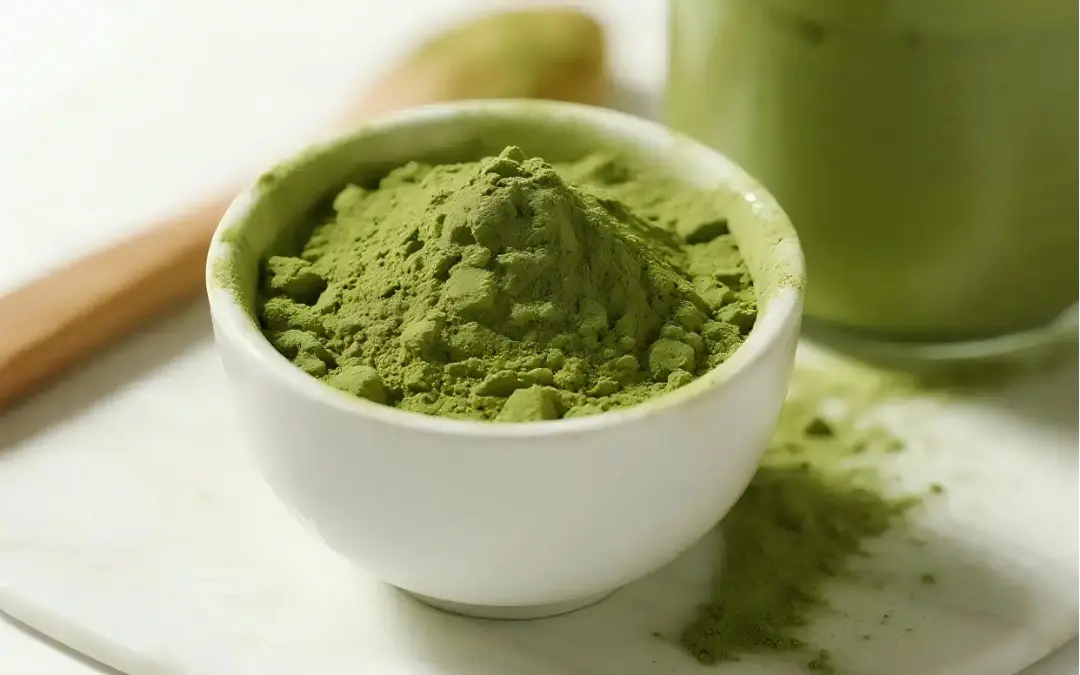
Matcha contains caffeine and tea polyphenols, so the most practical questions are often serving size, timing, caffeine sensitivity and whether it fits an individual's routine. Research on green tea compounds and metabolic measures does not make matcha a treatment for insulin resistance, weight concerns, mood changes or PCOS.
If caffeine affects sleep, anxiety, heart rate or medication use, choose a lower-caffeine option or ask a qualified healthcare professional for individualized guidance.
5. Lemon Balm: A Routine Option for Stress and Sleep Conversations
Lemon balm is often included in calming beverage routines. Research on lemon balm preparations has explored areas such as mood or sleep, but results depend on the preparation, amount, study design and participant group. It should not be presented as a treatment for PCOS, cortisol imbalance, fertility concerns or hormone repair.
For persistent sleep problems, severe anxiety or symptoms that affect daily life, seek professional care rather than relying on tea alone.
6. Safety Questions Before Adding Herbal Tea
Ask a qualified healthcare professional before use if you are pregnant or breastfeeding, take prescription medication, have a diagnosed condition, have allergies, are trying to conceive or have persistent symptoms.
7. When to Speak With a Healthcare Professional
If symptoms such as excess hair growth, acne, irregular cycles or pelvic pain are concerning, a healthcare professional can help assess possible causes and appropriate treatment options.
Anyone trying to conceive, pregnant or breastfeeding should discuss herbal products with a qualified healthcare professional before use.
8. How to Compare a Tea With Your Personal Routine
Rather than choosing a tea based on a promise of hormone or symptom correction, compare:
- The ingredient list and serving instructions
- Caffeine content and your sensitivity to caffeine
- Medication, pregnancy, breastfeeding or allergy questions
- The flavor and preparation format you can use consistently
- Whether the page clearly explains what the product does and does not claim
If you want to review a commercial herbal blend, open the Laicuherb PCOS-focused product page to check its actual ingredients, specifications and product information. The product page should be evaluated separately from this educational comparison article.
9. Key Takeaways
- Spearmint and peppermint are different herbs with different flavor profiles and research backgrounds.
- Small or limited studies do not establish a guaranteed tea treatment for PCOS, acne, excess hair growth, insulin resistance, sleep problems or fertility.
- Matcha adds caffeine, so timing and personal tolerance matter.
- Lemon balm and peppermint may fit some calming or beverage routines, but persistent symptoms need professional assessment.
- Review the complete ingredient list and package directions before use, especially if you are pregnant, breastfeeding, taking medication or managing a diagnosed condition.
Tea can be part of a personal beverage routine, but it should not replace diagnosis, treatment or ongoing care from a qualified healthcare professional.
10. FAQ
Q: How soon might someone notice an effect from spearmint tea?
A: There is no reliable universal timeline, and one cup should not be described as producing a significant change in hirsutism, acne, hormones or PCOS symptoms. Research findings depend on the study design and preparation. Discuss persistent or concerning symptoms with a qualified healthcare professional.
Q: Can matcha be part of a PCOS-focused beverage routine?
A: Matcha contains caffeine and tea polyphenols, but it is not a treatment for PCOS or insulin resistance. Consider caffeine sensitivity, timing, medication questions and the preparation instructions. Ask a healthcare professional if you need individualized guidance.
Q: Does lemon balm tea support fertility or conception?
A: This article cannot establish lemon balm tea as a fertility or conception aid. Anyone trying to conceive, pregnant or breastfeeding should discuss herbal products with a qualified healthcare professional before use.
Q: When should someone ask a healthcare professional before trying an herbal tea?
A: Ask before use if you are pregnant or breastfeeding, take prescription medication, have a diagnosed condition, have allergies, are trying to conceive or have persistent symptoms. A healthcare professional can help assess the ingredient list and your individual situation.
11. References
How to read these references: The studies below provide background for specific ingredients or research questions. They do not establish that any tea treats PCOS or guarantees changes in hormones, acne, hair growth, metabolism, sleep or fertility.
Evidence note: This finding comes from a limited study and should not be interpreted as proof of a treatment effect for every person.
- Grant, P. (2009). Spearmint herbal tea has significant anti-androgen effects in polycystic ovarian syndrome. A randomized controlled trial. Phytotherapy Research, 23(1), 169–170.
- Tehrani, H., et al. (2017). Effect of green tea on metabolic and hormonal aspect of polycystic ovarian syndrome in overweight and obese women suffering from polycystic ovarian syndrome: A clinical trial. International Journal of Reproductive BioMedicine, 15(1), 33–40.
- Scholey, A., et al. (2002). Anxiolytic and memory-enhancing properties of an extract of Melissa officinalis L. (Lemon Balm) in healthy young volunteers. Biological Psychology, 60(2), 195–204.
- Cases, J., et al. (2011). Pilot trial of Melissa officinalis L. leaf extract in the treatment of volunteers suffering from mild-to-moderate anxiety disorders and sleep disturbances. Mediterranean Journal of Nutrition and Metabolism, 4(3), 211–218.
- Mantle, D., et al. (2009). Adverse events and drug interactions for popular herbal remedies. The Journal of Pharmacy and Pharmacology, 61(11), 1421–1439.
- Oladele, C. A., Areloegbe, S. E., Emereonye, C. F., & Olaniyi, K. S. (2025). Mentha spicata and its bioactive compound carvone ameliorate metabolic disturbance and ovarian dysfunction in an experimental rat model of PCOS. American Journal of Reproductive Immunology, 94(5), e70183. PubMed record.
- For general hormone-test background, see Cleveland Clinic’s LH information and Mount Sinai’s FSH test information.
- For general digestive-symptom background, see Mayo Clinic’s IBS overview.