Omega Fatty Acids: The Essential Fats Behind Brain, Heart, and Overall Health






Few nutrients in modern nutrition science are discussed as often as Omega Fatty Acids.
They appear everywhere — from fish oil supplements and infant formula to fitness products and heart-health advertisements. Yet many people still struggle to understand:
- What is the difference between Omega-3 and Omega-6?
- What do DHA, EPA, and ALA actually mean?
- Why do doctors recommend eating fatty fish?
- Are omega fatty acids always healthy?
In reality, omega fatty acids are far more than trendy nutrition buzzwords. They are fundamental building blocks of the human body, playing critical roles in the brain, immune system, cardiovascular health, and cellular function.
This guide explains the science behind omega fatty acids, their health benefits, food sources, recommended intake, and the latest research — in a clear and practical way.
What Are Omega Fatty Acids?
Omega fatty acids are a type of polyunsaturated fat, often abbreviated as PUFAs (Polyunsaturated Fatty Acids).
A fatty acid is essentially a chain of carbon atoms. When the chain contains one or more double bonds, the fat is considered “unsaturated.” If multiple double bonds are present, it becomes “polyunsaturated.”
Scientists classify omega fats based on the position of the first double bond from the end of the carbon chain.
Omega-3
The first double bond is located at the third carbon atom from the end.
Omega-6
The first double bond is located at the sixth carbon atom from the end.
Omega-9
The first double bond is located at the ninth carbon atom from the end.
Among these, Omega-3 and Omega-6 are considered essential fatty acids, meaning the human body cannot produce them on its own and must obtain them through food.
Omega-3: The Most Studied Healthy Fat
Omega-3 fatty acids are among the most researched nutrients in modern medicine. The three major forms include:
| Abbreviation | Full Name | Main Sources | Primary Functions |
|---|---|---|---|
| ALA | Alpha-Linolenic Acid | Flaxseed, walnuts | Plant-based omega-3 |
| EPA | Eicosapentaenoic Acid | Fatty fish | Anti-inflammatory support |
| DHA | Docosahexaenoic Acid | Fish, algae | Brain and eye health |
ALA: The Plant-Based Omega-3
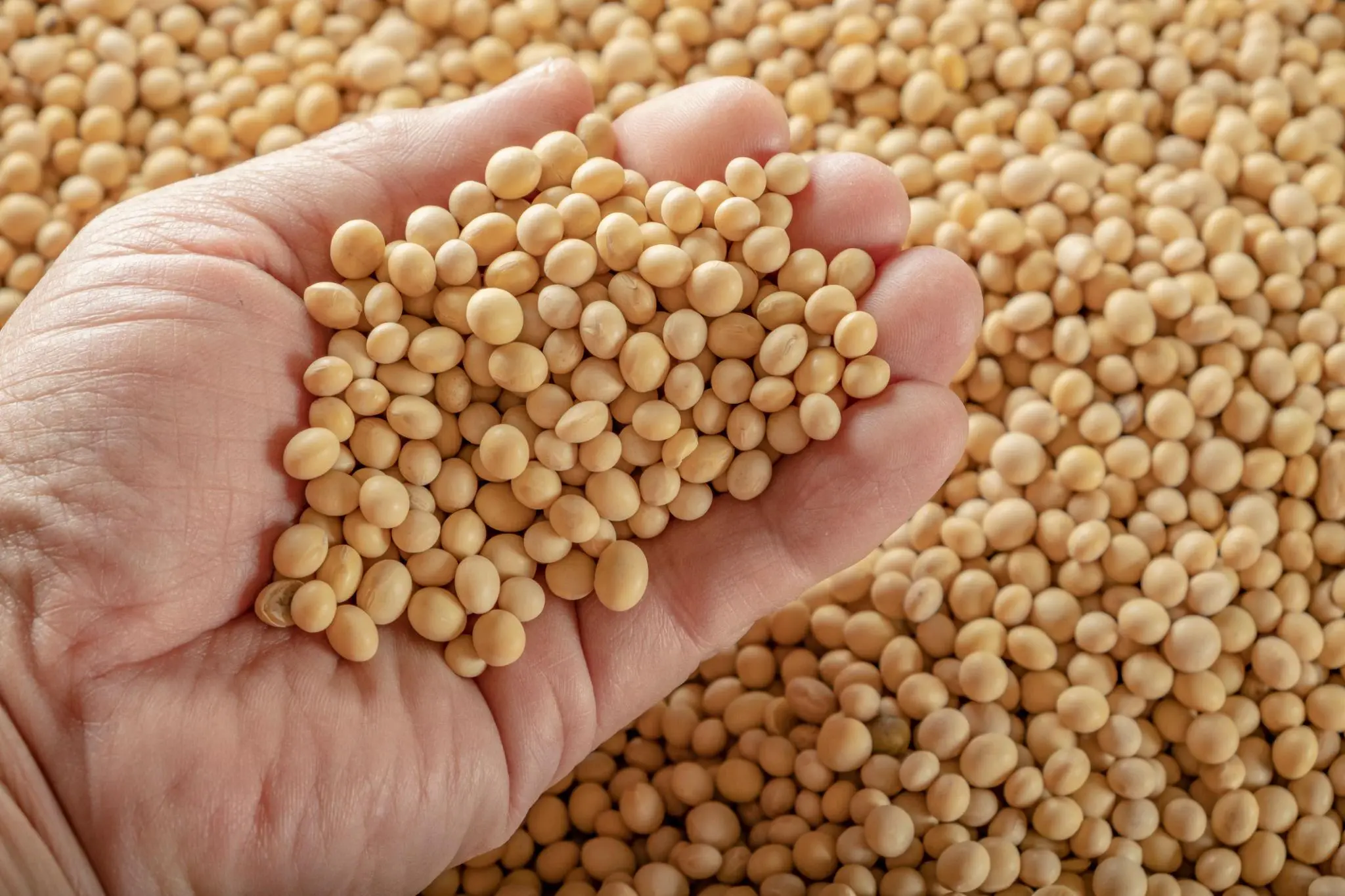
ALA is primarily found in plant foods such as:
- Flaxseed
- Chia seeds
- Walnuts
- Canola oil
- Soybeans
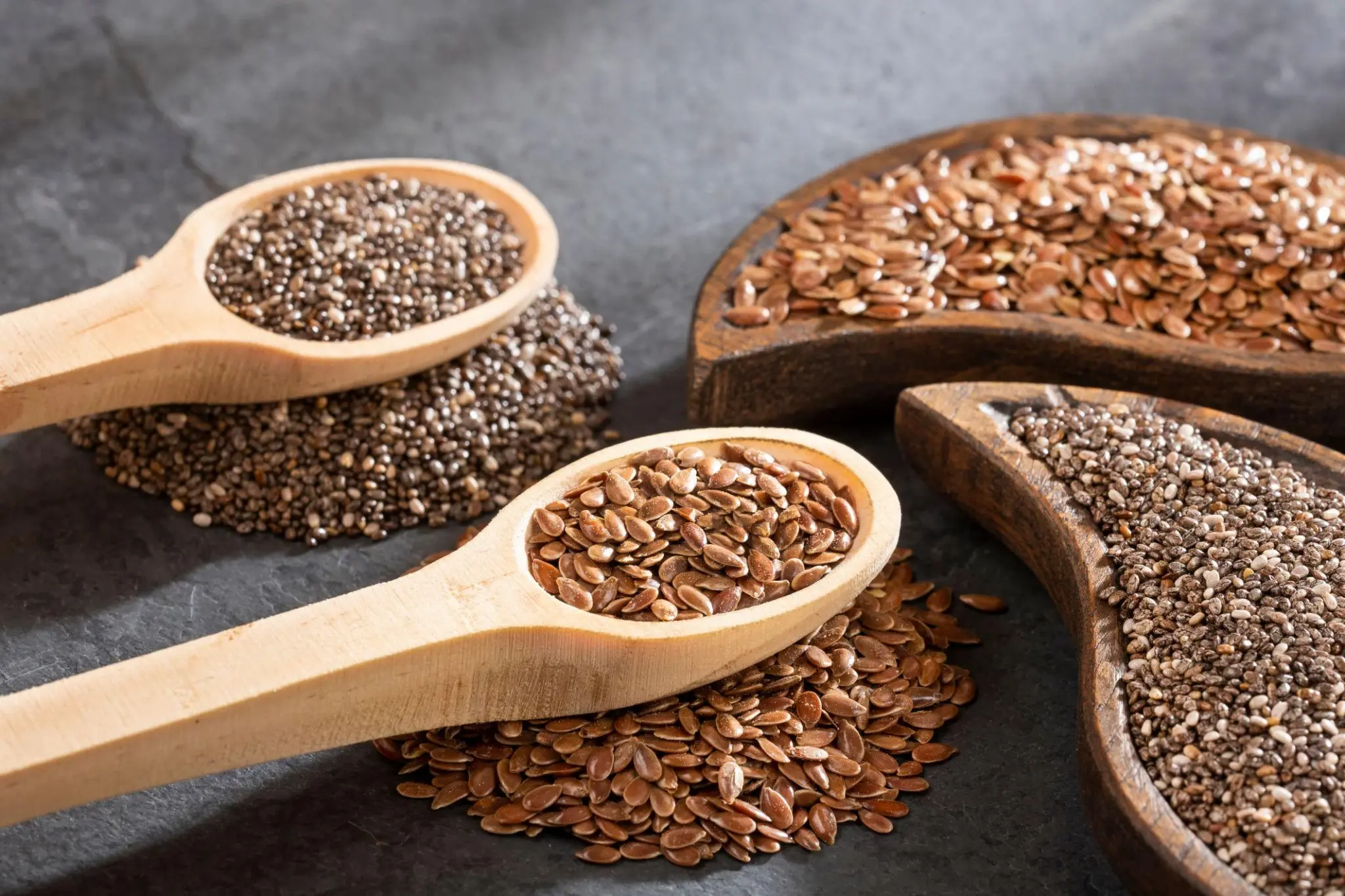
The body can convert ALA into EPA and DHA, but the process is highly inefficient. Typical conversion rates are estimated to be: Less than 10% for EPA; Often below 5% for DHA. For this reason, relying entirely on plant sources may not provide enough DHA for optimal health.

DHA: A Critical Fat for the Brain
DHA is one of the most important structural fats in the human brain. Research suggests:
- Roughly 20% of the brain’s fat content is DHA
- The retina contains exceptionally high levels of DHA
- Infant brain development depends heavily on adequate DHA intake
Pregnant women and infants are especially dependent on sufficient DHA. Low DHA levels may negatively affect: Memory, Learning ability, Cognitive performance, Visual development.
Researchers are also studying DHA’s potential role in: Alzheimer’s disease, ADHD, Mood disorders, Age-related cognitive decline.
EPA: The Body’s Inflammation Regulator
EPA is best known for helping produce signaling molecules called eicosanoids. These compounds influence many important body functions, including:
- Inflammation
- Blood clotting
- Blood vessel function
- Immune responses
EPA-derived eicosanoids generally promote: Reduced chronic inflammation, Improved cardiovascular function, Better blood flow, Lower clotting risk. This is one reason fish oil is often associated with heart-health support and inflammatory conditions.
Omega-6: Not the “Bad Fat”
Omega-6 fats are frequently misunderstood. In reality, they are also essential for human health. Major Omega-6 fatty acids include:
| Abbreviation | Full Name |
|---|---|
| LA | Linoleic Acid |
| AA | Arachidonic Acid |
Omega-6 fats are commonly found in: Corn oil, Soybean oil, Sunflower oil, Processed foods, Fried foods.
AA also produces eicosanoids, but these tend to encourage: Inflammation, Blood clotting, Immune activation. However, inflammation itself is not inherently harmful. It is part of the body’s natural defense and healing process. The real issue is that modern diets often contain excessive Omega-6 while lacking sufficient Omega-3.
Why the Omega-3 to Omega-6 Balance Matters
Anthropologists estimate that ancient human diets had an Omega-6 to Omega-3 ratio close to: 1:1 to 4:1. In contrast, modern Western diets may reach: 15:1 to 20:1.
This imbalance has been associated with: Chronic inflammation, Obesity, Cardiovascular disease, Metabolic disorders.
"Instead of completely avoiding Omega-6, focus on increasing Omega-3 intake and reducing ultra-processed foods."
How Omega Fatty Acids Affect the Body
1. Heart Health
Omega-3 fatty acids may help: Lower triglyceride levels, Improve blood vessel flexibility, Support healthy heart rhythm, Slightly reduce blood pressure. Studies have consistently linked regular fish consumption with better cardiovascular outcomes.
2. Brain and Cognitive Function
DHA plays a major role in maintaining the structure of nerve cell membranes. Researchers continue exploring its connection to: Memory decline, Depression, Anxiety, ADHD. Although omega-3 is not a miracle cure, long-term deficiency may negatively affect neurological health.
3. Eye Health
The retina is rich in DHA. Omega-3 intake may help support: Retinal function, Visual development, Dry eye relief.
4. Inflammation and Immunity
EPA and DHA may help regulate chronic low-grade inflammation associated with: Rheumatoid arthritis, Metabolic disease, Inflammatory conditions. However, omega-3 supplements should not replace professional medical treatment.
Best Food Sources of Omega-3

Fatty Fish (The Richest Source)
Excellent choices include: Salmon, Sardines, Mackerel, Herring, Trout. These fish are naturally rich in EPA and DHA.
Plant Sources
Plant-based Omega-3 foods include: Flaxseed, Chia seeds, Walnuts, Canola oil, Soybeans. These primarily provide ALA.
Algae-Based Sources
Algae are the original source of marine DHA. Today, algae oil supplements are increasingly popular among: Vegetarians, Vegans, Pregnant women, People who avoid seafood.
Are Omega-3 Supplements Necessary?
Not always. Whether supplementation is beneficial depends largely on dietary habits. People who may benefit include: Individuals who rarely eat fish, Vegetarians and vegans, Pregnant women, Older adults, Individuals with high triglyceride levels.
| Supplement Type | Characteristics |
|---|---|
| Fish Oil | Most widely used |
| Algae Oil | Vegan-friendly |
| Cod Liver Oil | Contains vitamins A and D |
| Krill Oil | Contains phospholipids and astaxanthin |
Can You Consume Too Much Omega-3?
Yes. Excessive intake may lead to: Digestive discomfort, Acid reflux, Increased bleeding risk at very high doses. People taking medications such as: Warfarin, Aspirin, Blood thinners should consult a healthcare professional before using high-dose omega-3 supplements.
Most health organizations suggest that: 250–500 mg of combined EPA and DHA per day is reasonable for healthy adults.
Practical Ways to Increase Omega-3 Intake
- Eat Fatty Fish Twice Per Week: Prioritize options such as: Salmon, Sardines, Mackerel
- Reduce Ultra-Processed Oils and Fried Foods: Especially foods high in refined vegetable oils.
- Add More Natural Plant Sources: Examples include: Walnuts, Flaxseed, Chia seeds
- Read Supplement Labels Carefully: Pay attention to: EPA content, DHA content, Heavy metal testing, Third-party certification
FAQ: Common Questions About Omega Fatty Acids
Is Omega-3 the Same as Fish Oil?
No. Omega-3 refers to a category of fatty acids, while fish oil is simply one source of Omega-3.
How Can Vegetarians Get DHA?
Algae oil supplements are one of the best vegetarian-friendly DHA sources.
Should Omega-6 Be Avoided Completely?
No. Omega-6 fats are essential for human health. The goal is balance, not elimination.
Is Eating Fish Better Than Taking Fish Oil?
In many cases, yes. Whole fish also provide: High-quality protein, Selenium, Vitamin D. Whole foods generally offer broader nutritional benefits than isolated supplements.
Do Pregnant Women Need DHA?
Many experts believe DHA plays an important role in fetal brain development. However, supplementation should be discussed with a healthcare provider.
Can Omega-3 Treat Depression?
Research suggests omega-3 may support mental health, but it should not replace professional psychiatric care or medication.
Final Thoughts: Balance Matters More Than Supplements
The true importance of Omega Fatty Acids is not that they are “trendy nutrients.” Their significance lies in the fact that modern diets have changed dramatically: We consume far more processed fats, We eat fewer natural omega-rich foods, Our Omega-3 to Omega-6 balance has shifted.
Rather than chasing extremely high-dose fish oil supplements, a healthier long-term strategy may be: Eating more whole foods, Including fatty fish regularly, Reducing ultra-processed foods, Maintaining a healthier balance of dietary fats. That balance may ultimately be the most important lesson behind omega fatty acids.
Definitions
Omega-3: ALA (Alpha-Linolenic Acid), EPA (Eicosapentaenoic Acid), DHA (Docosahexaenoic Acid)
Omega-6: LA (Linoleic Acid), AA (Arachidonic Acid)
References
- National Institutes of Health (NIH). Omega-3 Fatty Acids Fact Sheet for Health Professionals
- American Heart Association. Fish and Omega-3 Fatty Acids
- Dietary Guidelines for Americans 2025–2030
- Simopoulos AP. The Importance of the Ratio of Omega-6/Omega-3 Essential Fatty Acids
- Harvard T.H. Chan School of Public Health. The Nutrition Source: Fats and Cholesterol
- Calder PC. Omega-3 Fatty Acids and Inflammatory Processes
- World Health Organization (WHO). Healthy Diet Factsheet
- American Psychiatric Association. Omega-3 Fatty Acids and Mental Health
About the Author

Laicuherb
The core content team at Laicuherb is a collective of experts, including health professionals, consultants in Traditional Chinese Medicine, and experienced content strategists. Some articles are authored by our brand's founders or R&D scientists. Laicuherb team has deep expertise in herbal health, integrating the wisdom of traditional medicine, modern nutrition, and women's health research to transform ancient wellness principles into practical, accessible content for everyday life.
© 2026 Laicuherb. Your State Your Tea.