Best Practices for Drinking Herbal Tea as Part of a Healthy Weight Plan






Quick summary: This guide explains how to use a herbal tea blend containing lotus leaf, cassia seed, moringa, mulberry leaf, and green tea as part of a weight management routine. Key recommendations: drink 30 minutes before breakfast or 1 hour before exercise for potential metabolic support; cycle use (e.g., 4–6 weeks on, 1–2 weeks off); stop if digestive discomfort or caffeine sensitivity occurs. Weight loss results require a calorie deficit and regular exercise—tea alone is not sufficient. Always consult a doctor before starting any herbal regimen, especially if pregnant, nursing, or on medication.
Table of Contents
What’s in the Tea? Key Ingredients at a Glance
| Ingredient | Traditional Use | Key Compounds |
|---|---|---|
| Green tea | Energy, metabolism | EGCG, caffeine, L‑theanine |
| Lotus leaf | Fat metabolism, weight management | Nuciferine, flavonoids |
| Moringa seed | Nutritional support, anti‑inflammatory | B vitamins, vitamin C, quercetin |
| Mulberry leaf | Blood sugar regulation | DNJ (1‑deoxynojirimycin) |
| Cassia seed | Digestive health, mild laxative | Anthraquinones, flavonoids |
What Does Science Say? Evidence Strength
| Ingredient | Claimed Effect | Evidence Strength | Key Finding |
|---|---|---|---|
| Green tea | Increases thermogenesis | Strong | Meta‑analyses show 4–5% increase in energy expenditure |
| Lotus leaf | Inhibit fat absorption | Low (animal) | Rodent studies suggest reduced lipase activity |
| Moringa | Metabolic health | Low/Moderate | Rich in B vitamins & iron; few direct studies |
Key takeaway: Only green tea has strong human evidence for a modest metabolic boost. Other ingredients offer potential complementary benefits but lack solid scientific backing for weight loss.
Understanding “Detox” and Realistic Expectations
The human body naturally detoxifies through the liver, kidneys, and digestive system. No tea can “flush” toxins or directly cause weight loss. herbal teas can support a healthy weight plan in two ways:
- Mild metabolic increase (primarily from green tea) – roughly 80–100 extra calories burned per day, equivalent to about 0.5 lb (0.2 kg) of potential fat loss per month, assuming no increase in calorie intake.
- Replacement of high‑calorie beverages – swapping sugary sodas or juices for unsweetened herbal tea can reduce daily calorie intake by 100–300 calories.
Herbal tea is an aid, not a miracle solution.

Best Time to Drink for Potential Metabolic Support
| Time | Recommendation | Rationale |
|---|---|---|
| Morning | 30 min before breakfast | Jumpstart metabolism, reduce appetite |
| Pre‑workout | 1 hour before exercise | Increase fat oxidation during exercise |
| Evening | Not recommended | Caffeine can disrupt sleep |
Note: If you are sensitive to caffeine, drink only before 2 PM or choose a decaffeinated green tea version.
Continuous Use vs. Cycling: Which Is Better?
| Approach | Pattern | Pros |
|---|---|---|
| Cycling | 4–6 weeks on, 1–2 off | Prevents tolerance; body reset |
Recommendation: Cycling is preferable for long‑term use. After 6 weeks of daily use, take a 1‑week break. This may help preserve the tea’s metabolic effects and gives your digestive system a rest, especially from cassia seed’s laxative properties.
Signs You’re Using It Correctly – And When to Stop
Positive indicators (with proper use)
- Mild increase in energy and focus
- Reduced bloating
- Fewer cravings for sugary drinks
- Gradual weight loss (1–2 lbs per week) when combined with diet/exercise
When to reassess or stop
- Persistent digestive discomfort or diarrhea
- Jitters, anxiety, insomnia, or rapid heartbeat
- Starting new medications (blood thinners, diabetes drugs)
- Pregnancy or breastfeeding (stop immediately)
Important: If you experience any severe reaction, discontinue use and see a healthcare provider.
Safety, Contraindications, and Who Should Avoid
- Pregnant or breastfeeding: Avoid – some herbs may stimulate contractions.
- Caffeine sensitivity: Limit to 1 cup before noon.
- Diabetes (medication): Monitor closely; tea may lower blood sugar.
- Blood thinners: Possible interaction due to Vitamin K in green tea.
- Cassia seed caution: Contains anthraquinones. Do not exceed 1–2 cups daily to avoid electrolyte imbalance.
How to Use Responsibly: A Practical Checklist
- Start with 1 cup per day to assess tolerance.
- Brew with water at 80–85°C (176–185°F).
- Steep for 3–5 minutes.
- Avoid adding sugar, honey, or milk (reduces catechin absorption).
- Cycle: 4–6 weeks on, 1–2 weeks off.
Frequently Asked Questions
Q: How much weight can I expect to lose with this tea?
A: No specific amount. The green tea component may help burn ~80–100 extra calories per day. Significant weight loss requires a calorie deficit.
Q: Can I drink it on an empty stomach?
A: Not recommended. Green tea and cassia seed may cause nausea without food. Drink after meals.
Q: Can I combine this tea with other weight loss supplements?
A: Not without medical advice. Combining multiple stimulants can lead to serious side effects.
Final Takeaway
Herbal tea blends containing green tea, lotus leaf, moringa, mulberry leaf, and cassia seed can be a supportive addition to a healthy weight management plan. Remember: No tea replaces a balanced diet and regular physical activity. Use the tea as a tool, not a crutch.
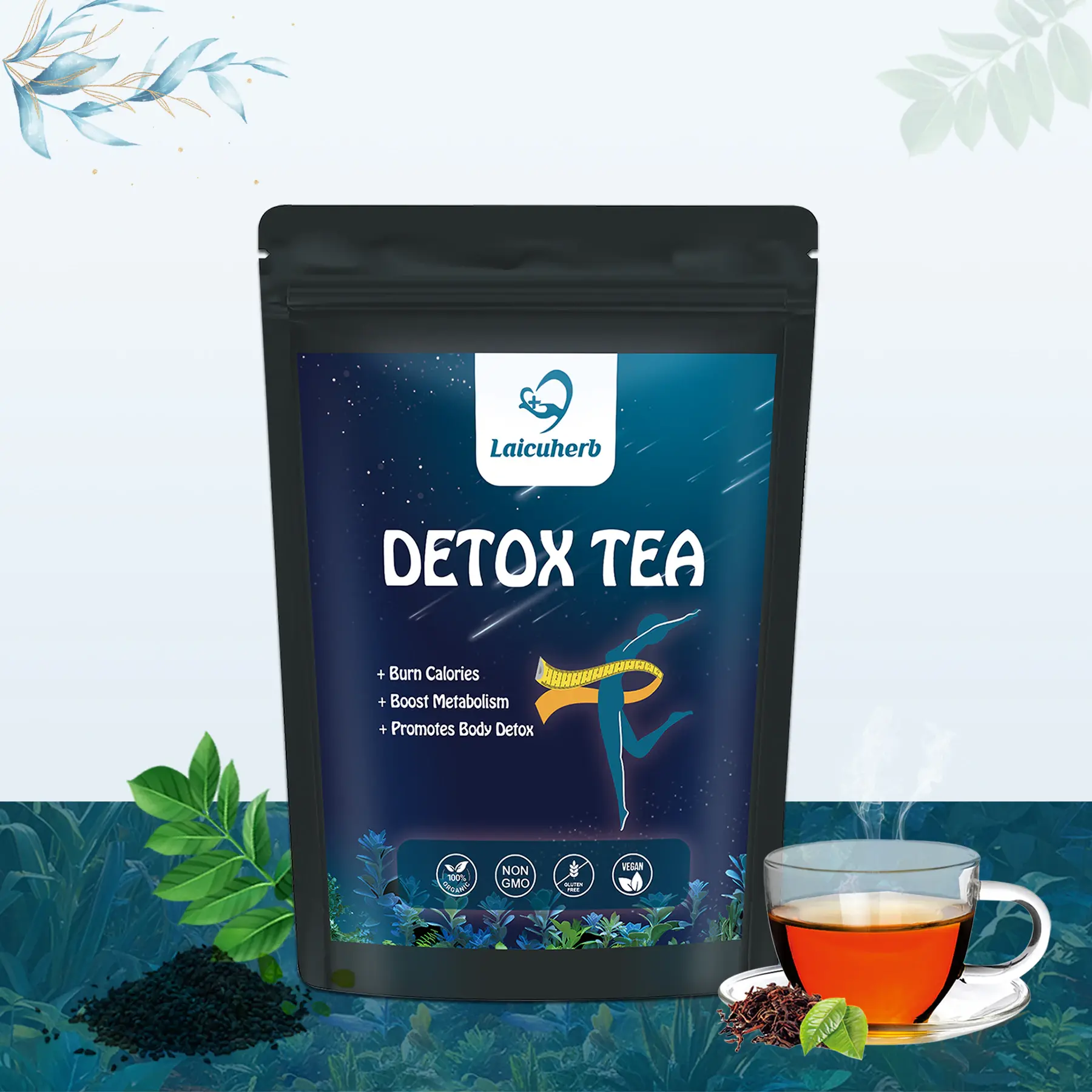
If you are interested in trying a responsibly sourced herbal tea blend, Laicuherb offers a premium formula. Contact at hello@laicuherb.com.
References
Hursel, R., & Westerterp-Plantenga, M. S. (2013). Catechin- and caffeine-rich teas for control of body weight in humans. American Journal of Clinical Nutrition, 98(6), 1682S-1693S.
Ono, Y., Yamada, K., & Hara, Y. (2006). Effects of lotus leaf extract on lipid metabolism in mice. Journal of Nutritional Science and Vitaminology, 52(5), 354-360.
Stohs, S. J., & Hartman, M. J. (2015). Review of the safety and efficacy of Moringa oleifera. Phytotherapy Research, 29(6), 796-804.
Asai, A., & Nakagawa, K. (2013). Mulberry leaf extract improves postprandial glucose response in healthy adults. Journal of Medicinal Food, 16(8), 751-756.
Zhang, L., & Wang, Y. (2018). Cassia seed: A review of its traditional uses, phytochemistry and pharmacology. Journal of Ethnopharmacology, 226, 1-15.
About the Author

Laicuherb
The core content team at Laicuherb is a collective of experts, including health professionals, consultants in Traditional Chinese Medicine, and experienced content strategists. Some articles are authored by our brand's founders or R&D scientists. Laicuherb team has deep expertise in herbal health, integrating the wisdom of traditional medicine, modern nutrition, and women's health research to transform ancient wellness principles into practical, accessible content for everyday life.
© 2026 Laicuherb. Your State Your Tea.