How Does healthy tea Support Digestive Health?






Healthy Tea, positioned as a natural digestive dietary supplement, offers a gentle yet effective approach to gut wellness. These teas typically contain herbs renowned for promoting gastric motility, such as peppermint, ginger, and chamomile. These ingredients work synergistically to soothe stomach upset, reduce inflammation, and promote proper gastric function. Regular consumption of Healthy Tea helps alleviate common stomach issues like bloating, heartburn, and intermittent stomach pain. Furthermore, it encourages the growth of beneficial gut bacteria, thereby improving stomach health.
1. Five Plants Beneficial for Digestive Health
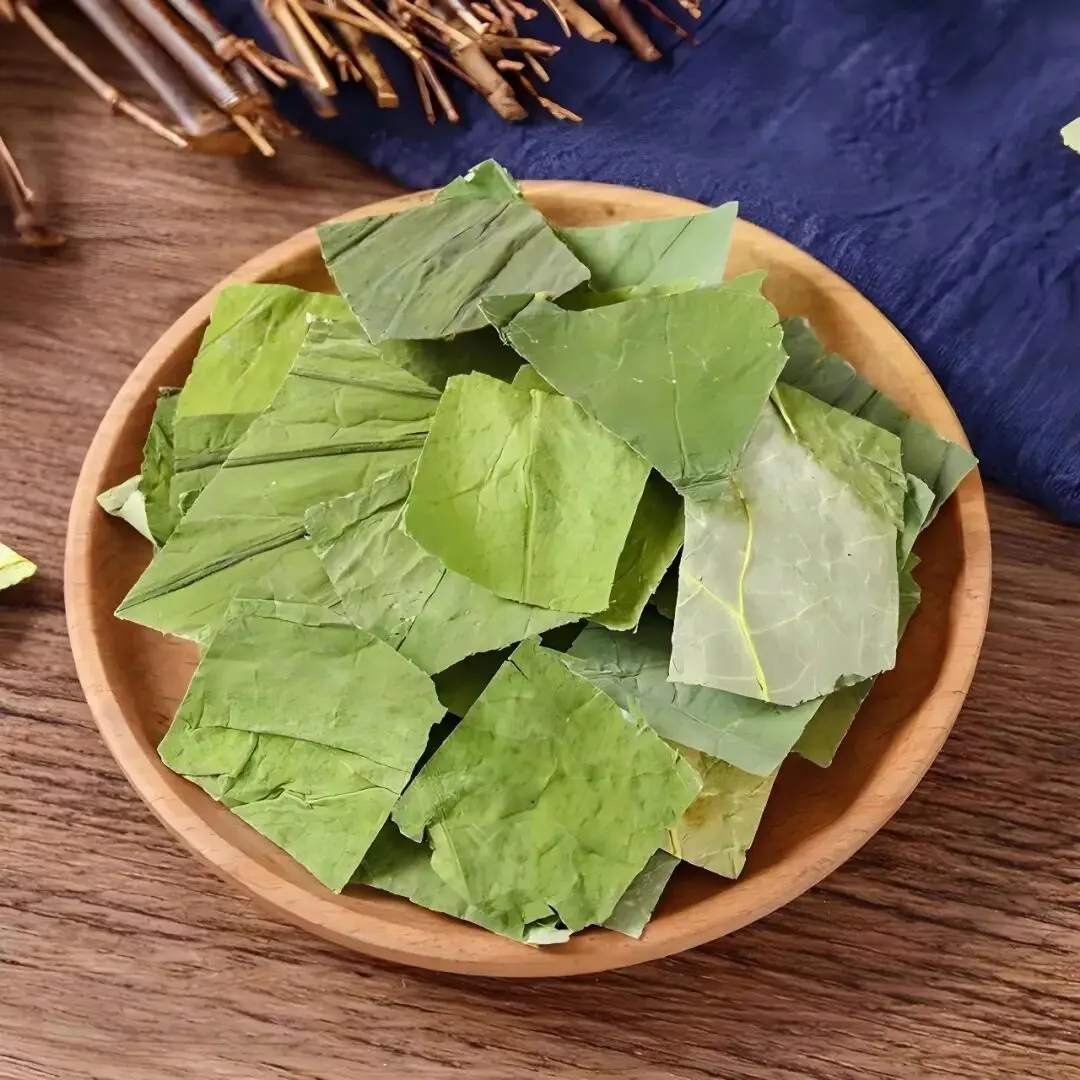
1. Lotus Leaf (荷叶)
Lotus leaf tea is renowned for its digestive benefits. It is rich in flavonoids and alkaloids that help improve digestive function and promote a healthy metabolism. Lotus leaf tea is particularly beneficial for those looking to manage weight and boost digestive health.
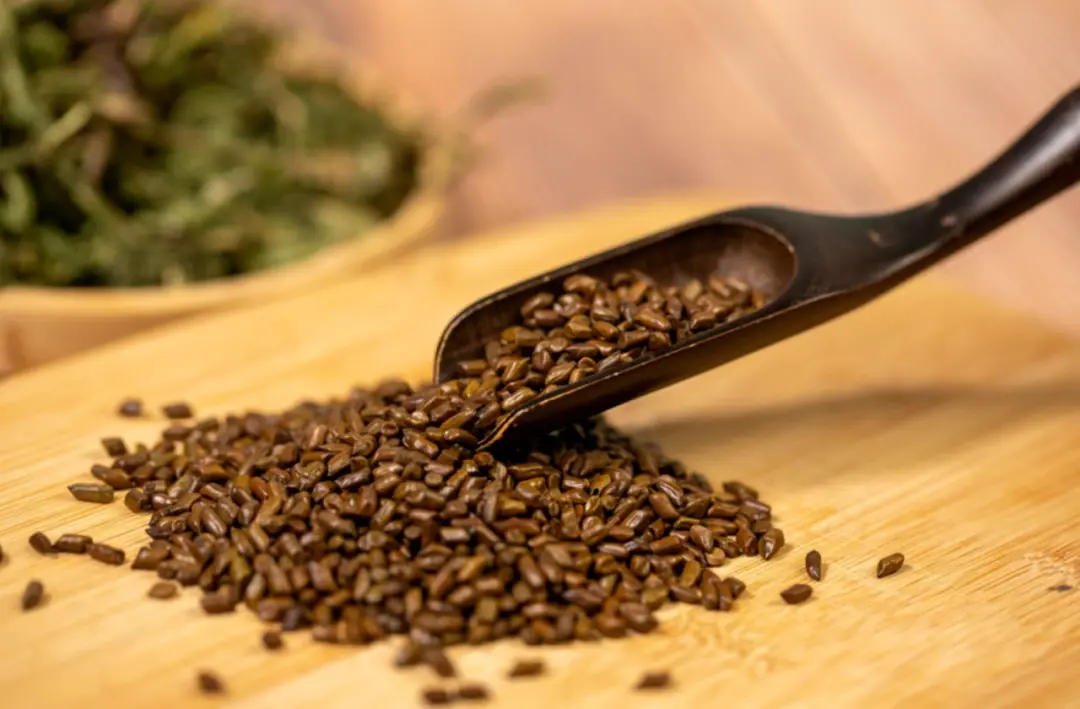
2. Cassia Seed (决明子)
Cassia seed is known for its gentle laxative properties, which help relieve constipation and promote regular bowel movements.
3. Moringa Seed (辣木籽)
Moringa seed tea is packed with nutrients and antioxidants. It helps reduce intestinal inflammation and promotes the body's natural detoxification processes, thereby supporting digestion.

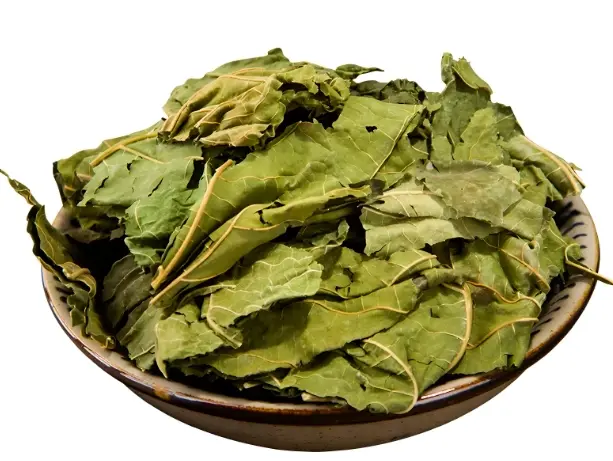
4. Mulberry Leaf (桑叶)
Mulberry leaf contains compounds that help regulate blood sugar levels, which is crucial for maintaining a healthy digestive system. It also offers a mild diuretic effect, aiding in the excretion of bodily toxins.
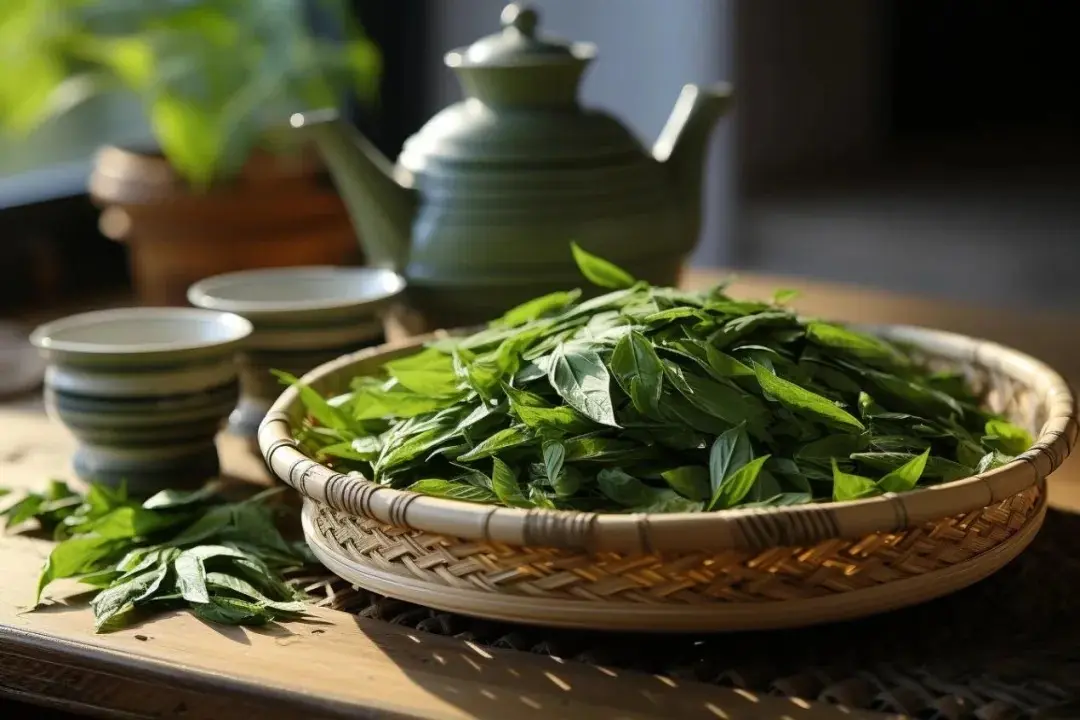
5. Green Tea (绿茶)
Green tea is a staple in many herbal blends, rich in catechins and polyphenols. These compounds have been shown to promote the growth of beneficial bacteria and reduce inflammation in the digestive tract, improving overall gut health.
2. How Healthy Tea Aids Detox and Digestion
Natural Cleansing Properties
The active compounds in Healthy Tea can help reinforce the liver, the body's primary detoxification organ. By supporting liver function, these teas aid in the effective excretion of toxins, promoting overall digestive health.
Enhanced Nutrient Absorption
Healthy Tea can boost the body's ability to absorb nutrients. For example, catechins in green tea have been shown to promote the uptake of plant-derived nutrients. This improved absorption is vital for overall gastrointestinal function.
Soothing Digestive Discomfort
Healthy Tea helps relieve gas and bloating. Ingredients like peppermint and ginger, commonly found in soothing blends, have a calming effect on the gastrointestinal tract, alleviating discomfort and promoting normal bowel movements.
The combination of detoxifying and digestive properties makes Healthy Tea an excellent choice for those looking to naturally improve gut health.
3. The Bottom Line: Your Holistic Wellness Partner
While these teas offer numerous benefits, they are most effective when consumed as part of a holistic wellness plan, combined with a balanced diet, regular exercise, and adequate hydration.
Whether you seek relief from occasional digestive discomfort, want to promote regularity, or simply wish to enhance overall gut health, there is a tea blend for your needs. Laicuherb, with its century-long heritage, is dedicated to blending Eastern wisdom with modern innovation to offer a range of herbal wellness teas designed to support your digestive health journey. We carefully formulate our teas, selecting pure, natural ingredients like Lotus Leaf, Cassia Seed, Moringa Seed, Mulberry Leaf, and Green Tea, nurturing your digestive system in a holistic way—a perfect fit for health-conscious individuals aged 18-35.
If you have any other questions, please contact us:
Let us embark on a journey of natural and healthy digestion together.
4. References
- Pittler, M. H., & Ernst, E. (2000). Peppermint oil for irritable bowel syndrome: a critical review and meta-analysis. The American Journal of Gastroenterology, 95(9), 1152-1155. (Discusses the antispasmodic effects of mint compounds on the gut.)
- Maki, K. C., et al. (2009). Green tea catechin consumption enhances fat oxidation during moderate-intensity exercise and improves markers of cardiovascular disease risk. The American Journal of Clinical Nutrition, 89(6), 1735-1744. (Relates catechins to metabolism and absorption.)
- Du, H., et al. (2010). Effects of lotus leaf extract on rat lipolysis and adipogenesis. Journal of Agricultural and Food Chemistry, 58(8), 4880-4887. (Examines metabolic regulation properties of Lotus Leaf.)
- Anwar, F., et al. (2007). Moringa oleifera: a food plant with multiple medicinal uses. Phytotherapy Research: An International Journal Devoted to Pharmacological and Toxicological Evaluation of Natural Product Derivatives, 21(1), 17-25. (Covers the anti-inflammatory and antioxidant properties relevant to gut health in Moringa.)
- Chen, J., et al. (2020). Mulberry leaf extract improves metabolic syndrome and induces brown adipose tissue formation in high-fat diet-fed mice. Journal of Nutritional Biochemistry, 75, 108252. (Discusses the role of Mulberry Leaf in metabolic and blood sugar regulation important for digestion.)
- Wang, Y., et al. (2019). Pharmacological activities of Semen Cassiae: A review. Chinese Medicine, 14(1), 1-13. (Details the gentle laxative effects and digestive aid properties of Cassia Seed.)
About the Author

Laicuherb
The core content team at Laicuherb is a collective of experts, including health professionals, consultants in Traditional Chinese Medicine, and experienced content strategists. Some articles are authored by our brand's founders or R&D scientists. OLaicuherbur team has deep expertise in herbal health, integrating the wisdom of traditional medicine, modern nutrition, and women's health research to transform ancient wellness principles into practical, accessible content for everyday life.