Can Sea Buckthorn Oil Really Alleviate Eczema?






If you have eczema, you might have itchy, red spots. Many people feel this way, and creams may not work for everyone. So when a natural ingredient like sea buckthorn oil starts creating buzz, it's natural to feel both hopeful and skeptical. Within sea buckthorn skincare, many people point to notable sea buckthorn benefits, but it still pays to test cautiously and set realistic expectations.
Unlike many fleeting trends, this vibrant oil is gaining a reputation as a credible natural remedy for eczema, backed by traditional use and emerging science. Its unique profile, rich in rare fatty acids and antioxidants, helps it stand apart by offering a different approach to calming distressed skin and highlighting the benefits of sea buckthorn oil for skin.
This guide offers a balanced look at using sea buckthorn oil for eczema, covering the research, effective usage, and realistic results to help you make an informed choice for your skin as you explore eczema natural remedies alongside conventional care.
What Makes Sea Buckthorn Oil a Soothing Powerhouse?
To understand how sea buckthorn oil helps, let's look at two challenges for sensitive skin: inflammation and a damaged skin barrier. The chronic redness of atopic dermatitis is like your skin's fire alarm being stuck on. Evidence suggests sea buckthorn oil acts as a technician, containing compounds that help calm that overactive alarm system, which is why many users report a visible reduction in redness. These are among the core benefits of sea buckthorn oil for skin when used thoughtfully.
Calming the surface is only half the story. Healthy skin has a protective shield like a brick wall, where skin cells are "bricks" and natural fats are the "mortar." When this mortar weakens, cracks let moisture escape and irritants in. Sea buckthorn oil helps repair the skin barrier by delivering essential fatty acids needed to patch up that mortar, locking in hydration and keeping triggers out.
The oil provides a powerful one-two punch: it quiets immediate irritation while rebuilding your skin's fundamental defenses. The secret lies in a special "repair crew" of nutrients found within the oil.
The Rare Omega-7 That Sets Sea Buckthorn Apart
Who leads this special repair crew? A rare fatty acid called Omega-7, or Palmitoleic Acid. While you may know Omega-3s and Omega-6s, Omega-7 is much harder to find in nature. This nutrient is a key reason sea buckthorn oil has gained a loyal following for calming troubled skin; it's a component most other popular oils can't offer.

Omega-7's job is directly linked to the "mortar" holding your skin's brick wall together, as it's a building block of your skin's natural fats. When skin is chronically dry or compromised by eczema, this protective barrier is often depleted. The benefits of sea buckthorn oil's Omega-7 come from its ability to supply this crucial material, helping to patch the cracks, reduce moisture loss, and calm inflammation by restoring the skin's own defenses.
This is what makes sea buckthorn oil fundamentally different from a simple moisturizer. While oils like coconut or olive can provide temporary relief, sea buckthorn oil delivers the specific tools your skin needs to rebuild itself. However, not all sea buckthorn oil is created equal, and choosing sea buckthorn oil for eczema thoughtfully can improve your experience.
Seed Oil vs. Berry Oil: Which One is Right for Your Sensitive Skin?
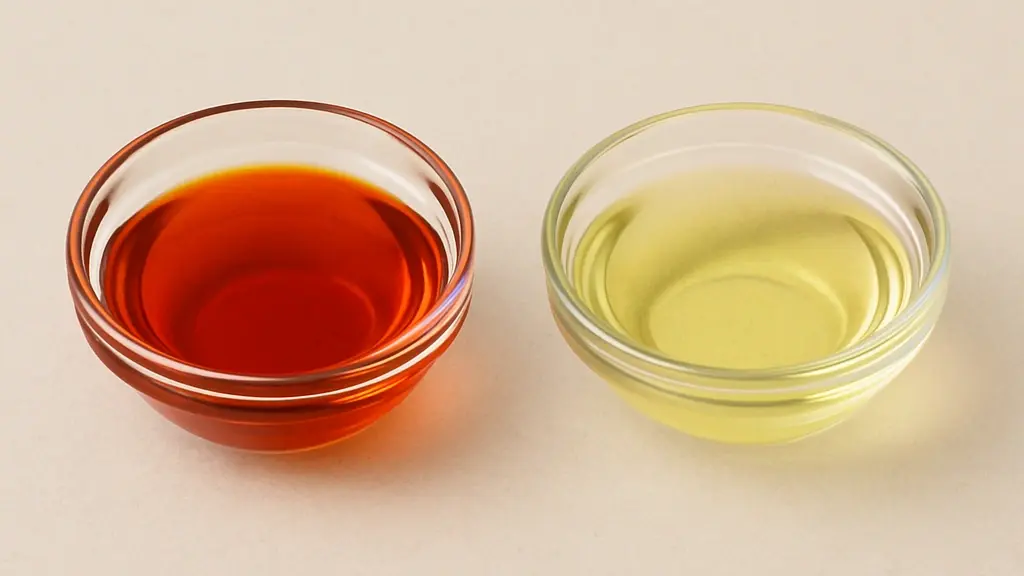
When shopping for sea buckthorn oil, you'll notice two products: a deep, reddish-orange berry oil and a lighter, pale yellow seed oil. While from the same plant, they have different jobs, and choosing the right one is crucial for sensitive skin. Think of them as specialists with different skills.
The vibrant, reddish-orange oil is pressed from the berry's fleshy pulp. This is where you'll find the highest concentration of the rare Omega-7 "repair crew." Berry oil is the anti-inflammatory powerhouse, rich in carotenoids (which give it its color) that act as antioxidants. This makes it the go-to choice for actively calming redness and helping rebuild a compromised skin barrier.
The seed oil is a lighter, more traditional moisturizer. Pressed from the tiny seeds, it has a balanced profile of Omega-3 and Omega-6 fatty acids. While excellent for general hydration, it lacks the high-impact, barrier-repairing concentration of Omega-7 found in the berry pulp.
When comparing sea buckthorn seed oil vs. berry oil for eczema-prone skin, the verdict is clear. For targeted relief and barrier repair, the berry oil is your specialist. While seed oil is a good hydrator, berry oil brings the unique therapeutic benefits that sensitive skin craves as part of thoughtful sea buckthorn oil skin care.
What Do the Studies Say?
A common question is, "Can sea buckthorn oil really alleviate eczema and skin sensitivity?" While a long history of traditional use is encouraging, what does modern science say? The honest answer is that the evidence for sea buckthorn oil helping eczema is promising but still in its early stages.
Most current support comes from smaller studies on atopic dermatitis. In these trials, participants often saw real improvements: better skin hydration, reduced redness and inflammation, and less itching. These results create scientific buzz, suggesting the oil's unique compounds are genuinely at work.
It's important to see this evidence for what it is: a hopeful start, not a final guarantee. We don't yet have the large-scale clinical trials needed to call sea buckthorn oil an official "treatment." Instead, it's best viewed as a powerful, natural tool to help manage symptoms and support your skin's health.
How to Safely Use Sea Buckthorn Oil on Eczema
Ready to see if sea buckthorn oil can help? Because this vibrant oil is so concentrated, a careful approach is key to getting soothing results without causing irritation.
To harness its benefits safely, follow this three-step method:
- The Crucial Patch Test. Before applying it widely, test a small amount on a hidden patch of skin, like your inner elbow. Wait a full 24 hours to see how your skin reacts. This is a non-negotiable first step for anyone with eczema or sensitivity.
- Dilute, Don't Apply Pure. Sea buckthorn oil's rich color can stain skin and fabric, and its pure form can be too intense for reactive skin. Always mix just 1-2 drops into a dollop of your favorite gentle moisturizer or a carrier oil like jojoba or squalane.
- Apply to Damp Skin. For the best results, apply your oil mixture right after cleansing while your skin is still slightly damp. This technique helps lock in moisture, leaving your skin feeling hydrated and soft, not greasy.
As you experiment, consider introducing it within a simple sea buckthorn oil skin care routine---used sparingly, consistently, and alongside other gentle products your skin already tolerates well.
Buyer's Guide: 3 Things to Look for on the Label of a Quality Oil
Not all sea buckthorn skincare is created equal. To get the potent, soothing benefits your sensitive skin needs, a quick scan of the label can tell you everything.
When you're ready to buy, look for these three clear signs of a high-quality oil:
- Extraction Method: "Cold-Pressed" or "CO2 Extracted." These gentle methods extract the oil without high heat, preserving all the delicate, skin-calming nutrients.
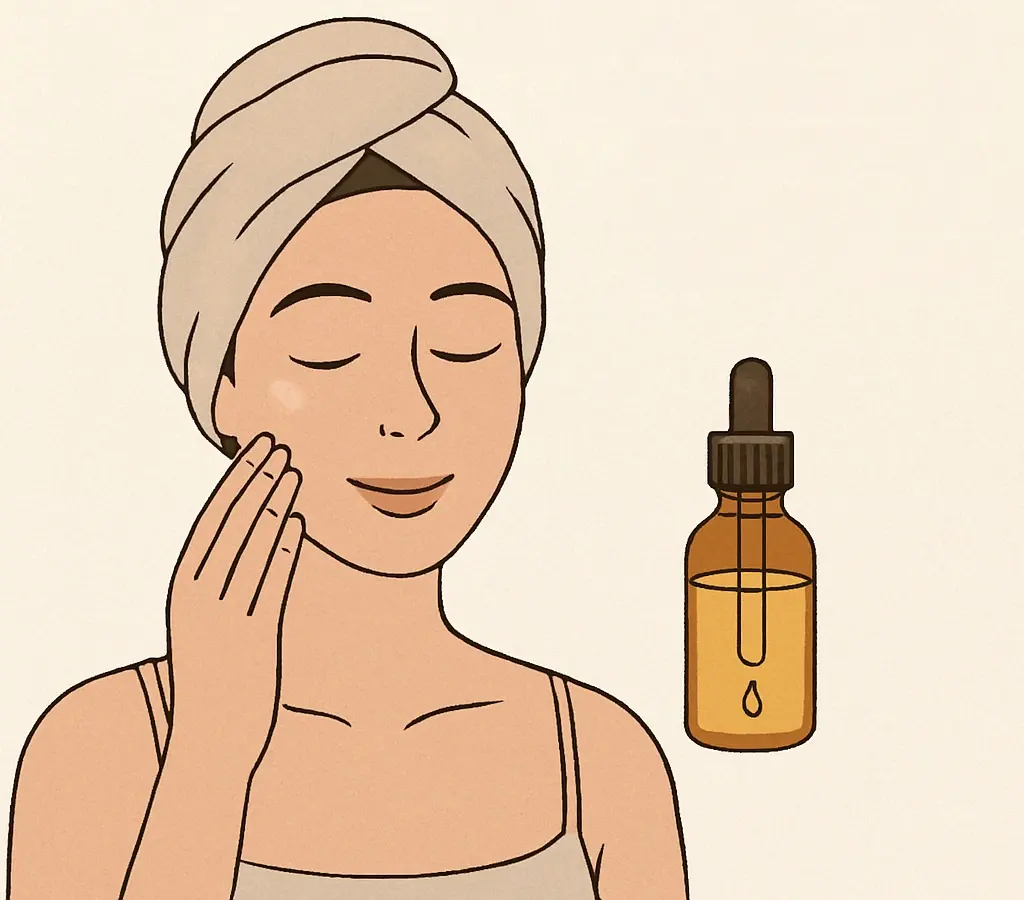
- Vibrant Color: A deep reddish-orange. In sea buckthorn berry oil, this fiery color is a visible sign that the oil is packed with antioxidants that help protect and soothe your skin.
- Protective Packaging: A dark glass bottle. A dark or opaque bottle prevents sunlight and heat from breaking down the oil and reducing its effectiveness.
If you prefer a tidier, on-the-go option, some brands also offer a sea buckthorn oil antibacterial gel; however, for eczema and sensitive skin, patch testing and dilution with a moisturizer remain wise first steps.
Are There Side Effects? The Truth About Staining and Skin Reactions
Given its fiery orange hue, the most common question is: will it stain my skin? Yes, it can, but the effect is temporary. This harmless tint comes from carotenoids---the same antioxidants that give carrots their color---and typically washes off easily.
Preventing staining is simple. The best way to use sea buckthorn oil for skin sensitivity is to dilute it. Just mix one or two drops into your moisturizer or a gentle carrier oil (like jojoba or squalane) before applying. This solves the color issue and delivers the oil's benefits more gently.
Of course, the most important side effect to watch for is a personal reaction. That's why a patch test is non-negotiable. Before using it widely, apply a small, diluted amount to your inner arm and wait 24 hours to ensure your skin is happy with the new addition.
Is Sea Buckthorn Oil Worth a Try?
Sea buckthorn oil isn't a magic cure for eczema, but it is a science-backed tool. It works by calming the "fire alarm" of inflammation and helping repair your skin's protective barrier, putting you in control of your search for effective natural remedies.
This is about adding a promising, gentle ingredient to your skincare toolkit. Your next step is a simple, low-risk experiment: find a quality, cold-pressed berry oil, perform a patch test, and see for yourself. As you evaluate sea buckthorn benefits, consider how the benefits of sea buckthorn oil for skin fit into your own routine. The potential for calmer, more resilient skin is now yours to explore safely with sea buckthorn oil for eczema and other eczema natural remedies.
Q&A
Question: Can sea buckthorn oil really help with eczema?
Short answer: The evidence is promising but still early. Small studies in atopic dermatitis report better hydration, less redness and inflammation, and reduced itch, likely because sea buckthorn oil calms inflammation and supports the skin barrier. It's not a cure or an official treatment, but it can be a useful natural tool to help manage symptoms alongside your regular eczema care.
Question: What makes sea buckthorn oil different from other oils for sensitive, eczema-prone skin?
Short answer: Its standout is omega-7 (palmitoleic acid), a rare fatty acid that helps rebuild the "mortar" of the skin barrier while also calming irritation. This gives sea buckthorn oil a twofold effect---soothing inflammation and reinforcing barrier function---whereas many common oils mainly provide temporary moisture.
Question: Should I choose sea buckthorn berry oil or seed oil for eczema?
Short answer: Go with berry oil. The deep reddish-orange berry oil is richer in omega-7 and carotenoid antioxidants, making it more effective for calming redness and helping repair a compromised barrier. Seed oil is a good general hydrator with omega-3 and omega-6, but it lacks the high omega-7 concentration that gives berry oil its targeted, barrier-repairing edge.
Question: How do I use sea buckthorn oil safely on eczema-prone skin?
Short answer: Follow three steps: (1) Patch test first on a small area (like the inner elbow) and wait 24 hours. (2) Always dilute---mix 1--2 drops into a gentle moisturizer or carrier oil such as jojoba or squalane; pure oil can be too strong and may stain. (3) Apply the mixture to slightly damp skin right after cleansing to lock in moisture. Introduce it slowly and keep the rest of your routine simple and well-tolerated.
Question: Are there side effects or drawbacks I should know about?
Short answer: The most common issue is temporary orange staining from carotenoids; dilution largely prevents this, and any tint washes off. As with any new product, irritation is possible---hence the non-negotiable patch test. Choosing a quality oil (cold-pressed or CO2 extracted, vibrant deep orange for berry oil, in a dark glass bottle) helps preserve its soothing nutrients and reduce the chance of degraded, irritating product.
Summary
Sea buckthorn oil may help alleviate eczema by calming inflammation and strengthening the skin barrier, largely due to its unique omega-7 (palmitoleic acid) and antioxidant-rich profile. Evidence from small studies is encouraging—showing improvements in hydration, redness, itch, and irritation—but large clinical trials are still lacking, so view it as supportive care rather than a cure. For targeted relief, berry oil is preferred over seed oil; use it safely by patch testing, diluting 1–2 drops in a gentle moisturizer or carrier oil, and applying to damp skin. Choose cold-pressed or CO2-extracted oils in dark glass bottles, and be aware that temporary orange staining is the most common side effect.
About the Author

Laicuherb
The core content team at Laicuherb is a collective of experts, including health professionals, consultants in Traditional Chinese Medicine, and experienced content strategists. Some articles are authored by our brand's founders or R&D scientists. Laicuherb team has deep expertise in herbal health, integrating the wisdom of traditional medicine, modern nutrition, and women's health research to transform ancient wellness principles into practical, accessible content for everyday life.
© 2026 Laicuherb. Your State Your Tea.