Why Does My Poop Stick to the Toilet? A TCM Guide to Clearing Dampness






In a nutshell:
- Sticky poop that clings to the toilet bowl is a classic sign of excess Dampness in Traditional Chinese Medicine (TCM).
- Other common symptoms include swollen limbs (especially ankles or eyelids), fatigue, heavy head, thick or greasy tongue coating, poor digestion, and joint pain.
- The main cause is weak spleen function (inability to transform fluids), often worsened by greasy or cold foods or a humid environment.
- TCM solutions include ginger tea, dietary changes, acupuncture, cupping, and regular exercise.
Quick Navigation
1. One Embarrassing Sign You Shouldn’t Ignore
You finish using the bathroom. You flush.
But something stays behind.
Your poop sticks to the toilet bowl, sometimes requiring multiple flushes or even a brush.
If this sounds familiar, you are not alone. In Traditional Chinese Medicine (TCM), this is not just a plumbing problem. It is a potential signal that your body has too much Dampness.
2. What Is “Dampness” in TCM? (A Simple Explanation)
The concept of Dampness comes from the ancient Chinese medical text Huangdi Neijing (Yellow Emperor’s Inner Canon).
In TCM, Dampness is one of the Six Excesses (Wind, Cold, Heat, Dampness, Dryness, Summer heat) — external or internal factors that disrupt your body’s balance.
Think of it like this: when your body cannot properly process and move fluids, they accumulate like a sponge that never dries out. That is Dampness.
Most often, Dampness is caused by poor spleen function. In TCM, the spleen is responsible for transforming food and fluids into energy. When the spleen is weak, fluids stagnate and turn into Dampness.
3. 7 Signs Your Body Has Too Much Dampness (Check Yourself)
Sticky poop
It clings to the toilet bowl, is hard to flush, and you may feel incomplete after a bowel movement.
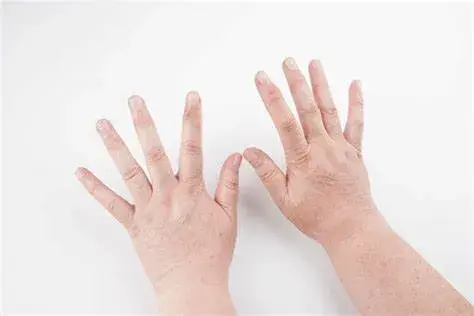
Swelling in limbs
You notice puffy ankles, legs, or eyelids, especially worse in the morning.
Indigestion
You experience poor appetite, bloating, nausea, or a heavy feeling in the abdomen.
Fatigue and weakness
Your body feels heavy, particularly in the morning, as if you are wading through mud.
Heavy head
You feel dizziness, brain fog, or drowsiness, similar to wearing a wet hat.
Thick tongue coating
The coating appears white or yellow with a greasy or slimy texture, and the tongue may look swollen.
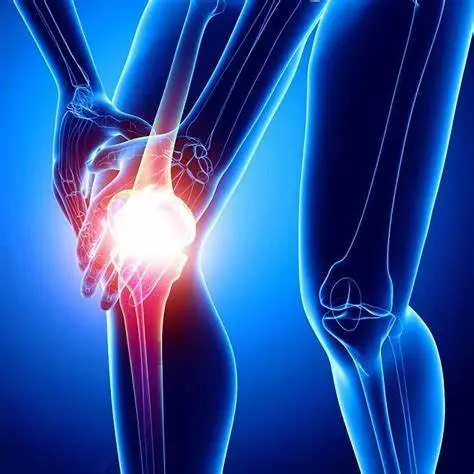
Joint pain
You have aching, stiffness, or swelling that worsens in humid or rainy weather.
Quick self-check: Do you have at least three of these symptoms regularly? If yes, Dampness is likely affecting you.
4. What Causes Excessive Dampness?
TCM identifies three main causes.
Diet (most common)
- Too many greasy, fried, or sugary foods.
- Cold or raw foods such as ice drinks, salads, sushi, and dairy.
- Excessive alcohol.
Environment
- Living or working in a humid, rainy, or damp climate.
- Poor ventilation or basement apartments.
Weak spleen function
- Genetic predisposition.
- Overthinking or chronic stress, which weakens the spleen in TCM.
- Irregular eating habits.
When the spleen fails to dry and transport fluids, Dampness accumulates — first in the digestive tract (resulting in sticky poop), then in the limbs, head, and joints.
5. How to Get Rid of Excess Dampness (TCM Toolkit)
You do not need to become a TCM practitioner. Small, consistent changes work best.
A. Herbal and Food Remedies (Easiest to Start)
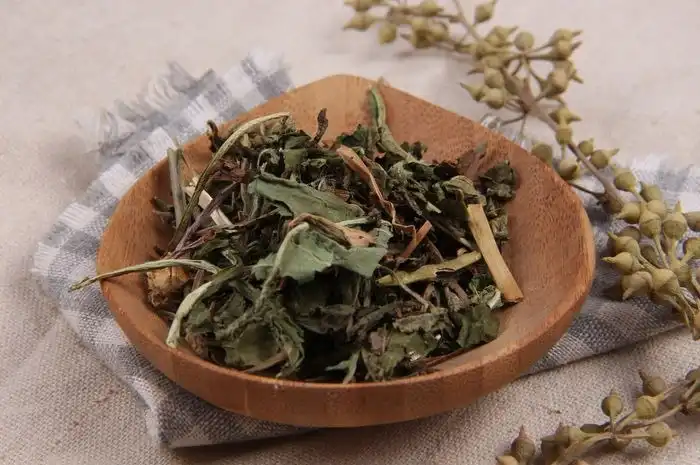
- Ginger tea warms the spleen and dries dampness.
- Green tea acts as a light diuretic and clears heat-dampness.
- Dandelion herb clears dampness and supports digestion.
- Lotus seed strengthens the spleen and stops dampness.
- Mung bean soup removes damp-heat and reduces swelling.
Foods to avoid: dairy, iced drinks, fried food, refined sugar, bananas (in excess), and peanuts (heavy in dampness).
B. Dietary Principles (Do This Daily)
- Eat warm, cooked meals such as soups, congee, and stews.
- Add drying spices like garlic, onion, black pepper, and turmeric.
- Eat smaller, regular meals to avoid overloading the spleen.
- Reduce portion sizes of meat and dairy.
C. Acupuncture and Acupressure
Acupuncture can regulate the spleen and stomach meridians, reducing Dampness accumulation.
An easy acupressure point you can try at home is ST36 (Zusanli). It is located four finger-widths below your kneecap and one finger-width to the outside of your shin bone. Press for two minutes daily.

D. Cupping Therapy
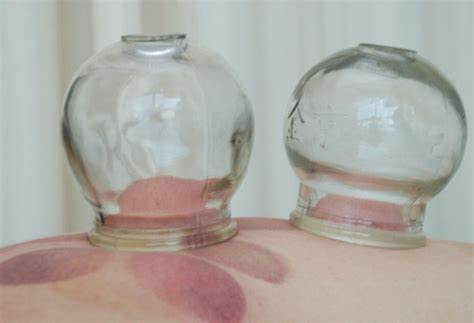
Cupping uses heated cups to create suction on the skin. It helps pull stagnant Dampness out of muscle tissue, improve blood and Qi circulation, and relieve heavy limbs and joint pain. Cupping is best done by a trained TCM practitioner. You may see circular marks afterward, which is normal and temporary.
E. Exercise (Non-Negotiable)
Dampness loves stagnation. Movement hates Dampness.
- Brisk walking for 30 minutes daily is highly effective.
- Sweating exercises such as light jogging, hiking, or dancing also help.
- Avoid swimming in cold water, as it adds Dampness.
Exercise improves spleen Qi and literally dries Dampness through sweat and breath.
6. A 7-Day Quick Action Plan for Sticky Poop and Dampness
Day 1–2: Replace cold drinks with warm ginger tea after meals.
Day 3–4: Eat congee (rice porridge) with garlic and greens for breakfast.
Day 5–6: Add 10 minutes of acupressure at ST36 in the morning and evening.
Day 7: Do 30 minutes of brisk walking until you sweat lightly.
By day 7, check your stool again. Many people notice it flushes cleanly for the first time.
7. When Should You See a TCM Practitioner?
You can try self-care for two to four weeks. However, see a professional if:
- Sticky poop continues despite diet changes.
- You have significant joint swelling or pain.
- Fatigue interferes with daily work.
- You notice a yellow or greasy tongue coating that does not go away.
A TCM practitioner can prescribe custom herbal formulas such as Shen Ling Bai Zhu San for spleen-dampness and perform acupuncture or cupping.
8. Final Takeaway
Sticky poop is not just annoying. It is your body’s early warning signal that Dampness is building up.
The good news is that you do not need drugs or expensive treatments. Warm foods, ginger tea, walking, and a few TCM tools can dry that Dampness — and your toilet bowl will thank you.
Based on principles from Huangdi Neijing and clinical TCM practice.
Disclaimer: This article is for educational purposes. If you have persistent digestive or joint symptoms, consult a qualified TCM or medical practitioner.
References
Veith, I. (Trans.). (2015). The Yellow Emperor's Classic of Internal Medicine (Huangdi Neijing). University of California Press. (Original work written circa 2nd century BCE)
Maciocia, G. (2015). The Foundations of Chinese Medicine: A Comprehensive Text (3rd ed.). Elsevier.
Flaws, B., & Sionneau, P. (2001). The Treatment of Modern Western Medical Diseases with Chinese Medicine. Blue Poppy Press.
World Health Organization. (2007). WHO International Standard Terminologies on Traditional Medicine in the Western Pacific Region. WHO Regional Office for the Western Pacific.
Liu, L., & Wang, Q. (2018). Spleen-stomach dampness theory in traditional Chinese medicine and its clinical application. Journal of Traditional Chinese Medical Sciences, 5(4), 345-350.
Zhang, Y., & Li, H. (2020). Research progress on the mechanism of acupuncture in regulating gastrointestinal function. Chinese Acupuncture & Moxibustion, 40(2), 219-223.
About the Author

Laicuherb
The core content team at Laicuherb is a collective of experts, including health professionals, consultants in Traditional Chinese Medicine, and experienced content strategists. Some articles are authored by our brand's founders or R&D scientists. Laicuherb team has deep expertise in herbal health, integrating the wisdom of traditional medicine, modern nutrition, and women's health research to transform ancient wellness principles into practical, accessible content for everyday life.
© 2026 Laicuherb. Your State Your Tea.